“I’m not sure if the universe has a plan, but it certainly has a sense of humour. I joined the Army on what would turn out to be my future wife’s birthday, long before I knew her. Then we met because of a book on string theory. If that’s not destiny having a bit of fun, I don’t know what is.”
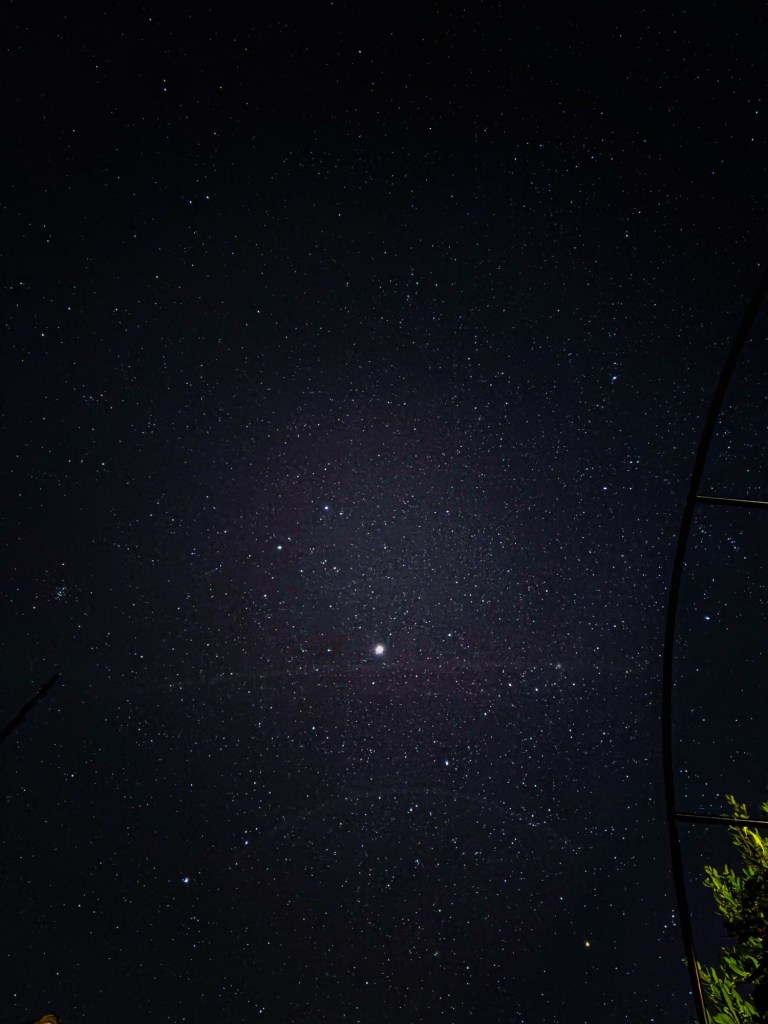
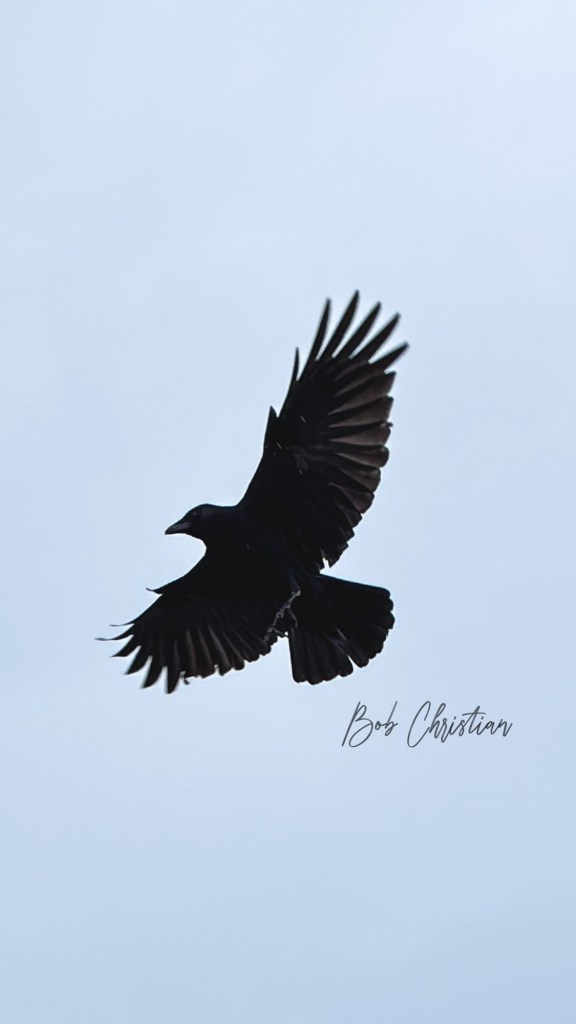
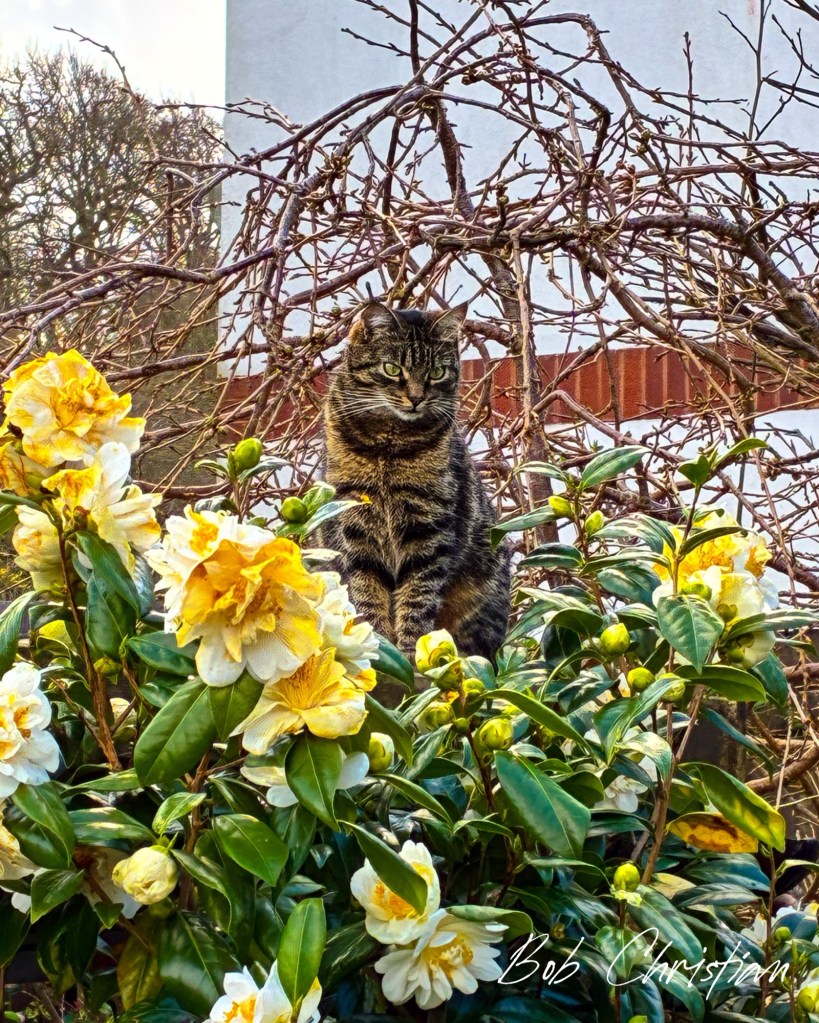
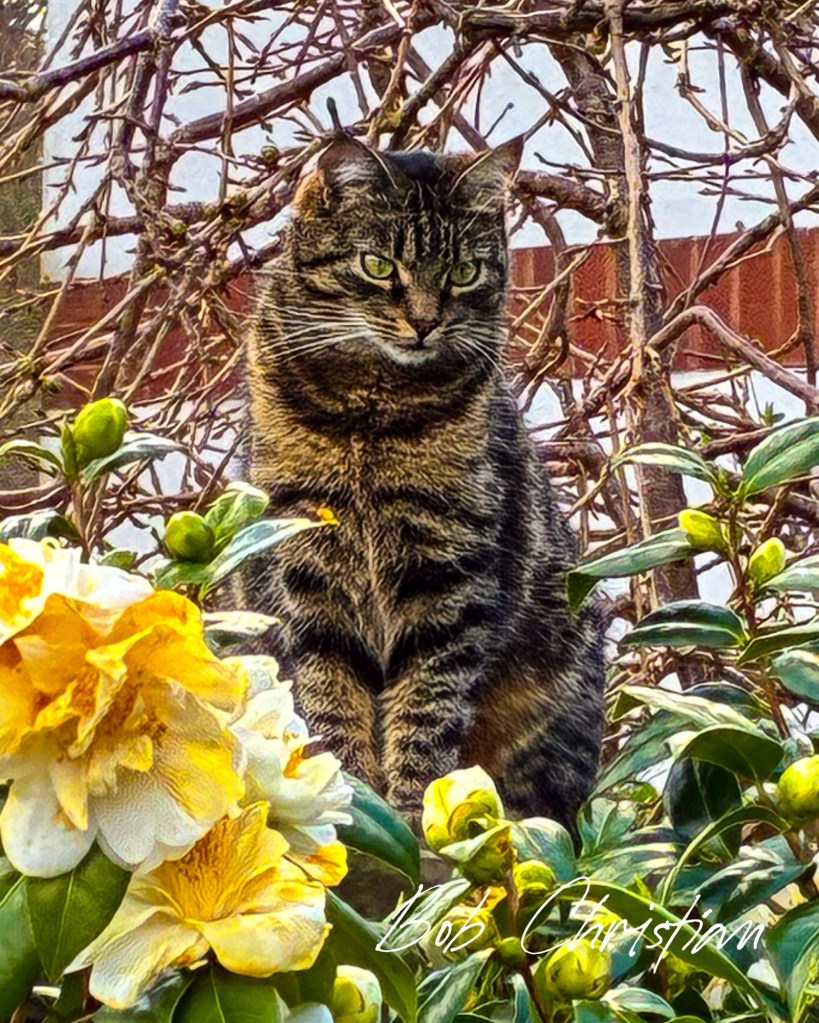
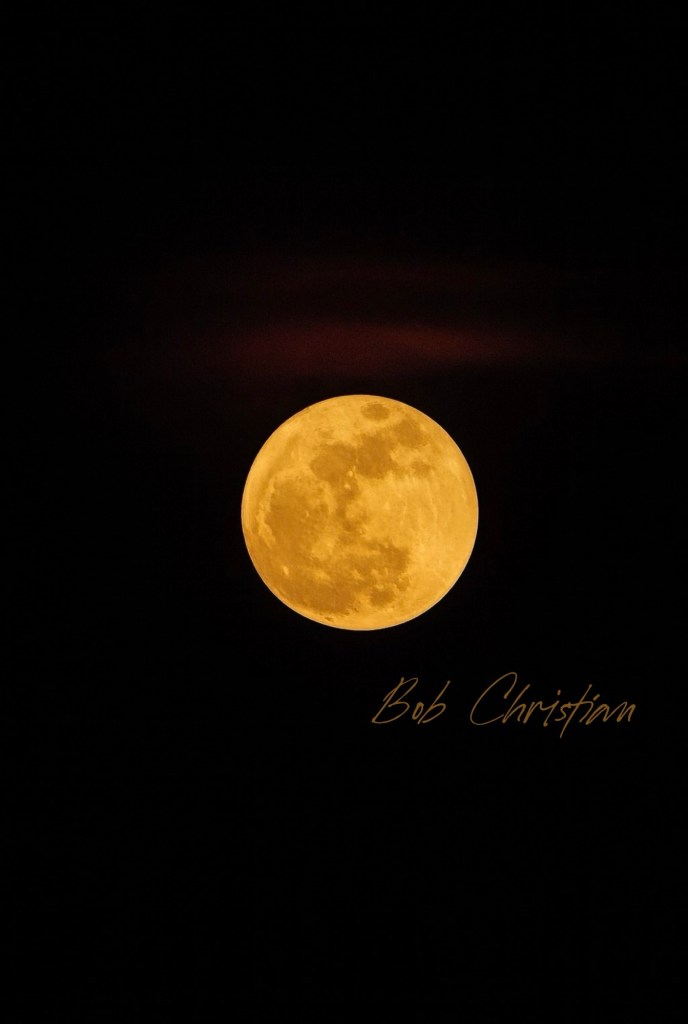
This weekend I’ve been playing with both my new daily driver (phone cam) and my trusty old Pentax K-X (12mp) I’ve bagged some cracking shots, here’s the results.
Pentax K-X Sigma 400mm telephoto Waxing gibbous Camera phone standard mode (48mp)Cam phone Phone cam (night mode x3)
Describe a phase in life that was difficult to say goodbye to.
One of the hardest things I’ve ever had to do was let go of a version of my life that looked perfect on paper.
Everything made sense. I knew my role. My relationships felt clear. My path felt mapped out. It was structured. It was safe. It was familiar. It was mine.
And that’s exactly why walking away felt so heavy.
I used to think I was grieving the season itself. But really, I was grieving my attachment to it. In Buddhist thought, we’re taught that suffering doesn’t come from change — it comes from clinging. I wasn’t in pain because life was shifting. I was in pain because I wanted it to stay.
I wanted permanence in something beautifully impermanent.
But life moves the way breath moves — in and out, rising and falling. Nothing is meant to be held forever. Not roles. Not certainty. Not even the versions of ourselves we once felt so sure about.
Growth doesn’t always arrive as expansion. Sometimes it arrives as release. Sometimes it asks you to loosen your grip before you understand why.
When I stopped resisting the transition and began to meet it with acceptance, something softened. I could see the season for what it was: not a destination, but a teacher. A chapter, not the whole story.
A seed doesn’t become a tree by staying whole. It breaks open. Not because it failed — but because it’s ready.
Letting go wasn’t weakness. It was practice. It was trust. It was choosing alignment over attachment.
That season shaped me deeply. I carry its lessons with gratitude. But it was never meant to contain me.
If you could be someone else for a day, who would you be, and why?
If I could live as someone else for a single day, I’d choose to be my wife, Mrs Bob. Not for the novelty of stepping into another life, but for the chance to understand myself through the eyes of the person who loves me most. She carries a version of me that I don’t always recognise — one shaped by patience, affection, deep love and a kind of steady belief that I sometimes struggle to feel for myself.
There are moments when I doubt; when I fall short in my own mind; when I can’t quite see what’s worth loving. Yet she does. She always does. Spending a day as her would let me witness the small things I overlook, the quiet ways I matter, the reasons she stays close even when I’m not at my best. It would be a chance to see myself without the fog of self‑critique, to understand the warmth behind her choices, and to appreciate the version of me that she holds on to.
One day in her shoes wouldn’t just teach me about her — it would teach me about the parts of myself she’s been seeing clearly all along.
Describe the most ambitious DIY project you’ve ever taken on.
What started as a simple favour for a mate quickly turned into one of those projects that becomes a story you tell for years. My friend William had just converted his garage—thanks to a bit of collective elbow grease—into a bar/lounge complete with DJ kit and the obligatory smoke machine. Naturally, the next step was a new shed to store everything that no longer fit in the garage-turned-nightclub.
The only problem? The local hardware superstore didn’t stock anything close to the size he wanted. So we shrugged, looked at each other, and decided: Fine, we’ll build one ourselves.
We hired the kit, prepped the ground, and poured a concrete base before the mountain of timber and materials arrived. There was a lot of it—far more than any of us expected—but that became part of the fun. Over two weekends we grafted, laughed, sank a few beers, and even entertained ourselves by shooting empty cans with the nail gun (not recommended, but undeniably satisfying). Each day ended with a BBQ and a bit of a party, because what’s the point of a DIY project if you can’t celebrate the chaos?
The best part? Twenty years on, that shed is still standing strong—watertight, sturdy, and now fully kitted out with running water and electricity. Not bad for a couple of weekends’ work and a group of friends who mostly just wanted an excuse to hang out.
If you could permanently ban a word from general usage, which one would it be? Why?
If I could erase a single word from everyday language, it would be one of those slurs designed solely to wound — the kind of word that has no purpose except to dehumanize. Every culture has at least one. You don’t need me to repeat it; you already know the one that makes your stomach tighten when you hear it.
What makes these words so corrosive isn’t just their history, though that history is heavy. It’s the way they linger in the air long after they’re spoken, how they can turn a room cold in an instant. A slur isn’t just a collection of letters. It’s a weapon. It’s a reminder of violence, exclusion, and the idea that some people are “less than.”
Language evolves — beautifully, creatively, chaotically — but hate‑words don’t evolve. They calcify. They drag the worst parts of our past into the present. And while banning a word won’t magically fix the systems or attitudes that created it, removing it from casual usage would at least take away one of the easiest tools for causing harm.
Imagine a world where the laziest form of cruelty simply… didn’t exist. Where people had to confront their prejudice without the shortcut of a single toxic syllable. That’s a world I’d like to help build.
Words shape reality. So if I get to ban one, I’ll choose the kind that was never meant to build anything at all.
What is the biggest challenge you will face in the next six months?
If I’m being straight with myself, the real climb isn’t the making — it’s the being seen. The words, the images, the quiet little fragments I gather… those come naturally enough. It’s the next part — holding them out to the world — that feels like standing on the edge of something high and uncertain.
The next six months are going to test me more than the work ever has. Not in the writing or the photography, but in the courage it takes to let them go. To place them in front of the people whose opinions actually matter to me, the ones who can spot the difference between something honest and something merely tidy.
I’ve been trying to catch the small stories most folks step over — the stillness in a doorway, the echo of a day that didn’t quite go to plan, the emotional dust that settles when no one’s looking. But none of it truly breathes until it’s met by another pair of eyes, another heart that recognises the shape of it.
So this season is about stepping out from behind my own hesitation. Sharing the work with intention rather than apology. Finding the rooms, the circles, the people where these pieces might actually land and not just fall.
Visibility isn’t vanity. It’s the simple, stubborn hope of connection. And connection is what I’m after — one photograph, one poem, one small act of bravery at a time.
I know things feel overwhelming right now. You’re trying so hard to make sense of a world that doesn’t always make sense back. But trust me—life gets better.
You grow into yourself in ways you can’t imagine yet. You find language for things that have felt confusing for years.
And here’s the part no one tells you: you’re autistic. You won’t learn that until much later, but when you do, everything finally clicks. It’s not a flaw. It’s not something to fix. It’s simply who you are—and it’s why you see the world the way you do.
Hang in there. You’re going to be okay. More than okay, actually.
People who are intentionally ignorant. When, I say that, I mean people who can’t/wont look things up, and would rather live in ignorance. Or they won’t listen, or change their views when presented with scientific proof that refutes their perspective.
Saying things like “Everyone’s a little autistic, or “Autism wasn’t around when I was younger”, or some such ableist nonsense. It demeans and belittles my life experience, as an autistic adult. It was around, it just wasn’t known about, or diagnosed.
When someone takes the time to either explain my poetry to me, or tries to tell me that I need to change it, as it’s clearly about them. If that were the case, believe me, they’d have no doubt.
Also under number 2 – when people try to counter your feelings of chronic or suicidal depression with such verbal antidepressants as “Cheer up” or “You just need to think happy thoughts”.
This is an interesting question, and as there’s only three of us in our household, I feel that it’s only fair (and democratic) that we each choose one of the meals.
Mine has to be a home-made (gluten free) lasagne with salad and chips (fries). I’ve always loved it, since I can remember. There’s no nostalgic reason behind it, I just love it. (Side note: it’s the one dish where you can put one on top of another, and you still only have one lasagne).
Mrs Bob. Her favourite is home made cottage pie. That’s the British kind… made with minced beef, not lamb, as that would be shepherds pie. She makes hers with a slight twist of a tomatoey type. With cabbage, carrots and runner beans.
Noodles. No question, hers is FEEEESH. Frozen white fish fillet. She has one microwaved and cooled every morning without fail. And she knows the word Fish too….