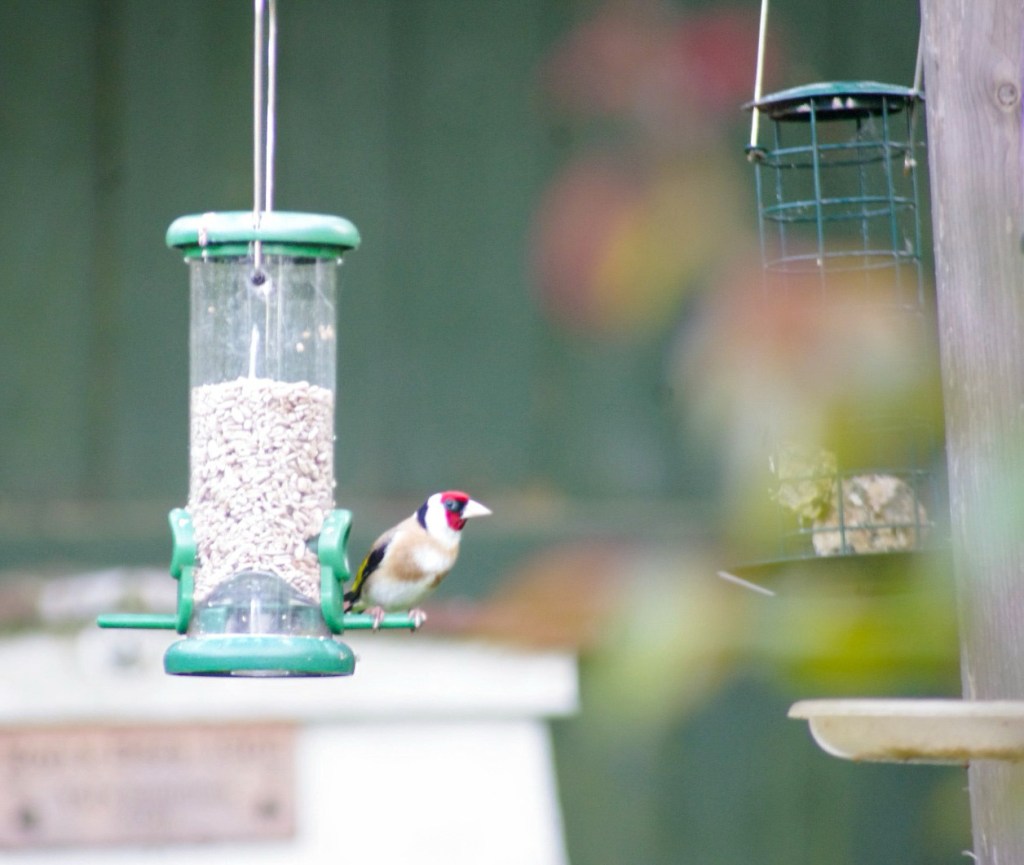
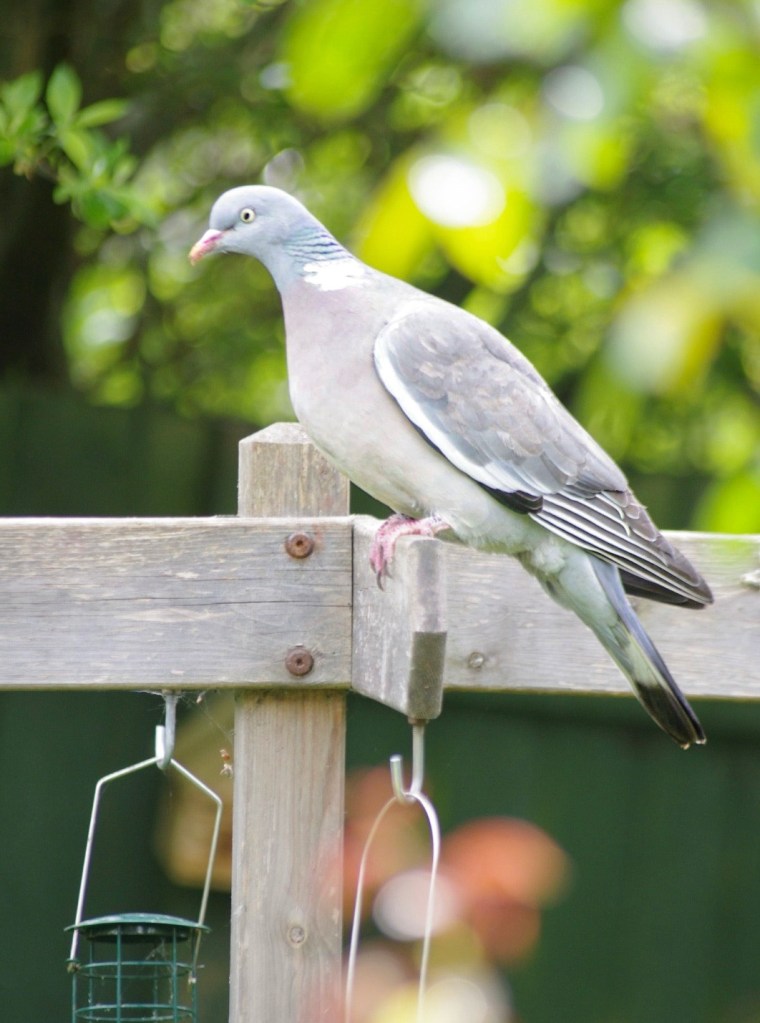
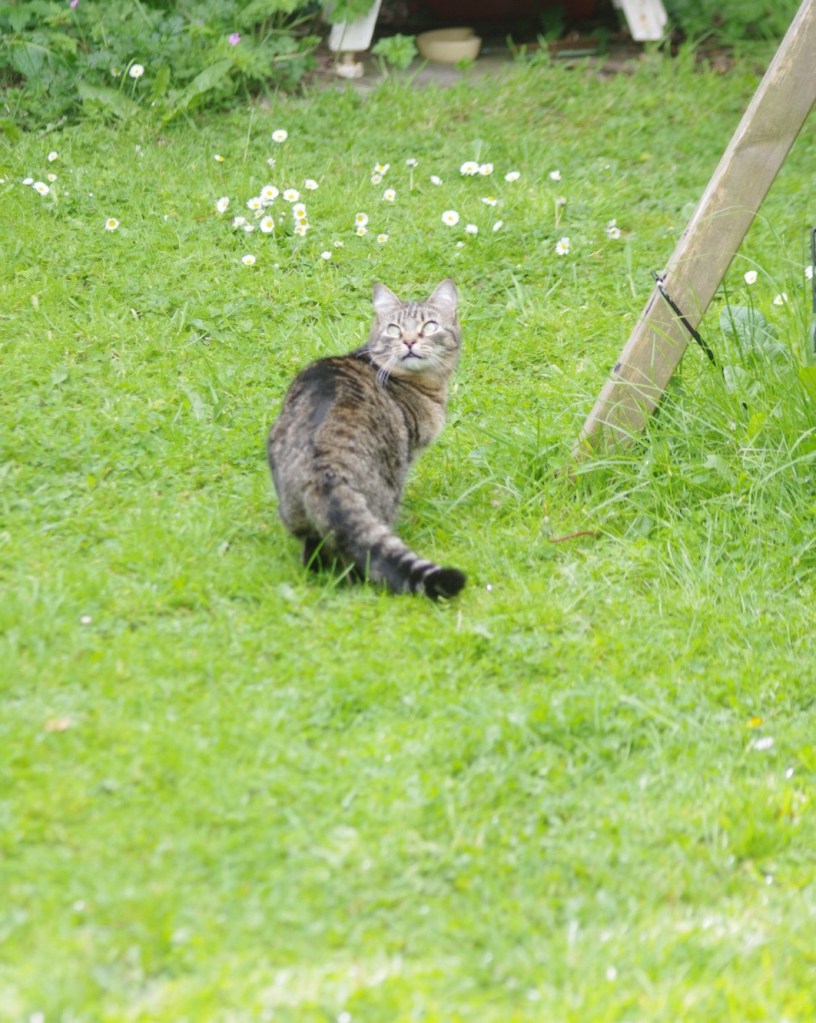
Bob W Christian has been writing poetry for more than 20 years. He started as a way to help to process his thoughts and emotions as an autistic man, and to address the impact of CPTSD. As he wrote, and slowly gained the confidence to share his poems, he was given incredibly positive feedback, which spurred him to write more. During that time, he has written six books, and had numerous guest publications in books and magazines around the world. His work has earned several accolades recently, including recognition in the Dark Poet’s Club 2025 competition. Alongside poetry, Bob enjoys photographing nature and birds, and is often praised for his keen eye behind the lens. (One of the official photographers Torbay Pride 26) A husband, father and grandfather, he regularly shares his observations, reflections and creative work through his personal blog, The Ramblings of Bob Christian.
First, I found out I’d received another accolade from the Dark Poets Club, which honestly means a great deal to me. Then, almost out of nowhere, I was offered the chance to be an official photographer for this year’s Torbay Pride event.
Photography is still very new territory for me. I’ve always just pointed the camera at things that caught my eye and hoped for the best, so stepping into something official feels both exciting and slightly overwhelming.
Still… growth rarely happens in comfort zones, does it?
Here’s to new experiences, learning curves, and seeing where the lens takes me next.
They point at the shoreline like the country is drowning in rubber boats. Like the reason your rent fills you with panic is a man crossing the sea, with wet shoes and a phone number stitched into his jacket.
Meanwhile, somewhere far from the food bank queue, a billionaire laughs into a glass of champagne on a yacht big enough to have its own postcode.
They tell us to fear the poor. Never the people pricing us out of our own lives. Never the landlords collecting houses like football stickers. Never the companies recording record profits while your gran chooses between heating and eating because both are luxuries now.
They don’t build anything. They just keep your eyes busy… Feed you someone to blame; Someone close enough to touch. Someone poorer, louder, stranger than you.
And while you’re choking on anger; While you’re tricked into mistaking hatred for power, the real thieves slip their billions quietly past, carrying our tomorrow out the back door.
Cold weather and I have always got along just fine. There’s something honest about it. The sharp air, the quietness that comes with frost, the way the world feels stripped back to its essentials. Warm weather is pleasant enough, but I’ve never really trusted heat; it makes me feel sluggish and boxed in. Cold weather feels alive.
Considering my last two holidays took me into the Arctic Circle, I think it’s safe to say I actively seek the cold out these days. There’s a strange kind of peace standing somewhere so bitterly cold that the air bites your face and every breath reminds you that nature is still vastly bigger than we are. The Arctic has a way of making you feel wonderfully small, in the best possible sense.
I think part of the appeal is that cold places feel quieter to me. Less chaotic. Less rushed. Snow muffles the noise of the world in a way few things can. Even the light feels different up there, softer and more thoughtful somehow. It suits the way my brain works.
So yes, give me frozen coastlines, dark winter mornings, thermals, and a flask of coffee over blazing sunshine any day. There’s beauty in the cold if you’re willing to stand still long enough to notice
Stay safe
Bc
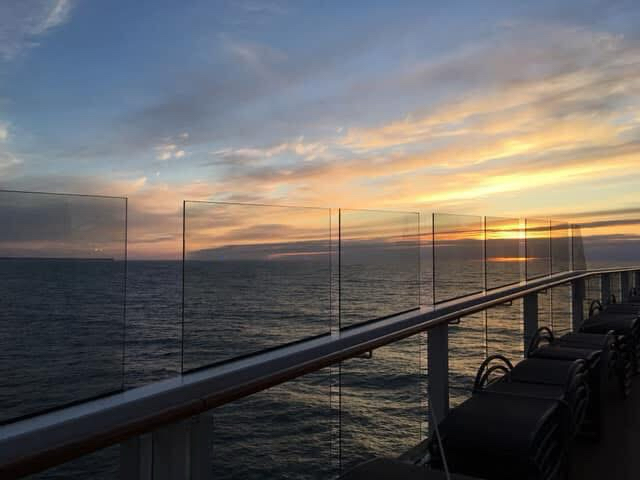
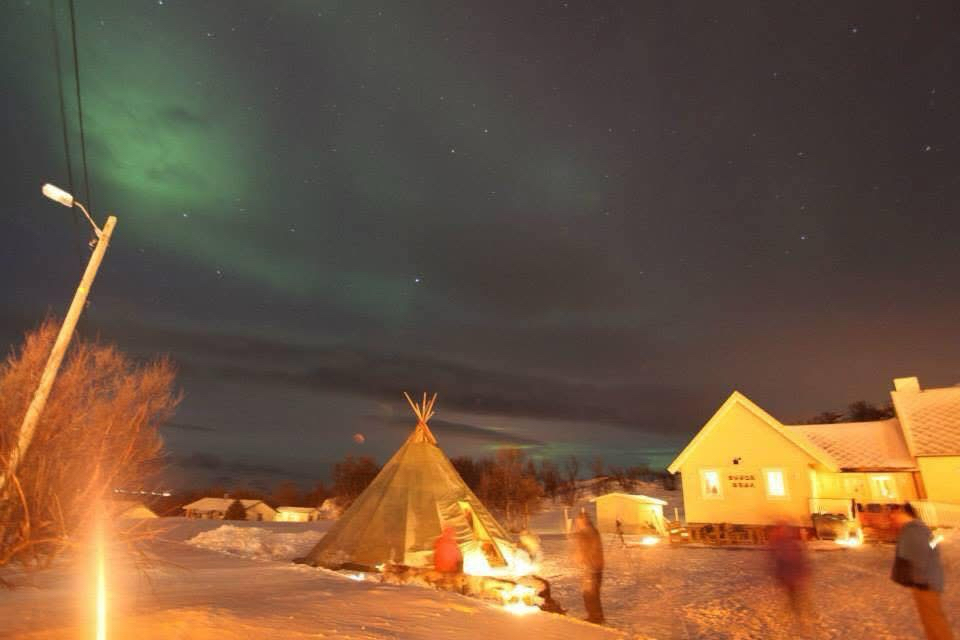
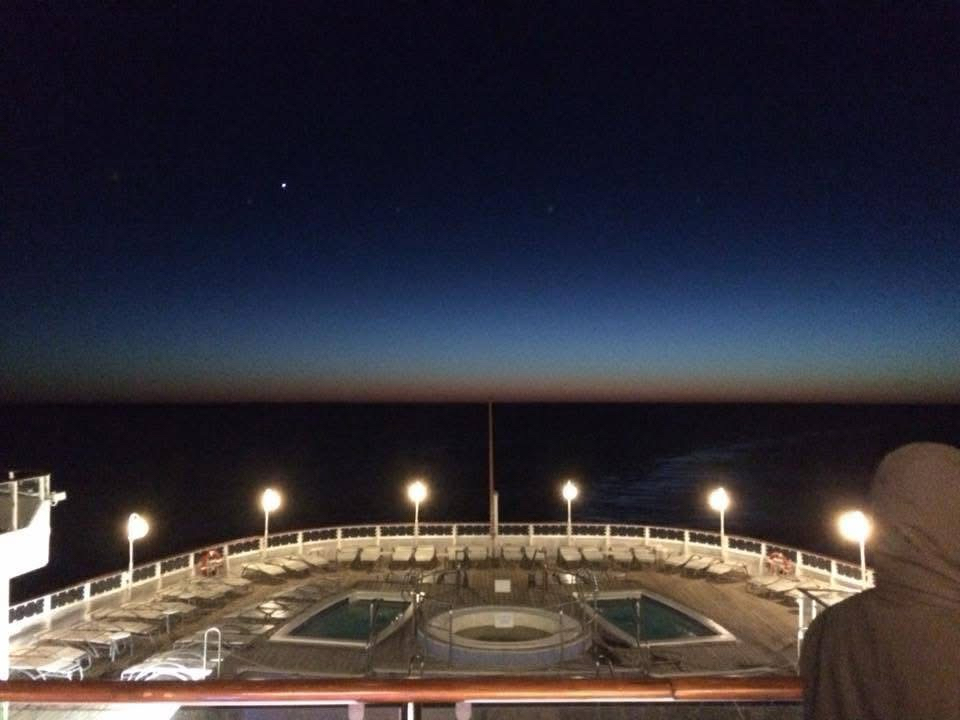
Midnight sun taken at 01:00Northern lights (Arctic circle 2015)Arctic circle (2013)
Turns out that spending decades riding motorcycles, throwing yourself down hills on inline skates, and occasionally pretending gravity is more of a suggestion than a law… comes with consequences.
I’ve broken fingers. Toes. A collarbone. And I’ve collected enough bruises and sprains along the way that my body now sounds like an old toolbox every time I stand up too quickly.
But the worst?
It’s my ribs.
Without question.
Because here’s the cruel joke about broken ribs — you can’t really do anything with them. No cast. No sling. No magical “leave it alone for six weeks” solution.
You still have to breathe.
And every breath feels like your body filing a formal complaint.
Laughing hurts. Coughing feels like attempted murder. Sneezing becomes a full spiritual experience where you briefly meet your ancestors.
And sleeping? Forget it. You don’t realise how much you move in your sleep until your ribs decide to keep score.
The strange thing is though, despite all the crashes, falls, and moments where common sense clearly took the day off… I don’t regret any of it.
Well… maybe some of it.
But scars and old injuries are funny things. They become little bookmarks in your life. Physical reminders of the moments you were truly living — for better or worse.
Though these days I’m a little wiser.
Not wiser enough to stop doing daft things entirely, mind you.
Drawing a line between work and home life is something I’ll admit I don’t always get right. The modern world has a nasty habit of keeping us permanently plugged in, and when your work emails live on the same phone as your family photos, music, and messages from loved ones… the boundaries can blur faster than we’d like.
I try to make a conscious effort to switch off when I can. Sometimes that means putting the phone down and disappearing into the shed for a while, tinkering with something pointless but peaceful. Other times it’s sitting quietly with Mrs Bob, having a brew, or simply reminding myself that not every email needs answering immediately.
Truth be told, balance probably isn’t a perfect set of scales. It’s more like trying to keep several spinning plates wobbling in roughly the right direction without smashing them all on the floor.
Some days I manage it brilliantly.
Other days… not so much.
But I think the important thing is remembering that work helps us make a living — it shouldn’t stop us actually living.
People will usually talk about sacrifice like it has to be something heroic.
Like standing on a battlefield. Giving up on your dreams. Working yourself to the bone so your children can eat. (Thanks mum)
And yes… sometimes sacrifice looks like that.
But sometimes?
Sometimes sacrifice is quieter.
Sometimes it’s choosing peace over blood.
One of the hardest sacrifices I ever made was walking away from my biological father.
Not because I wanted to. Not because it didn’t hurt. But because eventually I realised that loving someone doesn’t magically make them want to love or acknowledge you, or make them safe to keep in your life.
Especially when alcohol turns them into someone cruel.
There’s a strange sort of grief that comes with cutting ties with a parent. People don’t really talk about it enough. Society teaches us that family is forever. That blood is sacred. That we should forgive endlessly because “they’re still your dad” or “they’re still your family.”
But abuse (and neglect) doesn’t stop being abuse just because it shares your surname.
And alcoholism leaves wreckage far beyond the bottle itself.
It spills into words. Into tempers. Into fear. Into childhood memories that sit in your chest for years like broken glass.
For a long time, I kept trying.
Trying to fix something I didn’t break.
Trying to earn kindness from someone who only seemed capable of giving pain.
You tell yourself: Maybe this time will be different. Maybe they’ve changed. Maybe if I just say the right thing…
When you said to my half sister she was an only child, or told a solicitor I was a confidence trickster, trying to get money, after grandad passed away.
That’s when eventually reality taps you on the shoulder hard enough that you can’t ignore it anymore.
Some people do not heal while you stand beside them.
Some people drag you under with them.
And there comes a moment where survival itself becomes an act of courage.
So I walked away.
Not out of hatred.
Oddly enough, that would’ve been easier.
I walked away because I was so tired.
Tired of the chaos. Tired of the endless years of disappointment. Tired of carrying wounds reopened by the very person who should have protected me from getting them in the first place.
And I won’t lie to you…
It cost me something.
There are moments where you mourn the version of them you wished existed. The father you deserved but never really had. The conversations that never happened. The apologies that never came.
You grieve someone who is still alive, which is its own particular kind of heartbreak.
But what did I gain?
Peace.
Actual peace.
The kind where your shoulders slowly stop bracing for impact. The kind where your phone ringing no longer fills you with dread. The kind where silence stops feeling dangerous.
That peace was worth the sacrifice.
Because protecting your mental health is not cruelty. Choosing distance from abuse is not weakness. And refusing to drown alongside someone else’s addiction does not make you selfish.
Sometimes the bravest thing a person can do is say:
“Enough.”
Not with anger. Not with revenge.
Just quiet finality.
And maybe that’s the strange truth about sacrifice.
The older I get, the more I realise it isn’t always about giving something up for success.
Sometimes it’s giving something up so you can finally breathe.
Easy. It’s either my wedding ring… or the small (8mm) piece of amethyst crystal in my ear.
One is a promise. The other is a reminder.
The ring has survived years of work, weather, gardening, hard conversations, and ordinary Tuesdays. It carries scratches like tree rings carry seasons.
The amethyst is older in a completely different way. Millions of years old. Formed slowly underground under pressure and heat. long before any of us arrived here arguing about emails and algorithms. Amethyst has long been associated with calm, clarity, and protection across different cultures and traditions.
I like the contrast.
One object marks a human lifetime. The other measures geological time.
That’s one of those questions people love to throw around as though the world is neatly divided into wolves and sheep. As if every person must either stand at the front barking orders or trail behind blindly hoping someone else knows where they’re going.
Truth is, life doesn’t work like that.
Neither do people.
I was a soldier once, and the military teaches you something very quickly:
If you cannot follow, you should never lead.
A good soldier learns discipline. Learns trust. Learns when to listen, when to move, when to hold the line, and to put faith in the person beside them. Because in the real world, ego gets people hurt.
Far too many people think leadership means being loud.
Being in charge.
Being the one with the answers.
But some of the finest leaders I ever met were quiet professionals. The sort who didn’t need to remind everyone of their rank every five minutes. The sort who would never ask someone to do something they wouldn’t do themselves.
And strangely enough, nearly all of them were excellent followers too.
Because they understood something important:
Leadership is service.
Sometimes you lead from the front. Sometimes you support from the rear. Sometimes you carry the weight.
That isn’t weakness. That’s teamwork. That’s survival.
The world likes extremes these days. Everyone wants to be an “alpha,” whatever that means this week. Social media is full of self-proclaimed leaders, or influencers as they’re called now, shouting into cameras about dominance and success while treating basic kindness like some sort of character flaw, that needs to be erased.
But real leadership?
Real leadership is checking on the quiet member of the team. Taking responsibility when things go wrong. Remaining calm while everyone else loses their head. Making decisions that won’t make you popular, but are necessary.
And following well takes strength too.
It takes humility to admit someone else might know better. It takes trust to place yourself in another person’s hands. It takes discipline to work toward something bigger than your own ego.
So am I a leader or a follower?
Both.
Because life demands both.
Anyone can bark orders. Anyone can blindly follow a crowd.
But knowing when to do each? That takes experience.
And sometimes, the people best suited to lead are the ones who first learned how to follow with honour