
What’s something you do completely differently from how you were raised?
Religion.
That’s probably the quickest answer I could give to this question.
I was raised Christian and, like many people, religion was simply part of everyday life.
Sunday meant church.
Not “would you like to go to church?”
Not “shall we discuss your spiritual preferences over breakfast?”
It was more along the lines of: get dressed, we’re going to church.
Then I went to boarding school and the tradition continued, except there it wasn’t really a family decision anymore. We were expected — forced, really — to go to church every week.
So church was something I did for most of my childhood and into my late teens.
And yet, somewhere along the way, I started asking questions.
Lots of questions.
Probably too many questions for some people’s liking.
I’ve never been particularly good at accepting something simply because somebody tells me that’s the way it is.
If someone says, “This is what you must believe,” my immediate reaction tends to be:
“Okay… but why?”
Which isn’t always the most convenient personality trait to have.
As I got older, I started looking beyond Christianity and reading about other religions and spiritual traditions.
And rather than finding one particular religion and deciding, “Right, that’s it, I’ve found the answer to everything,” I ended up doing something slightly more Bob.
I nicked bits I liked from different places.
Not literally, obviously.
Although I suppose spiritually speaking, that’s pretty much what I’ve done.
I’ve developed my own path, which is a mixture of witchcraft and Buddhism.
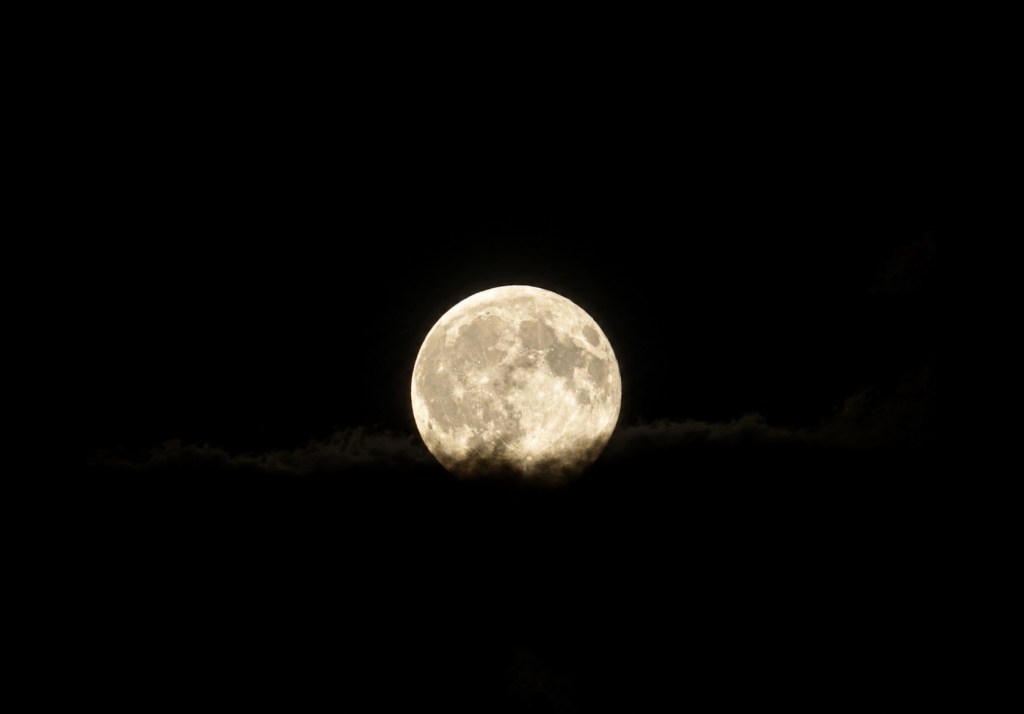
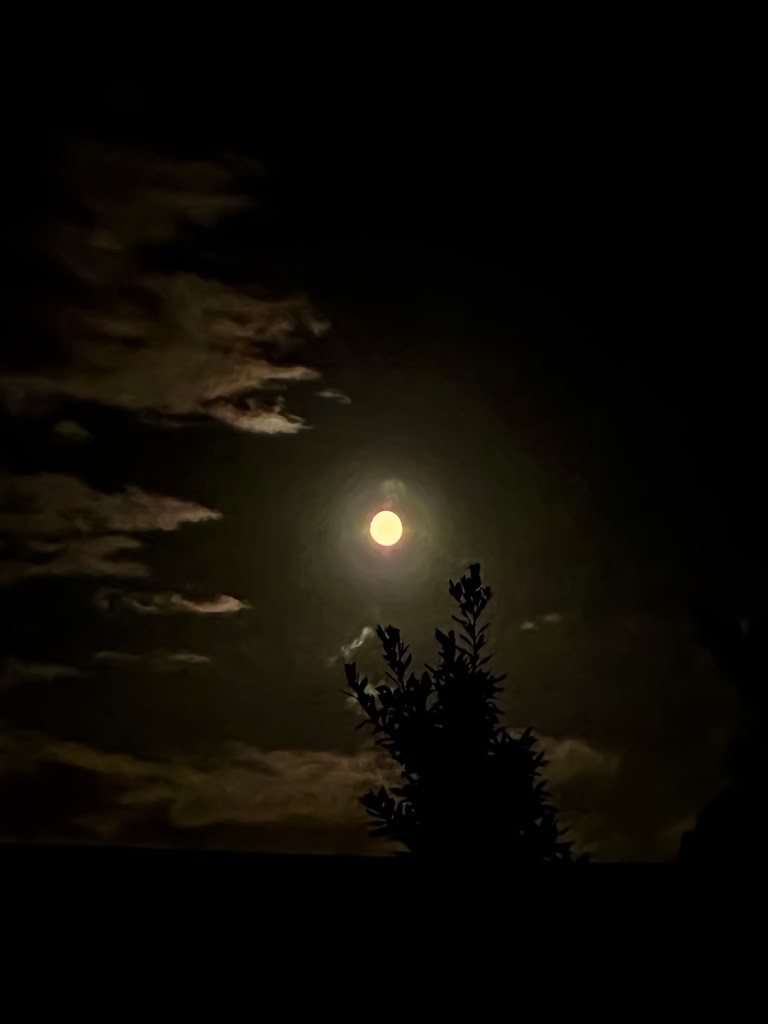
Now, before anyone imagines me wandering around the house wearing a pointy hat, stirring a cauldron and chanting at the moon, that’s probably not quite how it looks.
Although I’m not ruling anything out.
For me, witchcraft has brought an appreciation of nature, ritual, intention and the idea that what we put into the world matters.
Buddhism, meanwhile, has given me a different way of looking at suffering, attachment, compassion and, perhaps most importantly, myself.
And I’ve found that combination works for me.
That’s the important bit.
It works for me.
I’m not suggesting it should work for you.
And that’s where I think I’ve ended up very differently from how I was raised.
I don’t believe spirituality has to be a one-size-fits-all arrangement.
We’re all different.
We have different experiences.
Different personalities.
Different emotional needs.
Different things that frighten us.
Different things that give us comfort.
Different ways of dealing with grief, loss, love, death and all the other complicated stuff that comes with being a human being.
So why would we all need exactly the same spiritual path?
I’ve got absolutely nothing against organised religion.
If going to church every Sunday gives you comfort, community and a sense of purpose, then fantastic.
If praying helps you get through a difficult day, then pray.
If your faith makes you a kinder, more compassionate person, then I’m certainly not going to criticise it.
What I do struggle with is the constant use of fear.
“You’d better believe this or you’ll burn in hell.”
Really?
Is that honestly the best sales pitch we’ve got?
Imagine if we did that with everything.
“Try this restaurant or you’ll suffer eternal damnation.”
“Remember to renew your car insurance or Satan gets your policy.”
It sounds ridiculous when you put it like that.
And yet, using fear to control people’s beliefs is something that has been around for a very long time.
For me, faith shouldn’t need a threat attached to it.
If something is meaningful, surely it should be able to stand on its own.
That’s probably one of the reasons I’ve enjoyed learning about different religions so much.
The more you look, the more you realise that although people can have wildly different ideas about gods, the universe and what happens after we die, there are some remarkably similar messages running through many traditions.
Be kind.
Help people.
Don’t be a dick.
Look after your community.
Take responsibility for your actions.
Try to become a better person.
I’m paraphrasing, obviously.
Some ancient religious texts are considerably more eloquent than “don’t be a dick.”
But the general idea is there.
And perhaps that’s also why I enjoy Freemasonry so much.
Because when we’re in the temple, we’re not sitting around comparing whose God is bigger.
We’re brothers.
We have different backgrounds.
Different experiences.
Different opinions.
And yes, different ideas about the divine.
But that’s put to one side for the greater good.
I really like that.
Perhaps because I’ve spent so much of my life being told that there was a particular path I was supposed to follow, I appreciate being somewhere where we can acknowledge that other people might walk a completely different path and still sit beside us as equals.
I don’t need you to believe what I believe.
And I don’t expect you to.
You can believe in God.
You can believe in several gods.
You can believe in something else entirely.
You can be deeply religious.
You can be spiritual but not religious.
Or you can sit somewhere in the middle and spend your time wondering what the hell is going on.
Which, if I’m honest, is probably where most of us are.
And that’s okay.
I’ve come to realise that I don’t actually need all the answers.
In fact, I’m increasingly suspicious of anyone who claims they have them.
I’d much rather remain curious.
Read another book.
Ask another question.
Listen to somebody else’s point of view.
Change my mind occasionally.
And continue figuring out what I believe as I go along.
So, what’s something I do completely differently from how I was raised?
I was raised to follow a particular religious path.
I’ve chosen to explore my own.
And perhaps that’s the biggest lesson I’ve taken from all of this:
Your spiritual journey belongs to you.
You don’t have to follow somebody else’s map.
You don’t have to be frightened into believing.
And you certainly don’t have to agree with everyone else.
Just try to be kind.
Try to leave the world slightly better than you found it.
And don’t be too much of a dick along the way.
That’s probably a pretty good religion in itself.
Stay safe,
Bc