And before you start saying, “But Bob, we have GPS…”
Yes.
I have satnav on my phone too.
And it’s bloody brilliant.
Until your phone battery dies.
Or your GPS stops working.
Then suddenly you’re standing in the middle of nowhere with absolutely no idea where you are, or how the hell you’re getting from there to where you need to be.
Map reading is one of those skills the Army taught me that has stayed useful long after I left.
And actually, I’d put basic first aid right alongside it.
Neither skill is particularly glamorous.
Neither is something you think about every day.
But when you need them…
You really, really need them.
So perhaps these are two skills we should all learn.
Because technology is wonderful.
But sometimes knowing how to read a map and patch someone up is worth a hell of a lot more than having 5% battery left.
I think this last week has probably been the pinnacle of my 2026 journey.
But before we get into that, let’s rewind a little.
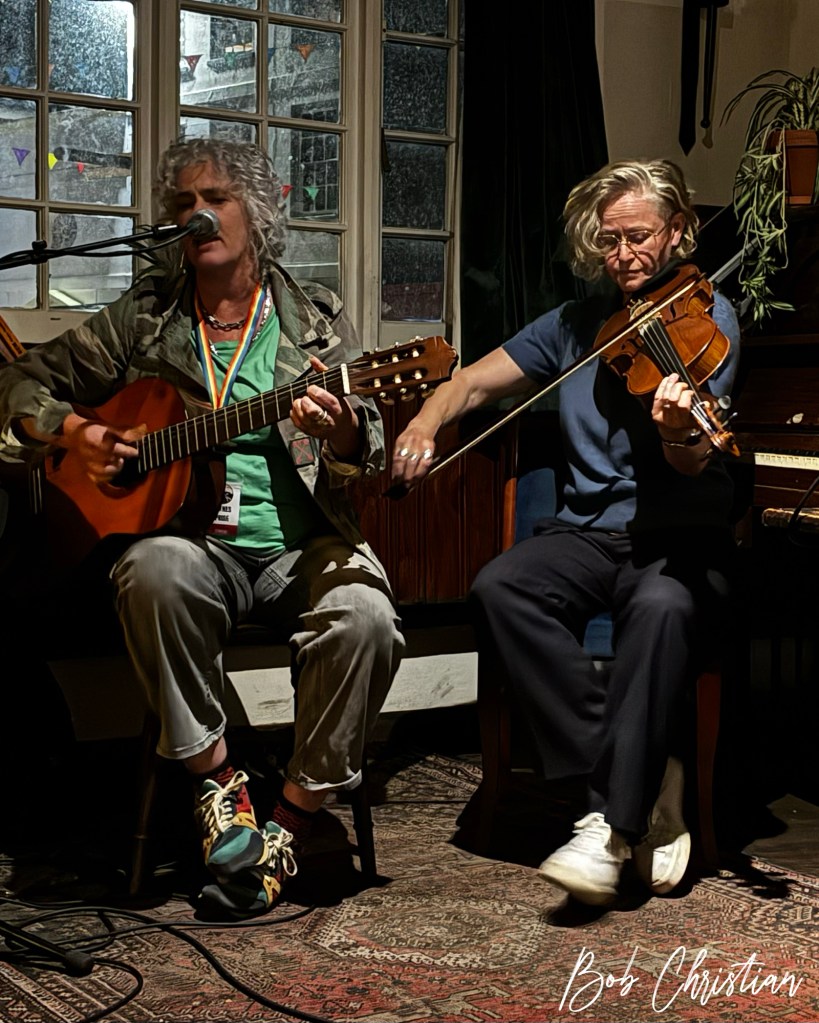
At the start of the year I spotted an advert on Instagram looking for volunteer photographers for Torbay Pride.
Now, being me, I thought…
Why not?
So I threw my hat into the ring.
Somehow, they said yes.
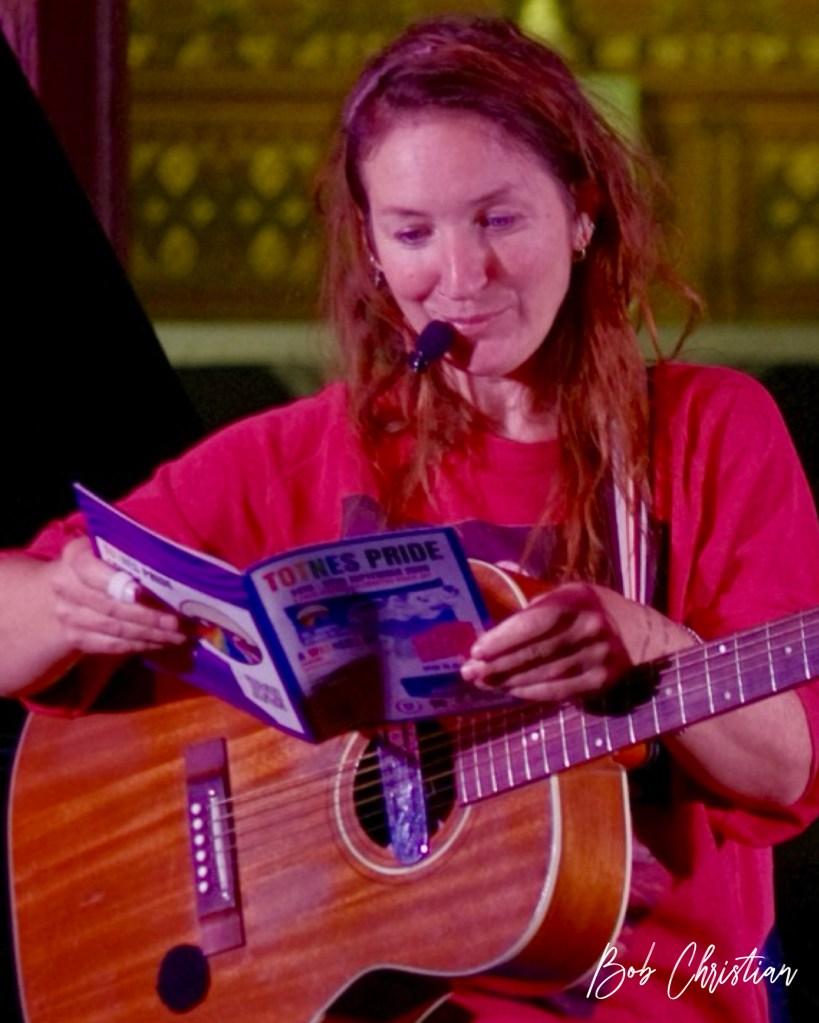
And suddenly I found myself being one of the volunteer photographers for Torbay Pride.
My first proper photography gig.
And I bloody loved it.
Something had happened.
That little spark had caught light.
So when my hometown of Narnia announced its own Pride in July, I did what any sensible person would do.
I sent them a cheeky email asking if they needed a photographer.
Apparently, nobody had thought of that.
So, by a mixture of enthusiasm, timing and possibly nobody else putting their hand up, I became the official Pride photographer.
Which brings us to last week.
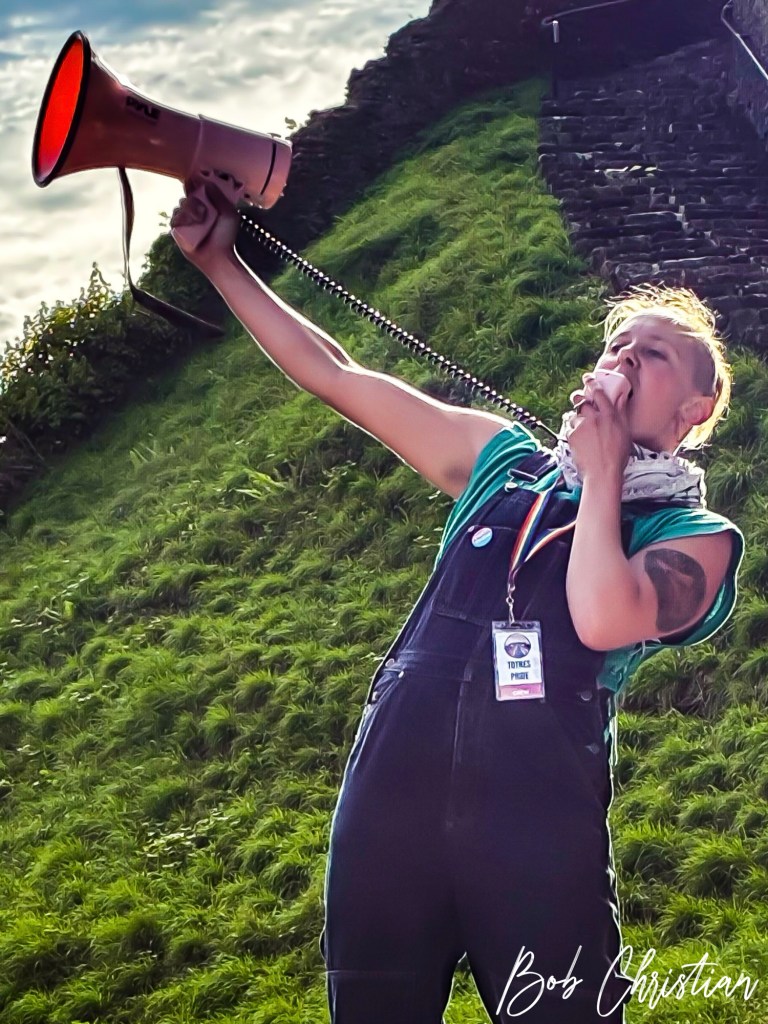
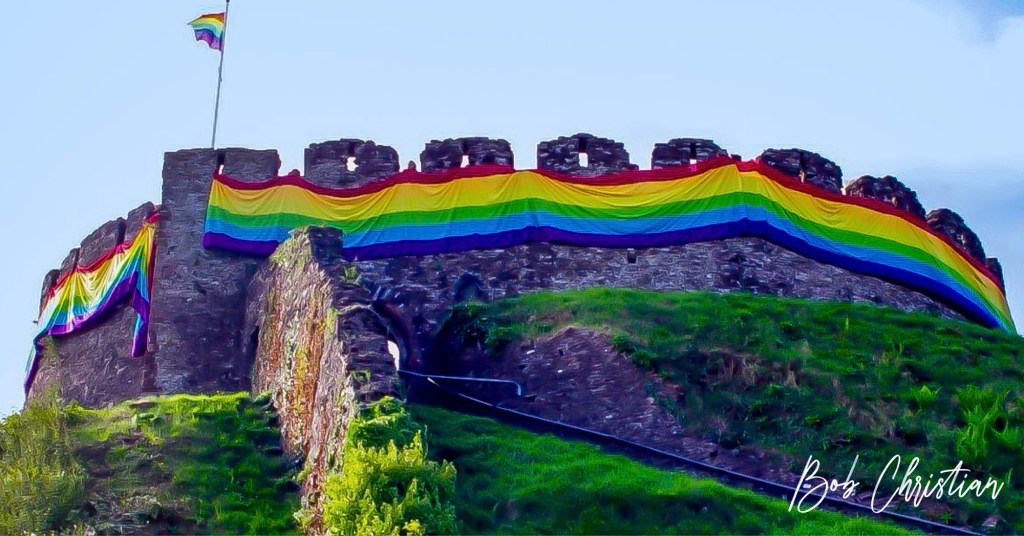
Totnes Pride.
Another fantastic day. Another camera full of photographs. Another reminder of just how much I love doing this.
And then came the inevitable bit.
The bit where I sat down afterwards and started looking through hundreds of photographs.
Yes, they were in focus.
Yes, they were clear.
But…
Did they have that something?
Probably not.
And when you combine that with a healthy dollop of imposter syndrome and failing to score in a poetry competition, it’s fair to say I was being a little hard on myself.
Then Friday happened.
One of the Pride volunteers contacted me.
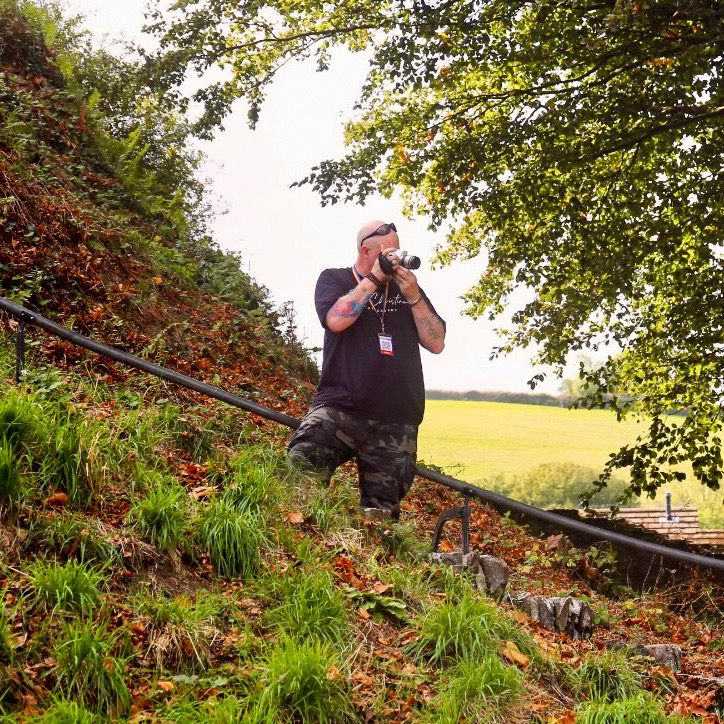
She sent me a lovely photograph of me in action with my camera.
Then came the unexpected bit.
She was looking for a volunteer photographer to photograph 80s music legend Howard Jones while he had his portrait painted, followed by an auction raising money for a local youth music charity.
Would I be interested?
Well…
Yes.
Obviously.
I didn’t even need to think about it.
More experience.
More hours behind the camera.
A chance to build my portfolio.
And, quite frankly, an excuse to take photographs.
What’s not to like?
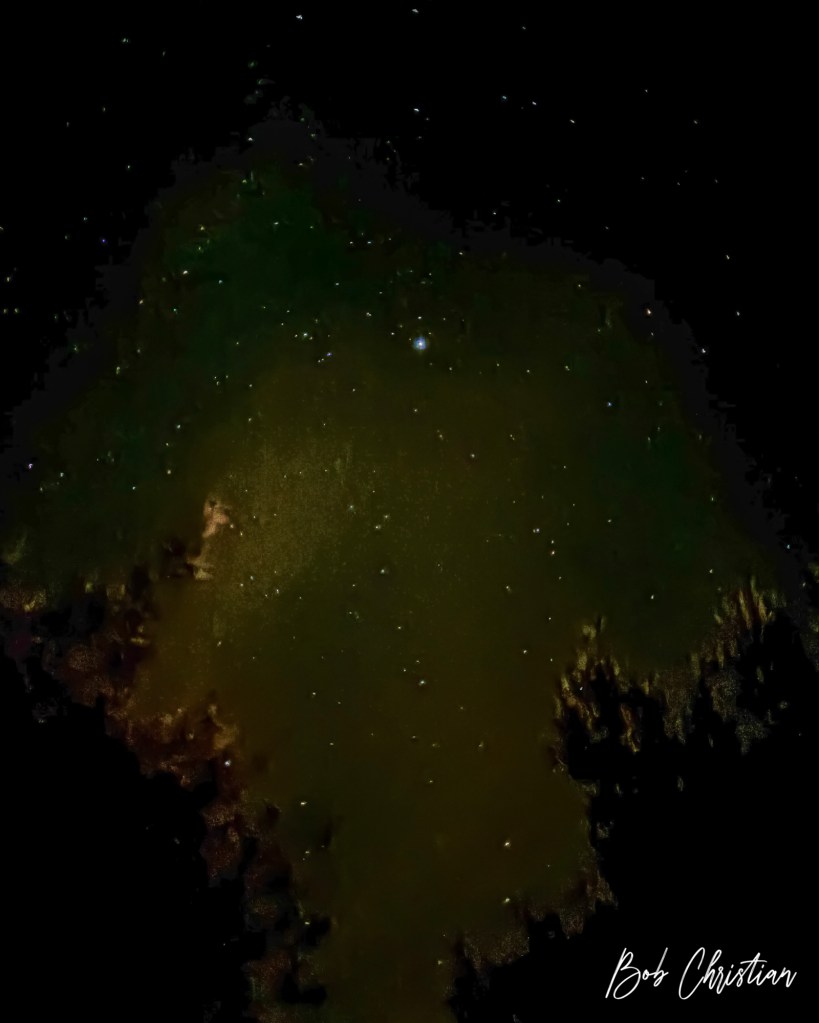
Then, as if the universe was trying to make its point, some of my astrophotography started producing some rather lovely results too.
And suddenly that slump didn’t seem quite so deep.
Perhaps I’d just forgotten something fairly obvious.
I’m still learning.
I’m still finding my eye.
Not every photograph is going to be the photograph.
And that’s okay.
You take the next one.
You learn.
You keep going.
Sometimes you just need to stop judging the last frame long enough to notice that you’re already holding the camera for the next one.
And maybe there’s something to be said for simply being there for that moment, rather than worrying too much about what comes afterwards.
Anyway…
The camera’s charged.
There are more photographs to take.
And apparently, I’ve got a portrait of Howard Jones to go and shoot.
Which relationship has taught you the most about yourself?
Mrs Bob.
There really isn’t anyone else who comes close.
I suppose the obvious answer would be that she’s taught me about love.
And she has.
She’s taught me about patience.
Definitely that.
Although, to be fair, she’s probably had to teach me more about patience than most people would consider reasonable.
But the biggest thing Mrs Bob has taught me is actually about myself.
She’s allowed me to grow.
And, let’s be honest, she’s allowed me to mature into the person I am today.
I wasn’t a finished product when we met.
Far from it.
I was still figuring out who I was, what I wanted, and probably making far more mistakes than I’d care to admit.
Some of those mistakes were mine.
Some were lessons I simply hadn’t learned yet.
And some were things I didn’t even realise I needed to learn.
Mrs Bob never tried to turn me into somebody else.
She just gave me the space to become more myself.
And I think there’s a huge difference between those two things.
She’s the calm to my fire.
Where I can be passionate, impulsive, stubborn and occasionally a complete pain in the arse, she has this remarkable ability to bring me back down to earth.
Not by changing me.
Not by trying to silence me.
Just by being there.
Sometimes that’s all you need.
Someone who knows when to let you burn brightly…
And when to quietly remind you that perhaps setting fire to everything isn’t the best solution.
Over the years, she’s seen the versions of me that I’m proud of.
And the versions I’m not.
She’s seen the good days.
The bad days.
The days where I’ve been convinced I had everything figured out.
And the days where I quite clearly didn’t have a bloody clue.
And somehow, through all of that, she’s still here.
Still beside me.
Still encouraging me to grow.
Still putting up with me.
Which, frankly, deserves some sort of medal.
I often think we underestimate what it means to really know another person.
Not just knowing their favourite food or what makes them laugh.
But knowing their fears.
Their insecurities.
Their strengths.
Their weaknesses.
Knowing what they’re capable of, even when they don’t know themselves.
Mrs Bob has done that for me.
She’s helped me see parts of myself that I couldn’t see.
She’s encouraged me when I doubted myself.
She’s challenged me when I needed challenging.
And she’s given me the freedom to become the person I was supposed to be.
So, which relationship has taught me the most about myself?
That’s easy.
Mrs Bob.
Because I’m not the same man I was when we first met.
I’m calmer.
I’m more comfortable in my own skin.
I’ve learned that vulnerability isn’t weakness.
I’ve learned that asking for help doesn’t make you less of a man.
And I’ve learned that sometimes the person who helps you become yourself isn’t the person who tells you who to be.
It’s the person who stands beside you while you work it out.
I’m the person I am today because of a lot of people, a lot of experiences, a lot of mistakes and a ridiculous number of lessons.
But Mrs Bob?
She’s been there for the whole bloody journey.
And I wouldn’t want to have travelled it with anyone else.
If you could start a new business right now, what would it be?
If I’m being completely honest, the obvious answer would probably be photography.
I love photography.
It’s gone from being something I did with my phone, wandering around taking pictures of anything that caught my eye, to something I genuinely want to get better at.
Nature.
Birds.
Beaches.
People.
Events.
The occasional photograph that makes me stop and think, bloody hell, I actually took that.
I’ve even started doing photography work at events, and there’s something rather lovely about being able to turn something you enjoy into something people are willing to pay you for.
So yes.
If I was being sensible…
A photography business.
Easy.
Except…
I think I’d love to own a comic book shop.
Yep.
A comic book shop.
Because apparently being a bloke in his fifties who already has far too many hobbies, books and bits of geekery apparently isn’t enough.
I need premises.
And stock.
And shelves.
Lots and lots of shelves.
I’ve loved comics and graphic novels for years.
I’ve rambled before about how Watchmen was my first graphic novel and how that started a lifelong love affair with comic books.
And the more I think about it, the more I realise that owning a comic shop wouldn’t really be about selling comics.
Not entirely.
It would be about creating somewhere people actually want to go.
A proper little geeky Aladdin’s cave.
Comics.
Graphic novels.
Maybe some collectables.
Games.
A few bits of nostalgia.
Somewhere you could walk in looking for the latest issue of something and end up having a forty-minute conversation about Batman.
Or Transformers.
Or why the original Teenage Mutant Ninja Turtles were considerably better than they had any right to be.
Somewhere you could discover comics for the first time.
Somewhere adults could rediscover the things they loved when they were younger.
And somewhere people could simply geek out without having to explain themselves.
I think I’d like that.
There’s something quite appealing about having a little shop that feels like your place.
Not some huge corporate business.
Just a little independent shop, run by a bloke who probably knows far too much about fictional characters and not nearly enough about accounting.
So maybe photography is the sensible answer.
It’s something I’m passionate about.
Something I’m already doing.
Something I’m increasingly taking seriously.
But the comic shop?
That’s the one that makes me smile when I think about it.
And perhaps that tells me something.
Because sometimes the business you could build isn’t necessarily the business you’d love to build.
And if I ever do open one…
You’ll probably find me behind the counter with a camera around my neck, a comic in my hand, and absolutely no idea what I’m doing.
Which, if we’re being honest, is pretty much how I approach most things.
That makes them sound as though I’ve discovered some secret formula for life.
I haven’t.
If I had, I’d probably be considerably more organised.
And significantly less likely to walk into a room and immediately forget why the hell I went there.
But over the years, I’ve picked up a few little things that seem to make life slightly easier.
Nothing revolutionary.
No twelve-step morning routine involving seventeen different types of herbal tea.
Just a few things that seem to work for me.
Don’t Carry Everything (The Art of Letting Go)
This is probably the biggest one.
For a long time, I spent an incredible amount of energy carrying things that had already happened, you know.
Arguments.
Regrets.
Things people had said.
Things I wished I’d said.
Things I couldn’t change, no matter how many times I replayed them in my head.
Meditation has helped me with that.
Not by magically emptying my mind.
Anyone who knows me will understand how unlikely that sounds.
Instead, it’s taught me to notice my thoughts without automatically climbing aboard every single one of them.
Sometimes you just have to acknowledge something.
Learn whatever lesson there is to learn.
And then put the bloody thing down.
You don’t have to carry everything just because you once picked it up.
Some things belong in the past.
Leave them there.
Go outside
Another incredibly complicated life hack.
Leave the house.
Go for a walk.
Look at the sky.
Watch the birds.
Stand by the sea.
Get rained on.
Apparently, I’m particularly good at that last one.
There’s something about getting away from four walls and screens that resets the brain.
Sometimes the solution to a problem isn’t another hour staring at it.
Sometimes it’s a walk and a coffee.
Sometimes it’s feeding the crows.
Sometimes it’s standing in the sea with wet shorts and wondering why you thought that was a good idea in the first place.
And sometimes…
that’s enough.
We spend so much time trying to do things that we forget there’s value in simply being somewhere.
Outside.
Breathing.
Looking.
Listening.
Being present.
Write shit down
My brain has always been a noisy place.
So I write.
Sometimes it’s poetry.
Sometimes it’s complete nonsense.
Sometimes it’s a sentence that eventually becomes something.
And sometimes it’s simply a case of getting the thoughts out of my head and onto a piece of paper before they start having a bloody committee meeting in there.
There’s something strangely powerful about seeing a thought written down.
It becomes something outside of you.
You can look at it.
Question it.
Rearrange it.
Understand it.
Or decide that actually, it was rubbish…
…and throw it away.
Writing started for me as a way of processing thoughts and emotions.
Twenty years later, I’m still doing it.
Apparently, I’ve committed to the bit.
And I’m quite glad I did.
Protect you time
We live in a world that seems determined to fill every available second.
Notifications.
Messages.
News.
Social media.
Emails.
Opinions.
More opinions about the opinions.
Sometimes you need to switch the bloody lot off.
Read a book.
Play a game.
Sit in the shed.
Take photographs.
Write.
Watch the birds.
Drink a coffee.
Do absolutely nothing.
And yes, I know that doing nothing sounds like the sort of thing we’re all supposed to feel guilty about.
But doing nothing isn’t necessarily wasting time.
Sometimes doing nothing is exactly what your brain needs.
We don’t have to be productive every minute of every day.
Sometimes the most productive thing you can do is stop.
Fucking ask for help
This one took me far too long to learn.
I’ve still got the scars
I used to think asking for help meant
Not being able to “Man Up”
admitting weakness.
It doesn’t.
Sometimes it means recognising that you’re human.
We aren’t designed to carry everything alone.
If something is too heavy, put it down.
If you don’t know what to do, ask someone who does.
If you’re struggling, tell someone.
That isn’t failure.
It’s being sensible.
There’s a strange idea that we’re somehow supposed to have all the answers.
We’re not.
None of us do.
Sometimes strength isn’t about carrying something until your back breaks.
Sometimes strength is saying:
“I can’t carry this on my own.”
And letting somebody give you a hand.
Finally…
Don’t wait for everything to be perfect before you enjoy your life.
I believe that the things we put out into the world have a habit of coming back to us.
Not necessarily in the mystical, Hollywood sort of way.
I don’t necessarily believe that if someone is horrible to you on Tuesday, the universe will arrange for them to stand on a piece of Lego on Wednesday.
Although…
I’m not entirely ruling it out.
What I mean is something a little simpler.
Our actions have consequences.
The way we treat people matters.
The choices we make shape the person we become.
And sometimes, those choices have a funny way of catching up with us.
I’ve learned that lesson the hard way.
There have been times in my life when anger would have been the easy option.
Someone hurts you.
Someone wrongs you.
Someone treats you badly.
And every fibre of your being screams:
“Go on then.
Give them some of it back.”
I understand that feeling.
I really do.
But I’ve also learned that revenge rarely gives you what you think it will.
It doesn’t undo what happened.
It doesn’t repair the damage.
It doesn’t magically make you feel better.
Sometimes all it does is create another problem.
And another.
And another.
A bit like emotional dominoes, except you’re the idiot who keeps knocking them over.
There’s something I’ve taken from my reading around Buddhism that I find particularly useful.
Not some grand mystical promise that the universe will punish the bad people and reward the good ones.
Something much simpler.
Our intentions and actions matter.
What we cultivate inside ourselves matters.
If I spend my life feeding anger, resentment and hatred, then I’m the one carrying those things around.
Nobody else has to.
I do.
And frankly, I’ve carried enough baggage in my lifetime without deliberately packing another suitcase.
So yes, I believe in karma.
But perhaps my understanding of karma has changed over the years.
I don’t see it as some cosmic courtroom where a celestial judge sits behind a desk handing out sentences.
I see it more as a reminder.
Be careful what you put into the world.
Because your words matter.
Your actions matter.
The way you treat the person who can do absolutely nothing for you matters.
The kindness nobody sees still matters.
The apology nobody expected still matters.
Walking away instead of escalating an argument matters.
Helping someone when you could easily have walked past matters.
And maybe that’s where the universe comes into it.
Maybe there is some great cosmic mechanism at work.
Maybe there isn’t.
I honestly don’t know.
I’m quite comfortable admitting that I don’t have all the answers.
What I do know is that kindness tends to create more kindness.
Anger creates more anger.
Compassion can change the direction of a conversation.
And sometimes choosing peace instead of revenge changes the direction of your entire life.
So if you want to call that karma…
Fine by me.
If you want to call it the universe…
That’s fine too.
If you want to call it simple cause and effect…
You might actually be onto something.
Personally, I’ll probably continue sitting somewhere in the middle.
A little bit spiritual.
A little bit sceptical.
A little bit Buddhist.
And quite a lot of bloke who has made enough mistakes to know that actions have consequences.
Because perhaps karma isn’t about waiting for somebody else to get what they deserve.
Perhaps it’s about making sure that what we put into the world is something we’re happy to live with when it comes back around.
And if the universe wants to throw in the occasional piece of Lego for educational purposes…