Which celebrity would you love to meet, and what would you talk about?
There are plenty of celebrities I could name, but if I had the opportunity to sit down with anyone, I think it would have to be the Dalai Lama.
Now, before you all start imagining me sitting there asking deep and meaningful questions about the meaning of life, the universe, and everything, I have a confession to make.
I’d probably say very little.
Not because I’d have nothing to ask him, but because I suspect I’d have far more to gain by listening than by talking.
We live in a world where everyone seems to have something to say. Social media is full of opinions, arguments, and people determined to have the last word. We’re so busy thinking about what we’re going to say next that we sometimes forget to listen to the person in front of us.
So, imagine sitting across from someone who has spent a lifetime talking about compassion, kindness, and finding a little peace in a world that often seems determined to do the opposite.
Would I ask him how we fix the world? Perhaps.
Would I ask him how we learn to be kinder to one another? Probably.
Would I ask him how we find a little peace in our own heads when life gets a bit too much?
Quite possibly.
But I think the most important thing would be to give him the space to talk, without feeling the need to fill every silence with my own words.
I’m not sure I’d come away with all the answers. I’m not even sure I’d know what to say when the conversation ended.
But perhaps that’s the point.
Sometimes, we don’t need to be the cleverest person in the room. We don’t need to impress anyone, offer advice, or turn every conversation into an opportunity to share our own experiences.
Sometimes, we just need to shut up and listen.
And if I could spend an hour doing that with the Dalai Lama, listening to his thoughts on humanity, compassion, and life, I reckon that would be an hour well spent.
After all, you can learn an awful lot when you stop talking long enough to hear what someone else has to say.
What’s something you’ve done that your past self would be proud of?
That’s an interesting one?
When we look back at our younger selves, we tend to remember the things we got wrong. The opportunities we missed. The things we were too scared to try. The dreams we quietly tucked away because, well, you know, life got in the way.
But every now and then, something happens that makes you stop and think…
“Blimey. I actually did that!”
For me, one of those moments would be taking an old camera, a dream, and a stubborn determination to see what I could achieve, and getting one of my photographs in the local news.
Now, I appreciate that might not sound particularly spectacular to some people.
It’s not winning an Oscar. It’s not appearing on the front of National Geographic. And it certainly doesn’t involve a Hollywood producer knocking on my door offering me a six-figure contract.
Although, if one happens to be reading this, my email address is available. Just saying.
But here’s the thing.
It was never really about the newspaper.
It was about proving to myself that I could do something with a passion, a bit of determination, and whatever equipment I could get my hands on.
You see, I’ve always enjoyed taking photographs. Capturing those little moments that other people might walk straight past. A bird sitting in just the right place. The way the light catches a building. A landscape that makes you stop for a moment and simply appreciate where you are.
Sometimes you get lucky.
Sometimes you take fifty photographs and discover that forty-nine of them are absolutely rubbish.
And sometimes, just sometimes, you get that one image.
The one that makes you smile.
The one that makes you think, “Actually, that’s not half bad.”
And then, when that photograph finds its way into the local news?
Well, that’s something else entirely.
Because suddenly, something you created, something you saw through your own eyes and captured, is being shared with other people.
And that matters.
Not because it makes you famous. Not because it means you’re suddenly some sort of photographic genius who should be wearing a black polo neck and talking about aperture settings over an expensive coffee.
But because it reminds you that you don’t necessarily need all the latest equipment, the perfect circumstances, or a carefully mapped-out plan to make something worthwhile.
Sometimes, you just need to start.
Take the photograph.
Learn as you go.
Make mistakes.
Try again.
And keep going.
Looking back, I think my younger self would be rather chuffed with that achievement. Perhaps a little surprised, too.
After all, dreams have a funny way of changing as we get older. Sometimes they get bigger. Sometimes they get smaller. And sometimes they sit quietly in the back of our minds, waiting for us to stop making excuses and give them a chance.
I’m not suggesting that getting a photograph into the local news is going to change the world.
But it changed how I looked at what I might be capable of.
And that, in its own little way, is important.
These days, photography has become a much bigger part of my life. I’m still learning, still experimenting, and still occasionally pressing buttons without being entirely certain what they’re going to do.
Some things never change.
But I’ve learned that you don’t have to be the best at something to enjoy it. You don’t need qualifications hanging on the wall or thousands of followers telling you how brilliant you are.
You just need passion and to care enough to keep doing it.
And if something good comes from that? Brilliant.
If it doesn’t? You’ve still spent your time doing something you love.
So, what would my past self be proud of?
Probably the fact that I took a chance on myself.
That I picked up a camera, followed a dream, and managed to get one of my photographs into the local news.
Not bad for a bloke who simply wanted to take some decent pictures.
And perhaps that’s the real answer to this question.
It’s not always about the grand achievements or the life-changing milestones.
Sometimes, it’s about looking back at the person you used to be and realising that you’ve become someone who had the courage to try.
Someone who kept learning, and failing.
Someone who didn’t give up on the things that made him happy.
And someone who discovered that an old camera and a dream could take him further than he ever expected.
So, if there’s something you’ve always wanted to try, perhaps give it a go.
Pick up that camera.
Write that poem.
Start that project.
Take that first step, even if you haven’t got the faintest idea what you’re doing.
You never know where it might lead.
And one day, you might just look back and realise that the person you used to be would be rather proud of the person you’ve become, I know I am
I’m sure you’re all aware that, apart from my twenty-odd years as a fully qualified scribbleologist (poet to those who prefer the technical terminology), I’ve also had a longstanding love affair with photography. Words have always been my way of capturing the world, but lately I’ve discovered that a camera can do much the same thing — only with fewer syllables and considerably less punctuation.
And blimey, things seem to be gathering pace!
Since buying my first DSLR back in October last year, I’ve photographed a wedding, covered two Pride events (one of them as the main photographer, no less), and had the pleasure of photographing an evening fundraiser featuring the legendary Howard Jones. Yes, that Howard Jones. Eighties musical royalty, and me with a camera trying to look as though I know exactly what I’m doing.
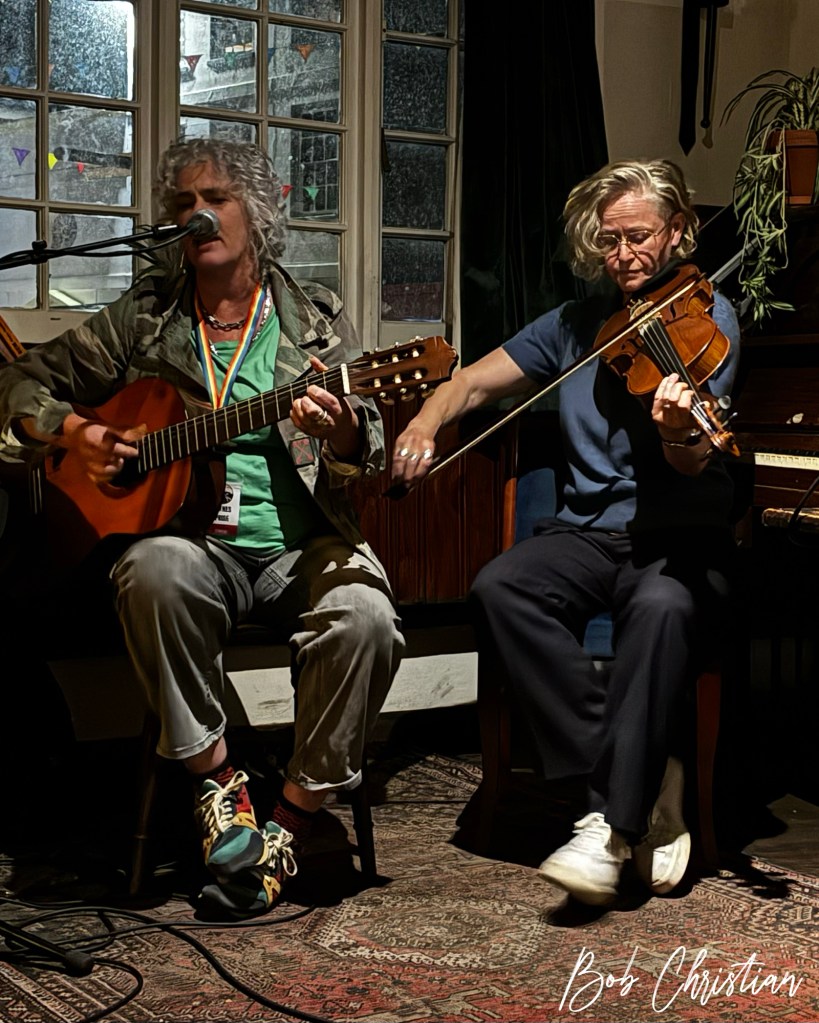
Next up, I’ve another shoot this month at a poetry event hosted by local celebrity Tom Hirons. Which means I’ll be swapping between two of my favourite worlds: the one where people perform their words, and the one where I attempt to capture the moment before it disappears into the ether.
When I bought that camera, I rather fancied I’d take a few photographs, enjoy myself, and perhaps produce the occasional image that didn’t require an apology. I didn’t quite anticipate things moving along quite so quickly.
But here we are. One minute you’re experimenting with a new bit of kit, the next you’re photographing weddings, Pride celebrations and musical legends, with more opportunities popping up on the horizon.
It’s funny how life sometimes opens a door when you’re busy looking through a viewfinder.
So, between scribbling poems, chasing light and trying to remember which button does what, it seems this particular adventure is gathering momentum.
And if there’s one thing I’ve learnt after twenty-plus years of playing with words, it’s this: you never really know where a creative itch might lead you.
I’d better keep the batteries charged, then. It looks like I’m going to need them!
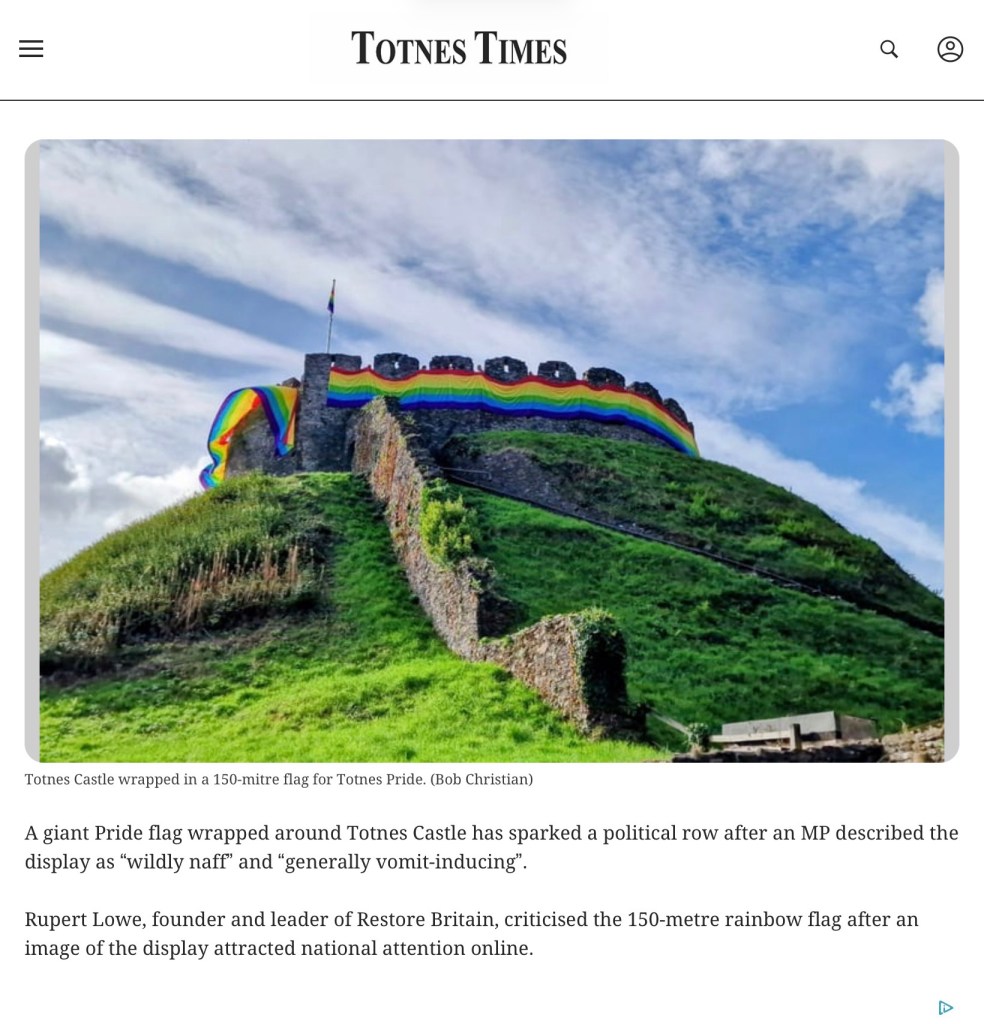
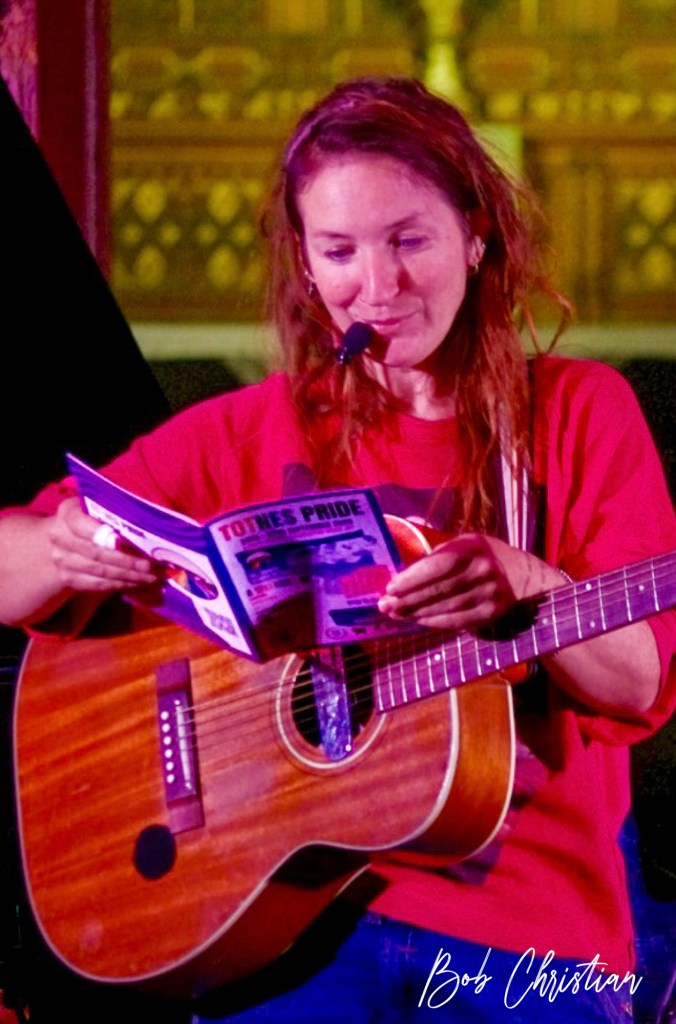
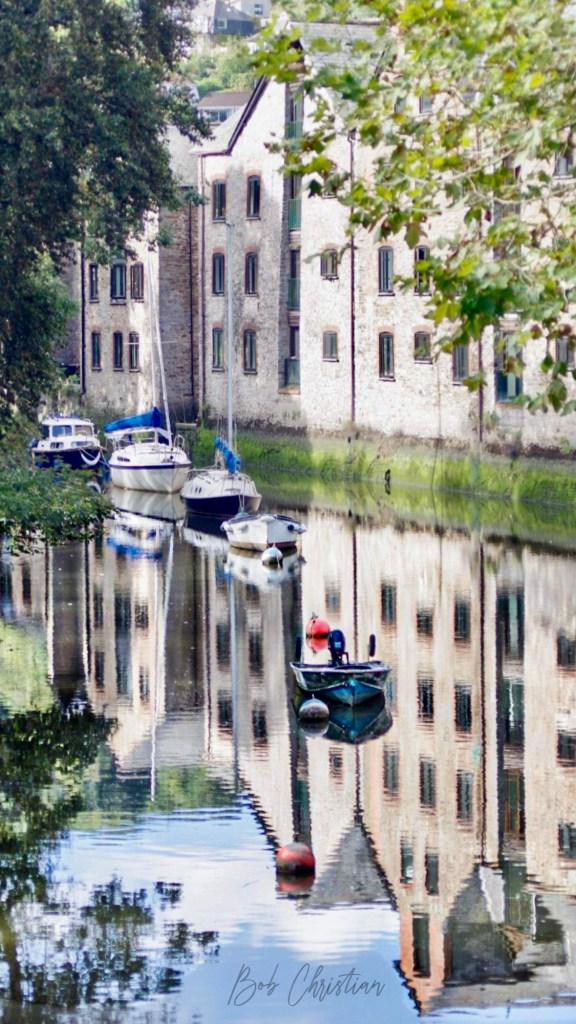
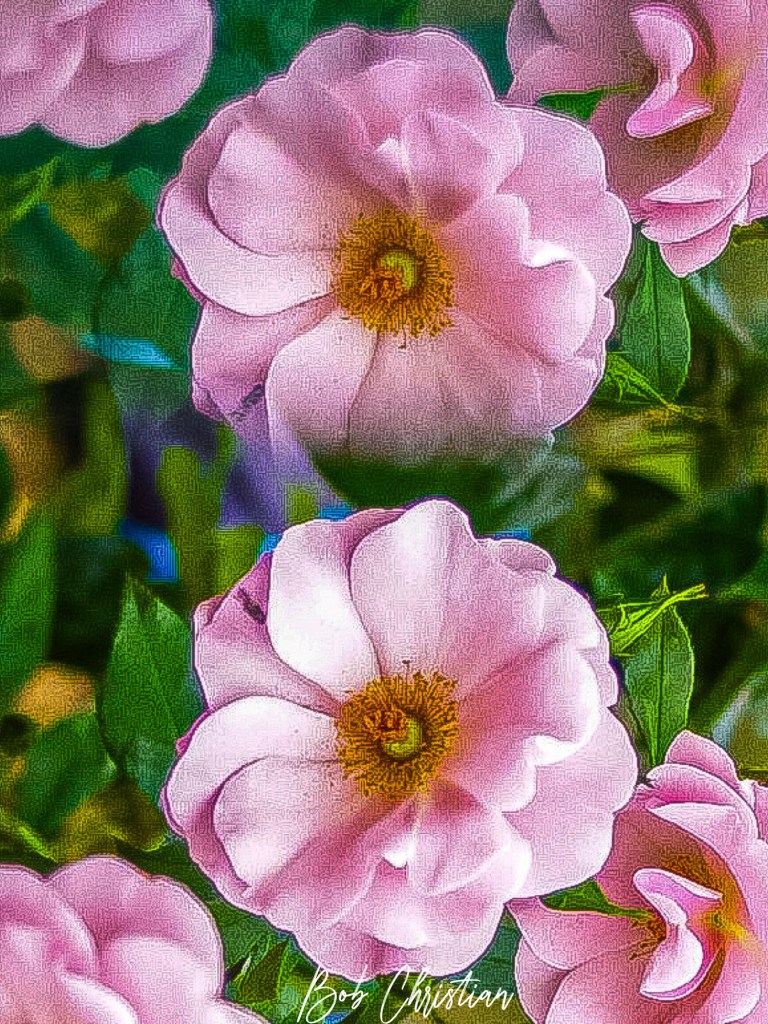
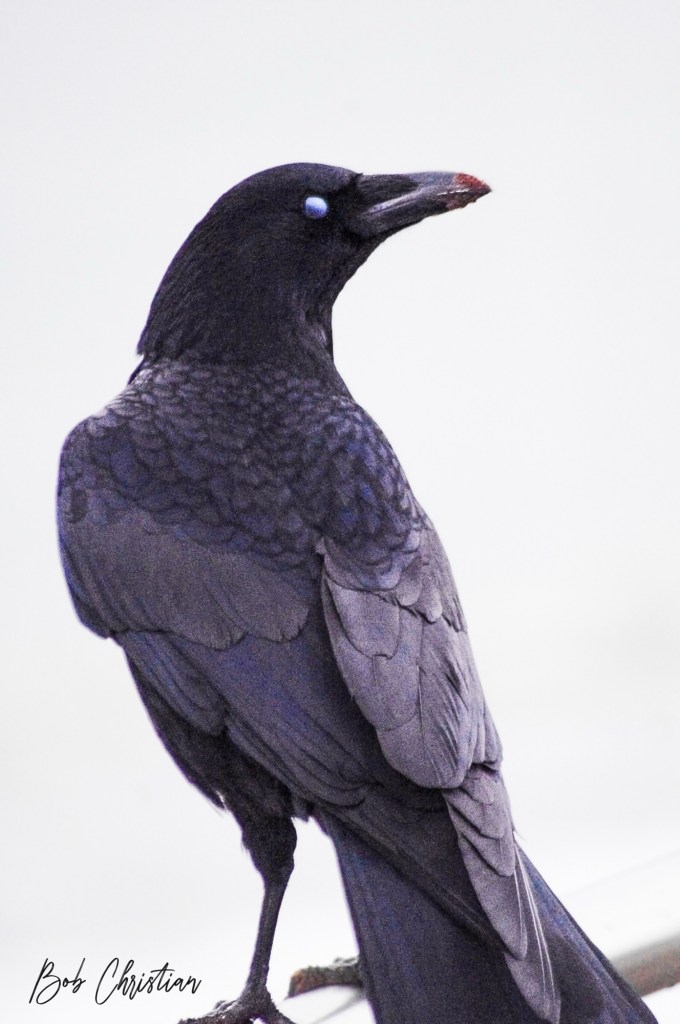
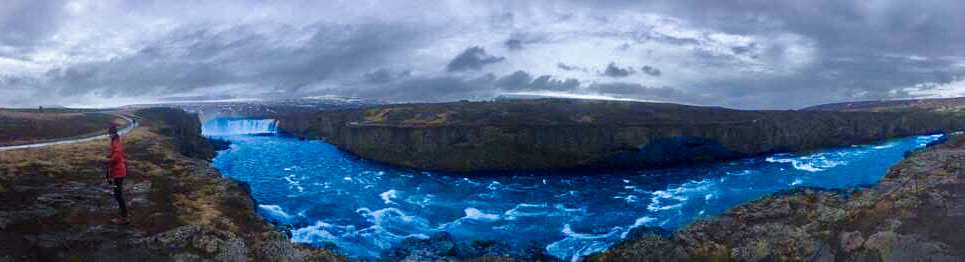
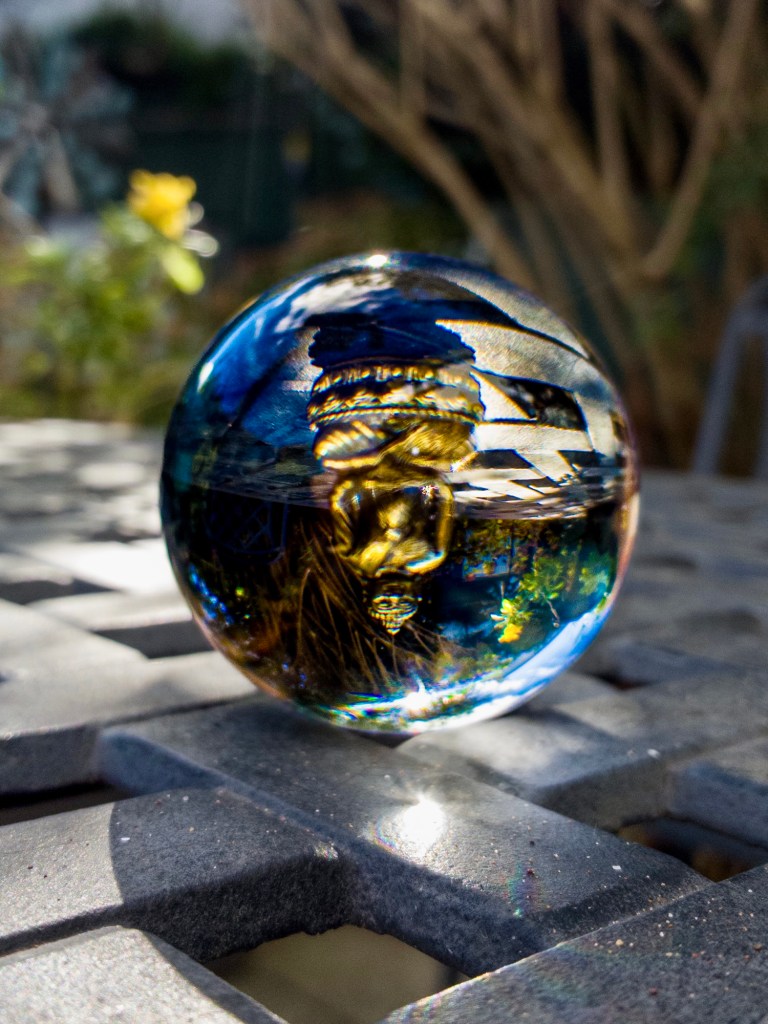
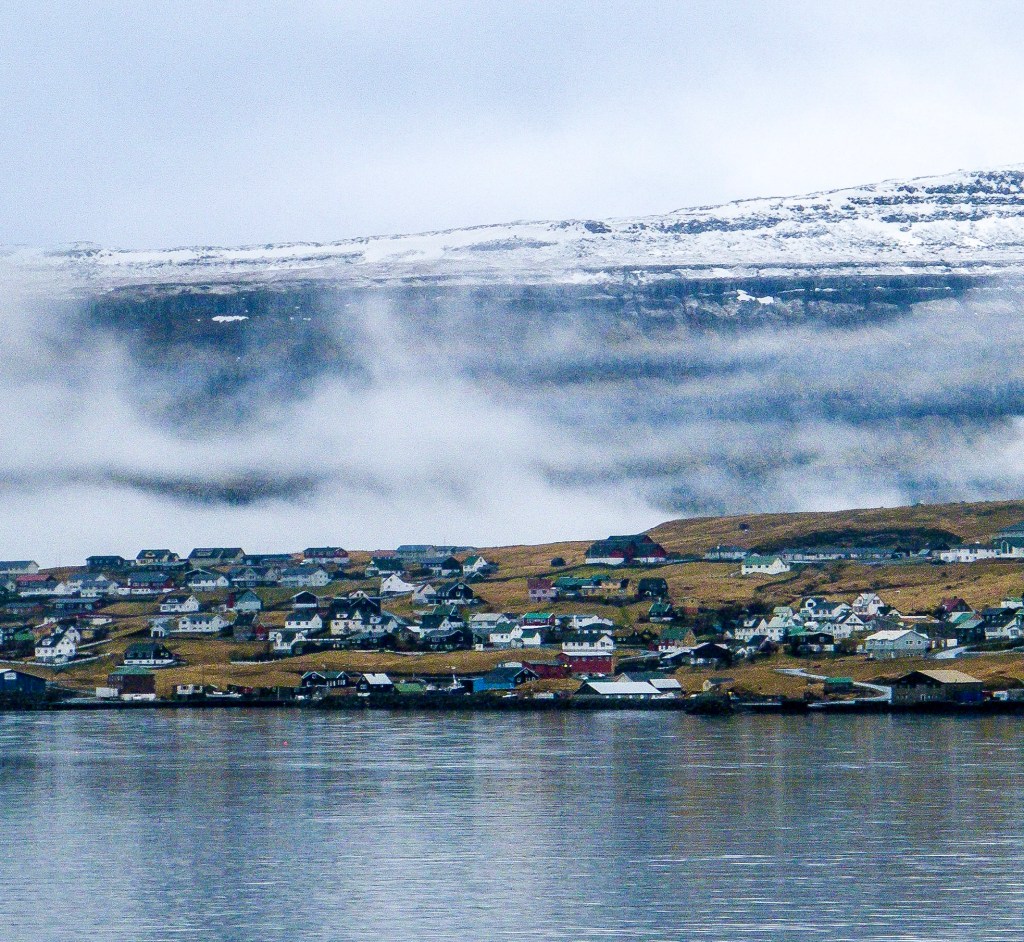
Totnes Castle (Totnes Times)Ruth Theodore Totnes Pride.Portrait of Howard Jones. (Sherree Valentine-Daines) The River Dart (Narnia) Roses (Mirror photography, DSLR)Raven (Paignton beach)
What’s one thing you know now that would have saved your younger self a lot of pain?
If there’s one thing I wish I could sit my younger self down and explain, over a decent brew, it would be this:
You don’t have to carry everything.
Not every injustice needs to be revisited. Not every wrong needs to be replayed in your head a thousand times. And not every person who hurt you deserves to occupy so much space in your life long after they’ve gone.
I spent far too much time holding onto anger.
Replaying conversations.
Thinking about what I should have said.
Wondering why people did what they did.
And, of course, imagining all the wonderfully satisfying things I could say if I ever got the chance to have that conversation again.
Funny thing is, most of those conversations never happened.
But I still carried the anger.
And who was it hurting?
Me.
The people and situations I was angry about weren’t necessarily giving me a second thought. Yet there I was, dragging the past around like an overpacked suitcase I couldn’t bring myself to put down.
It took me a while to understand something rather important.
Letting go doesn’t mean what happened was acceptable.
It doesn’t mean forgiving everyone, forgetting the lessons, or pretending an injustice never happened.
It simply means refusing to let yesterday dictate how you live today.
There’s a little wisdom in Buddhism that I wish I’d understood much earlier. We suffer when we cling too tightly to things, including our anger, our expectations and our need for life to have been different.
The past has happened.
We can learn from it. We can grieve it. We can even be bloody furious about it for a while.
But we cannot change it.
At some point, we have to decide whether we want to keep carrying it.
These days, I try to look at anger a little differently. I acknowledge it, ask myself what it’s trying to tell me, and then try to let it go.
Some days, I manage that better than others. I’m human, after all.
But I’m learning that peace isn’t about winning every argument or getting the apology you deserved.
Sometimes peace is simply deciding that your happiness is worth more than your resentment.
So, to my younger self, if I could pass on just one piece of advice, it would be this:
Feel what you need to feel. Learn what you can. Stand up for yourself when you need to.
But when the time comes, put the bloody suitcase down.
You’ve got places to go, people to love, and a life to live.
Ask ten people and you’ll probably get ten different answers. For me, it comes down to something rather simple: helping others, treating strangers with kindness, and trying to leave the world a little better than I found it.
Nothing revolutionary, is it? Although, given the state of the bloody world sometimes, you’d think kindness was a rare and endangered species.
But here’s the thing. Kindness isn’t weakness, and peace isn’t an inability to fight.
You can be compassionate without being a pushover. You can stand up for yourself and those you love without making aggression your default setting.
It’s why the idea of a demon hand and a Buddha heart resonates with me. Strength tempered by compassion. The ability to confront darkness without allowing it to dictate who you become.
I’ve been trained for war, but that doesn’t mean I want to spend my life fighting. Quite the opposite.
There’s a difference between being unable to hurt someone and having the capability to do so but choosing not to. One is a limitation. The other is restraint.
And restraint, in my opinion, takes a fair bit of strength.
We all have anger, pride and darker impulses. The question isn’t whether those feelings exist, but whether we allow them to control our actions. Just because somebody insults us doesn’t mean we have to respond. Just because we can win an argument doesn’t mean we should have it.
Sometimes, walking away is the strongest thing you can do. Not because you’re frightened, but because your peace of mind is worth more than having the last bloody word.
So, what makes someone a good person?
Not perfection. I’ve yet to meet anyone who has that particular trick figured out.
It’s about trying. Helping when you can. Admitting when you’re wrong. Apologising when you’ve hurt someone. Standing up for those who need it, setting boundaries when necessary, and having the courage to change your mind when life proves you wrong.
We can’t control how others behave, but we can take responsibility for how we respond.
For me, that’s the balance:
It’s known as Demon hand, Buddha heart. Strength without cruelty. Compassion without helplessness. Peace without pretending the world is always peaceful.
I don’t have to be harmless to be kind, weak to be gentle, or blind to the world’s darkness to choose not to add to it.
I can walk a path of peace while being prepared for war. But above all, I can choose to lead with my heart.
Will that change the world overnight? Probably not. I’m not that bloody optimistic.
But if we all made a little more effort to choose kindness over contempt, restraint over retaliation, and understanding over hatred, perhaps we’d make this place a little easier to live in.
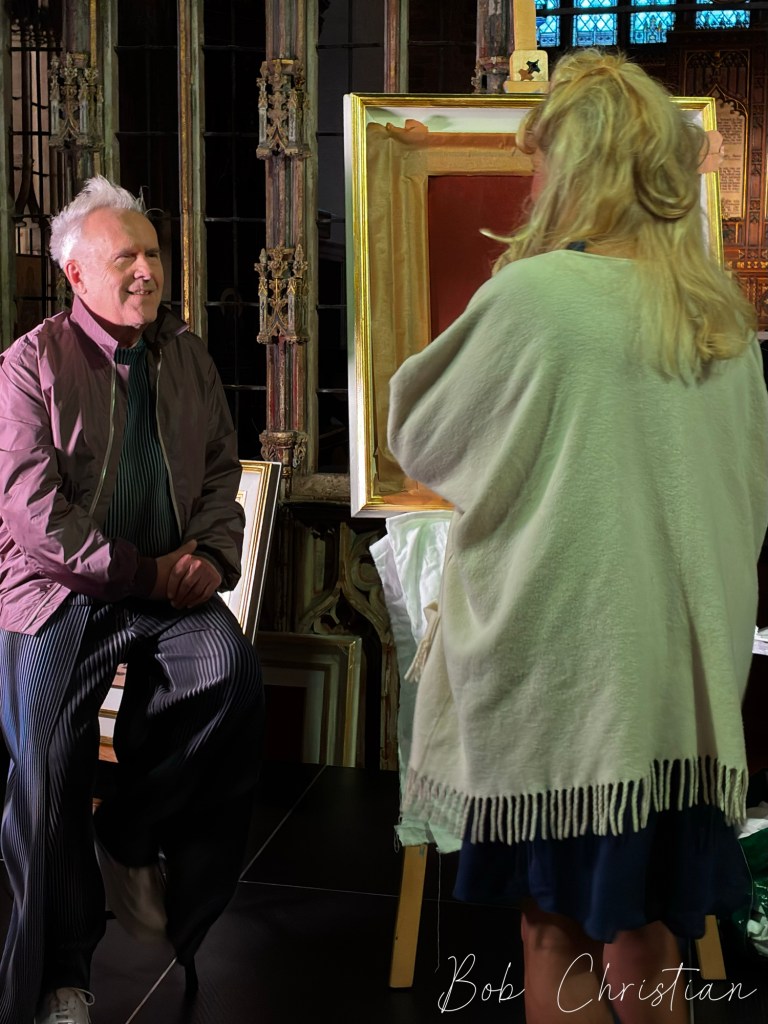
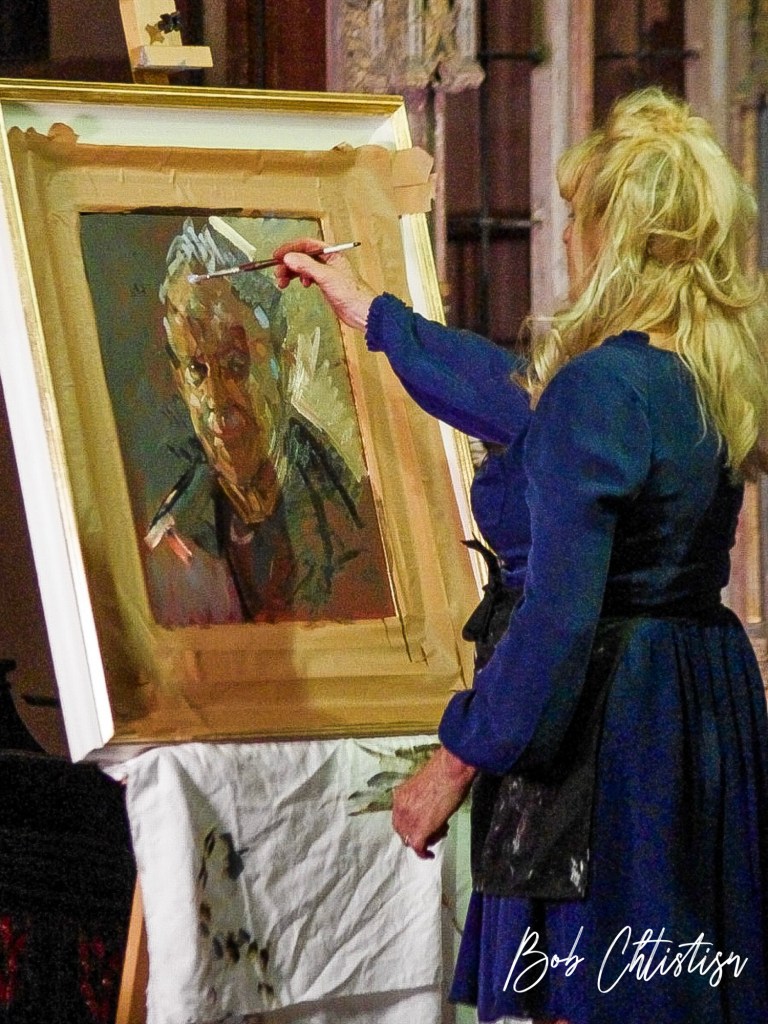
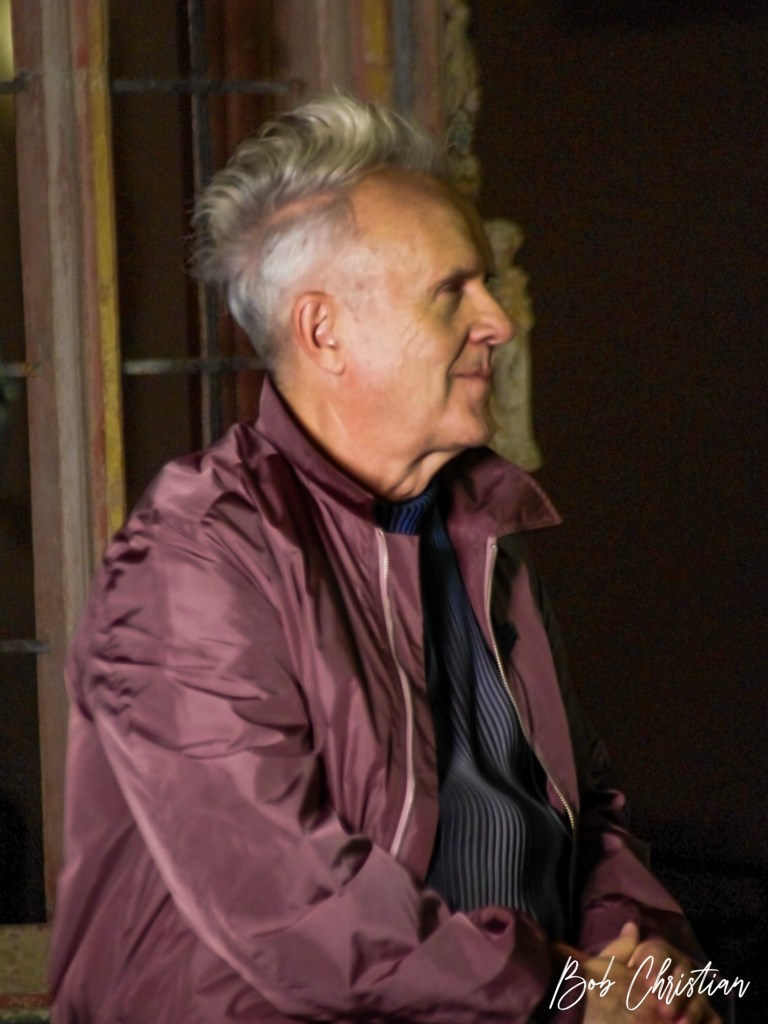
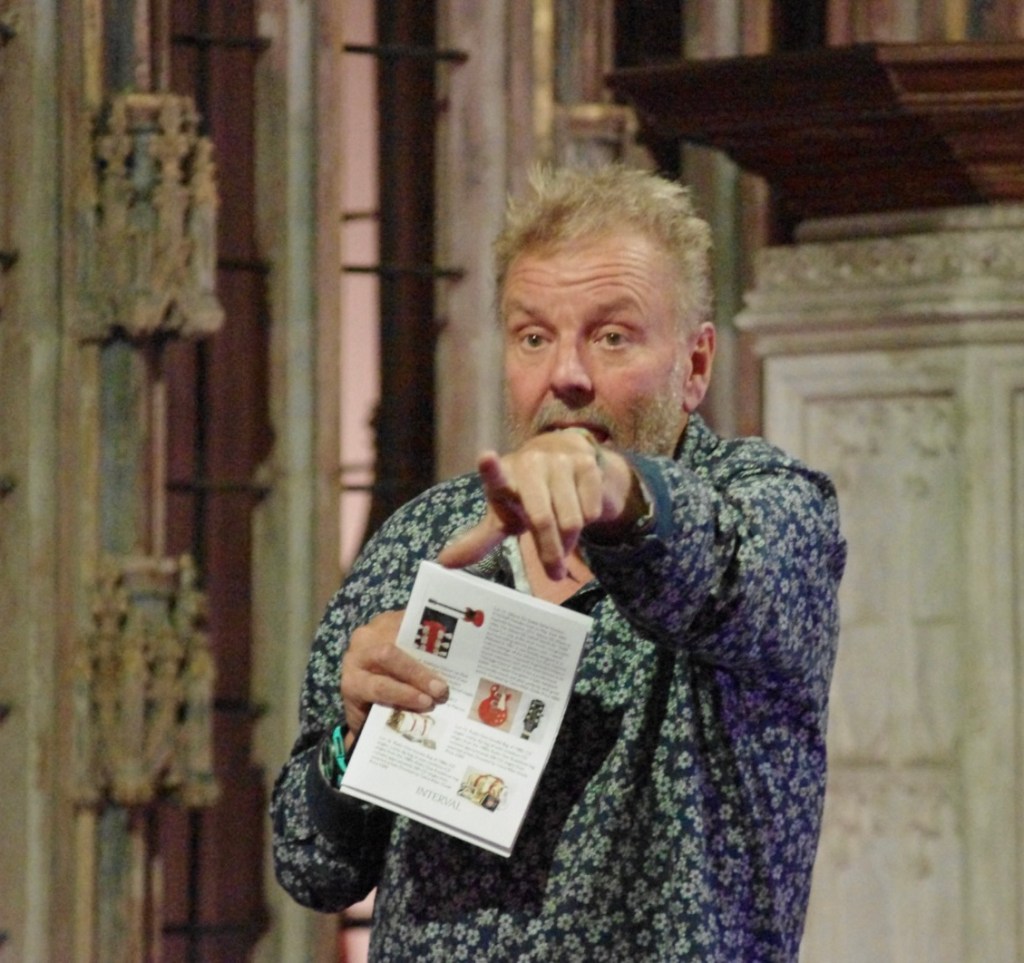
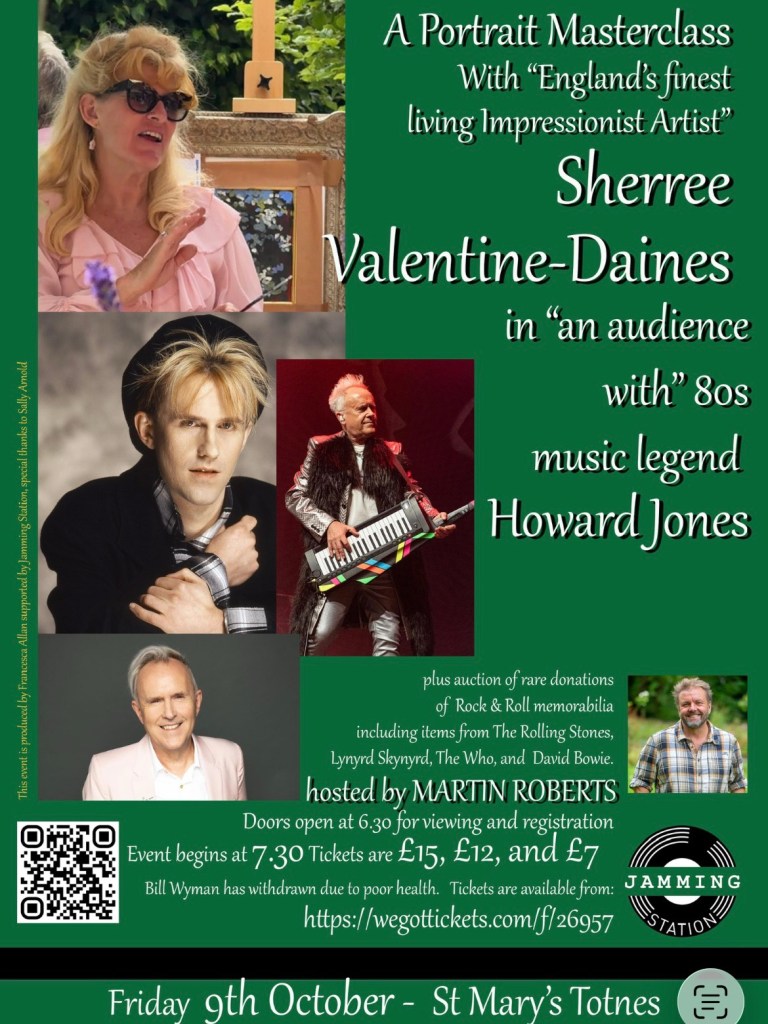
Last Friday, I had the good fortune to photograph the legendary singer songwriter Howard Jones at a fundraiser at St Mary’s Church in my hometown. The event was in aid of The Jamming Station, a local organisation doing some wonderful work with youth music.
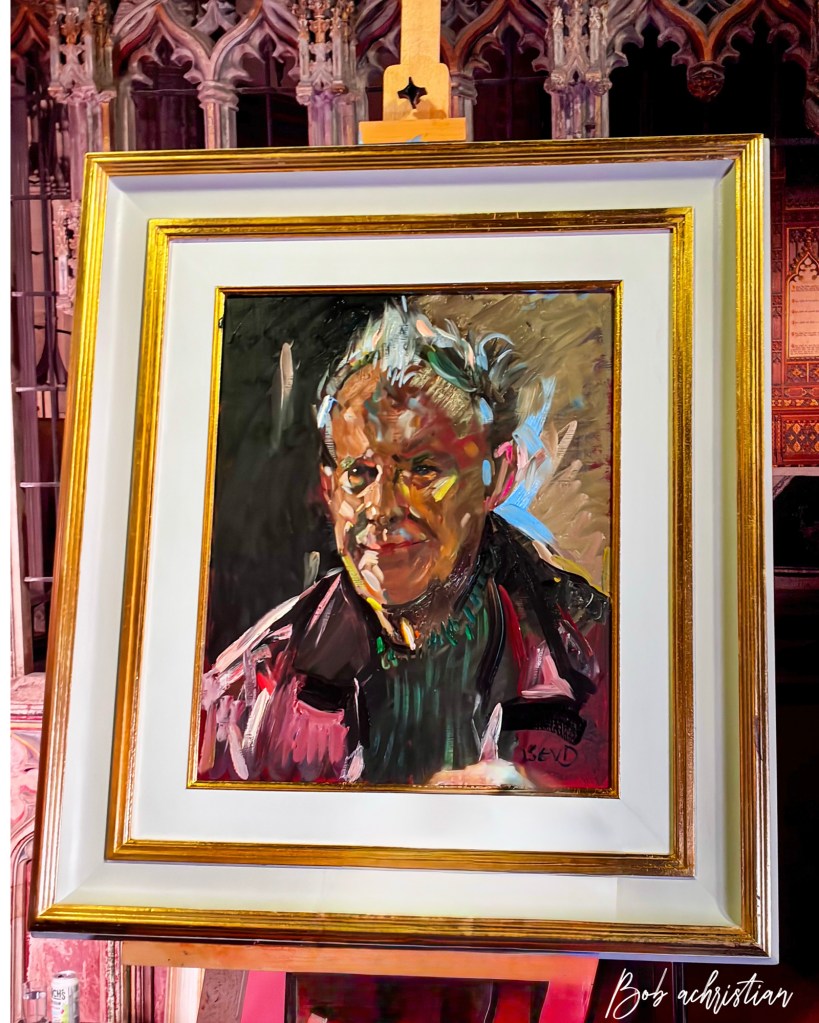
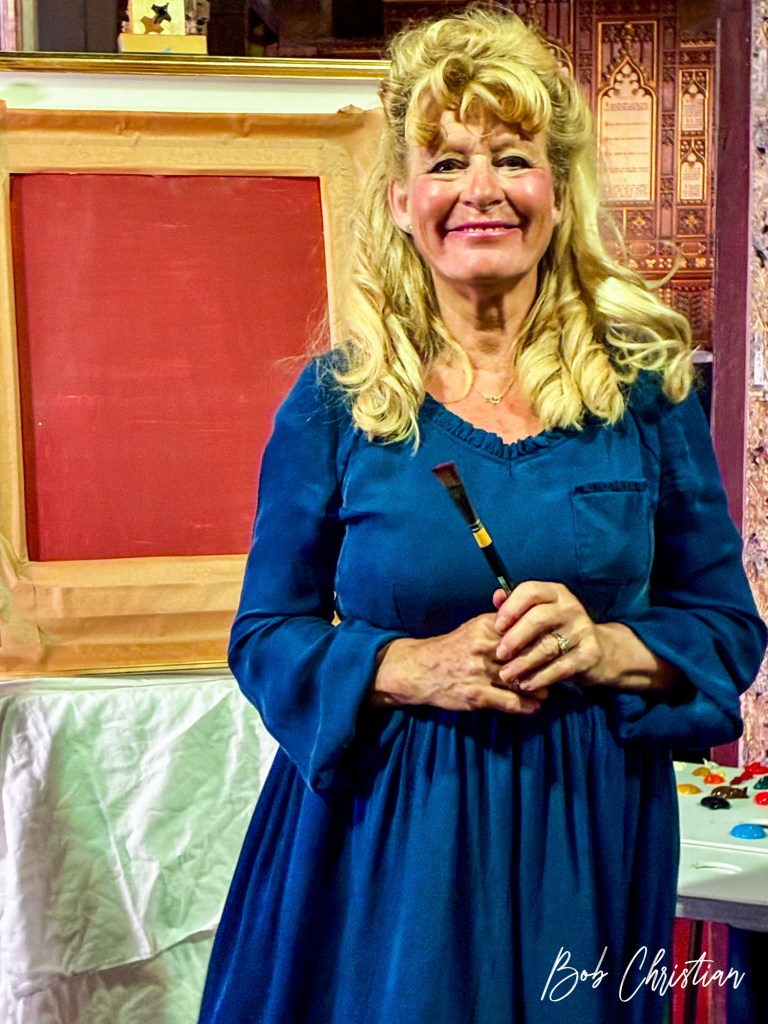
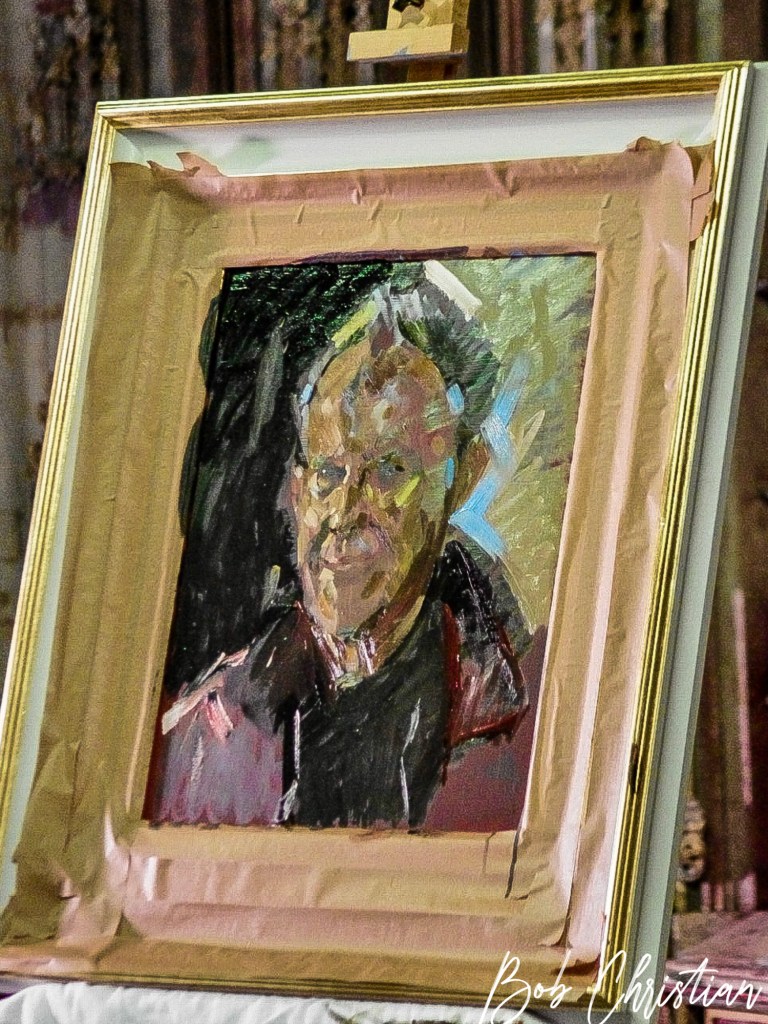
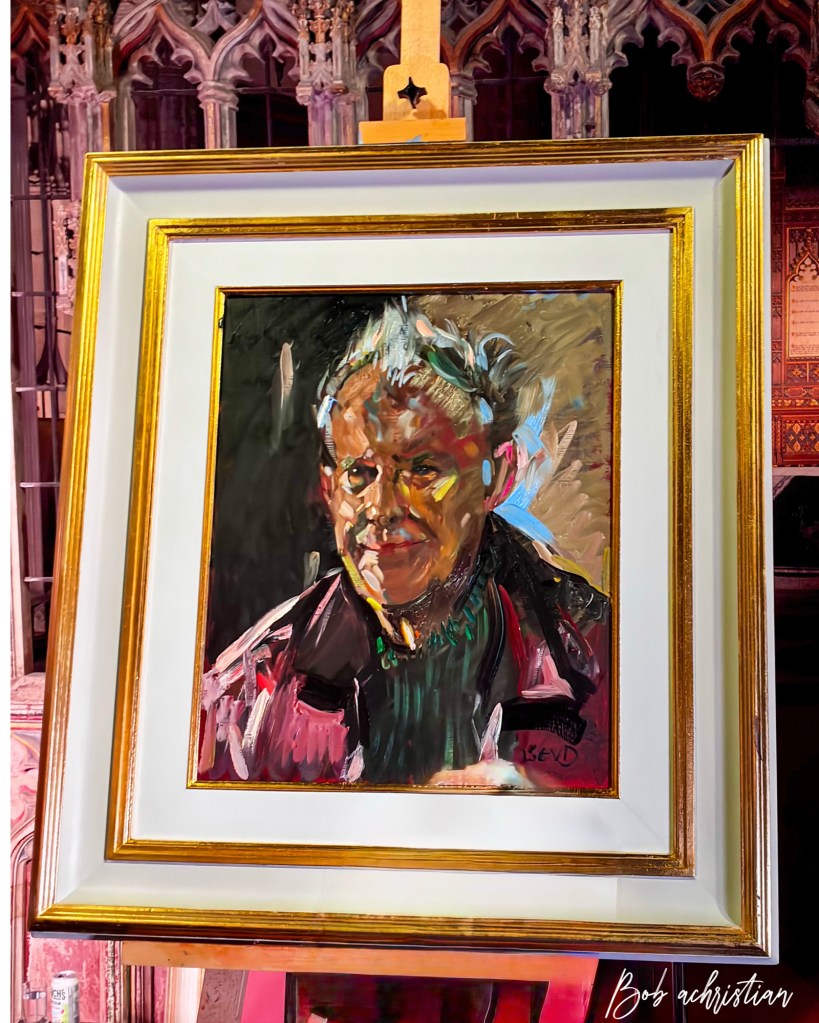
Howard was being painted live by the hugely talented Sherree Valentine-Daines, with the finished painting later going under the hammer alongside some other rather interesting lots, with Martin Roberts.
I had a lovely time, met some lovely people, and got some shots I’m really pleased with. I also managed to give the floor at St Mary’s a fairly thorough workout in the process. Sorry about that!
And, of course, I couldn’t resist a cheeky selfie with Howard Jones. Mrs Bob is a big fan, and as she couldn’t make it along, I thought I’d better return home with some photographic evidence. It’s the least I could do, really.
Stay safe Bc
Sherree Valantine-DainesHoward Jones & S V-DHalf timeHoward JonesHoward JonesMartin Roberts The finished portrait
This week’s Sunday snaps is dedicated to Mrs Bob, my travel companion on this journey. She’s been a rock for me this week, and I can’t thank her enough.
I think this last week has probably been the pinnacle of my 2026 journey.
But before we get into that, let’s rewind a little.
At the start of the year I spotted an advert on Instagram looking for volunteer photographers for Torbay Pride.
Now, being me, I thought…
Why not?
So I threw my hat into the ring.
Somehow, they said yes.
And suddenly I found myself being one of the volunteer photographers for Torbay Pride.
My first proper photography gig.
And I bloody loved it.
Something had happened.
That little spark had caught light.
So when my hometown of Narnia announced its own Pride in July, I did what any sensible person would do.
I sent them a cheeky email asking if they needed a photographer.
Apparently, nobody had thought of that.
So, by a mixture of enthusiasm, timing and possibly nobody else putting their hand up, I became the official Pride photographer.
Which brings us to last week.
Totnes Pride.
Another fantastic day. Another camera full of photographs. Another reminder of just how much I love doing this.
And then came the inevitable bit.
The bit where I sat down afterwards and started looking through hundreds of photographs.
Yes, they were in focus.
Yes, they were clear.
But…
Did they have that something?
Probably not.
And when you combine that with a healthy dollop of imposter syndrome and failing to score in a poetry competition, it’s fair to say I was being a little hard on myself.
Then Friday happened.
One of the Pride volunteers contacted me.
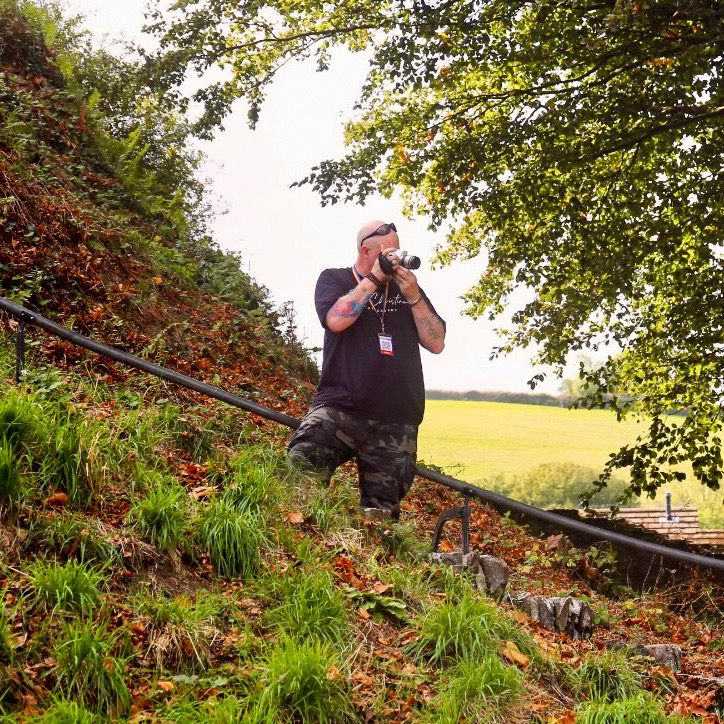
She sent me a lovely photograph of me in action with my camera.
Then came the unexpected bit.
She was looking for a volunteer photographer to photograph 80s music legend Howard Jones while he had his portrait painted, followed by an auction raising money for a local youth music charity.
Would I be interested?
Well…
Yes.
Obviously.
I didn’t even need to think about it.
More experience.
More hours behind the camera.
A chance to build my portfolio.
And, quite frankly, an excuse to take photographs.
What’s not to like?
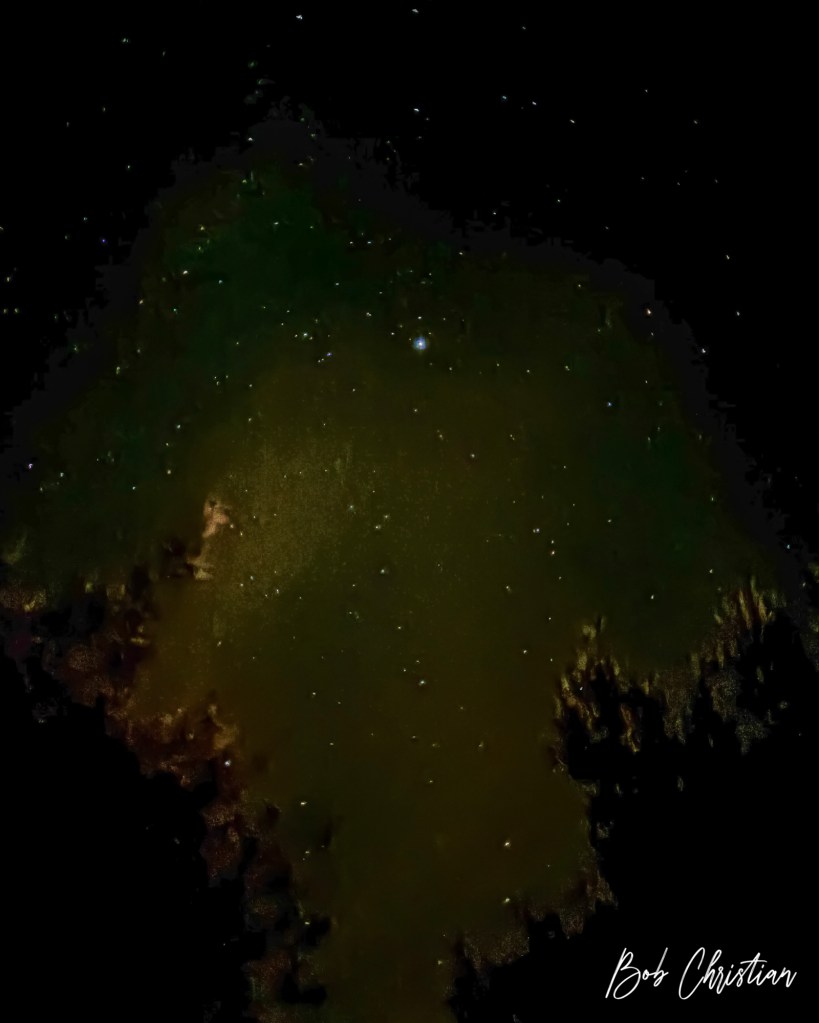
Then, as if the universe was trying to make its point, some of my astrophotography started producing some rather lovely results too.
And suddenly that slump didn’t seem quite so deep.
Perhaps I’d just forgotten something fairly obvious.
I’m still learning.
I’m still finding my eye.
Not every photograph is going to be the photograph.
And that’s okay.
You take the next one.
You learn.
You keep going.
Sometimes you just need to stop judging the last frame long enough to notice that you’re already holding the camera for the next one.
And maybe there’s something to be said for simply being there for that moment, rather than worrying too much about what comes afterwards.
Anyway…
The camera’s charged.
There are more photographs to take.
And apparently, I’ve got a portrait of Howard Jones to go and shoot.