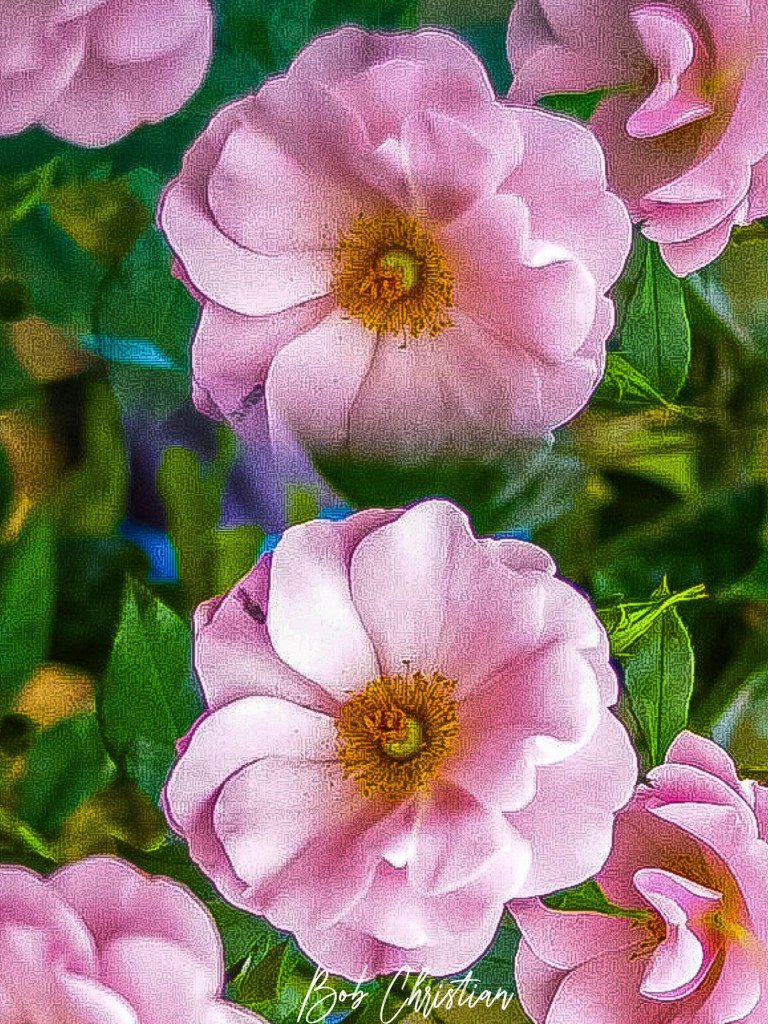
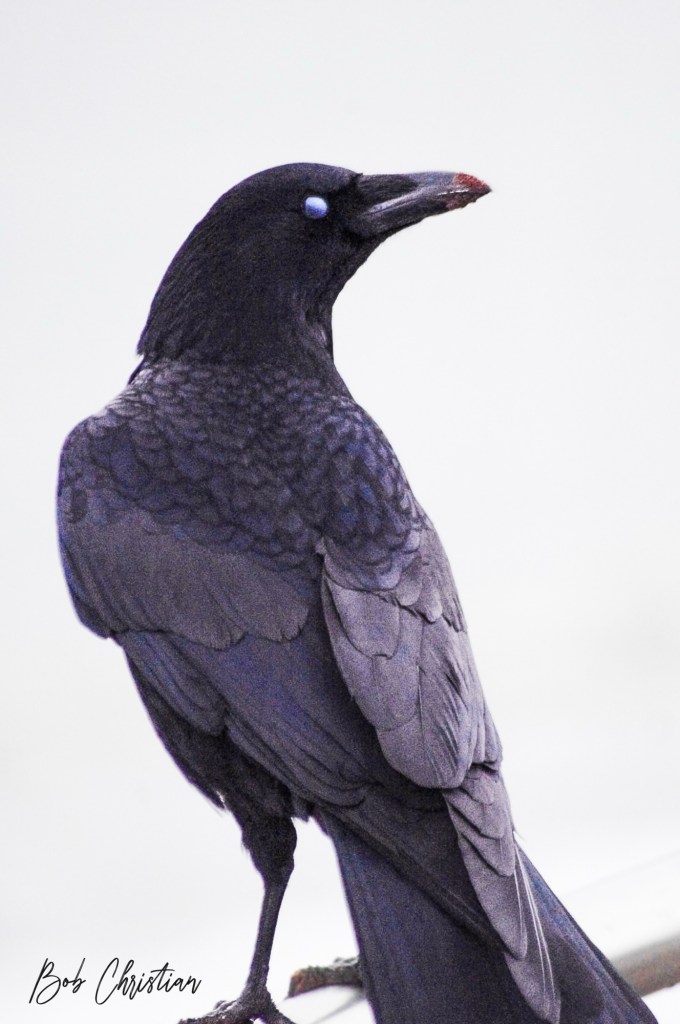
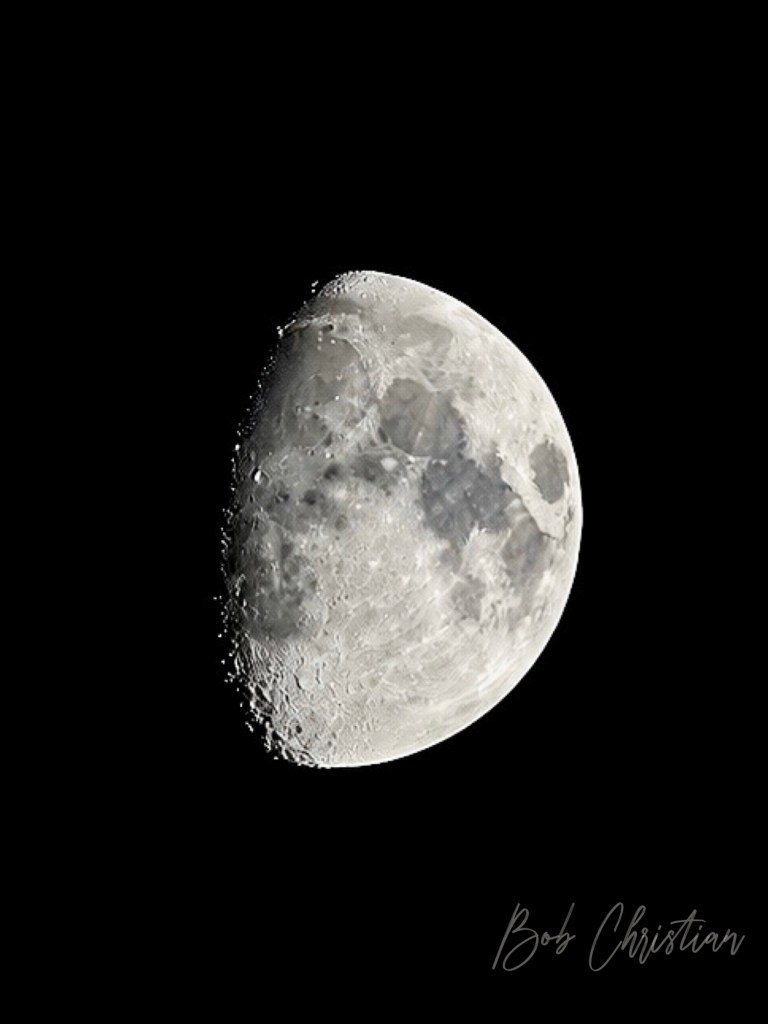
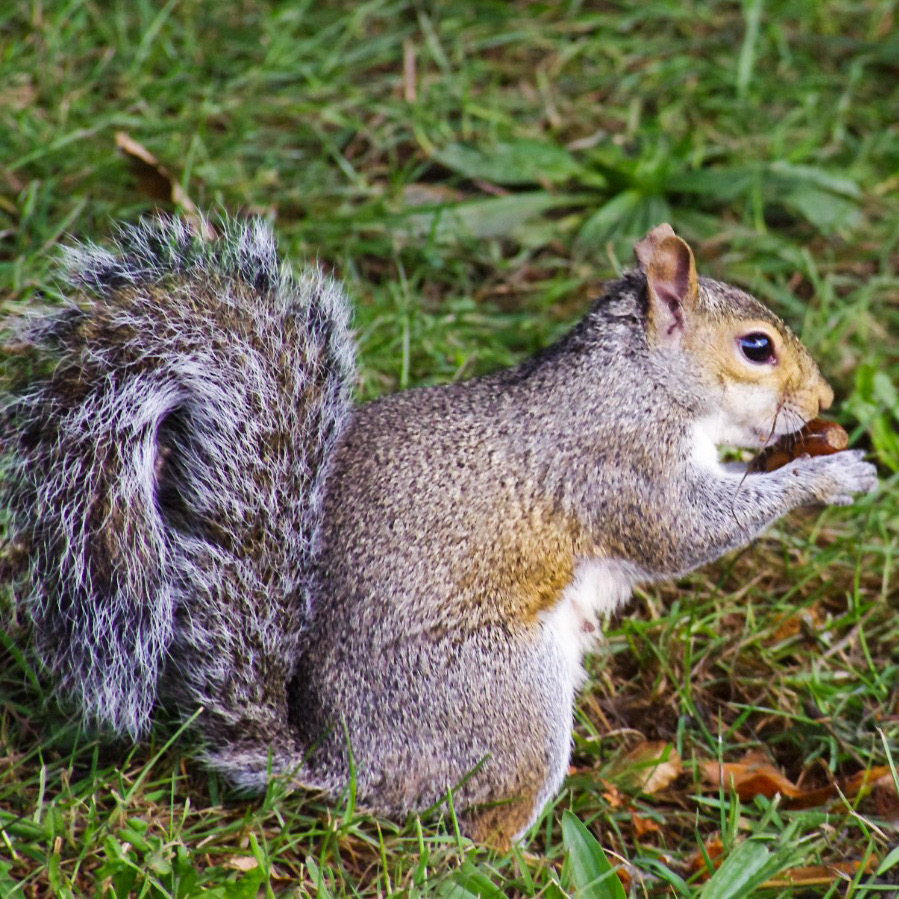
Share a few recent shots from your camera roll, no context needed.
Between my DSLRs and various other cameras, these pictures come from a bit of a collection.
Different cameras, same passion.
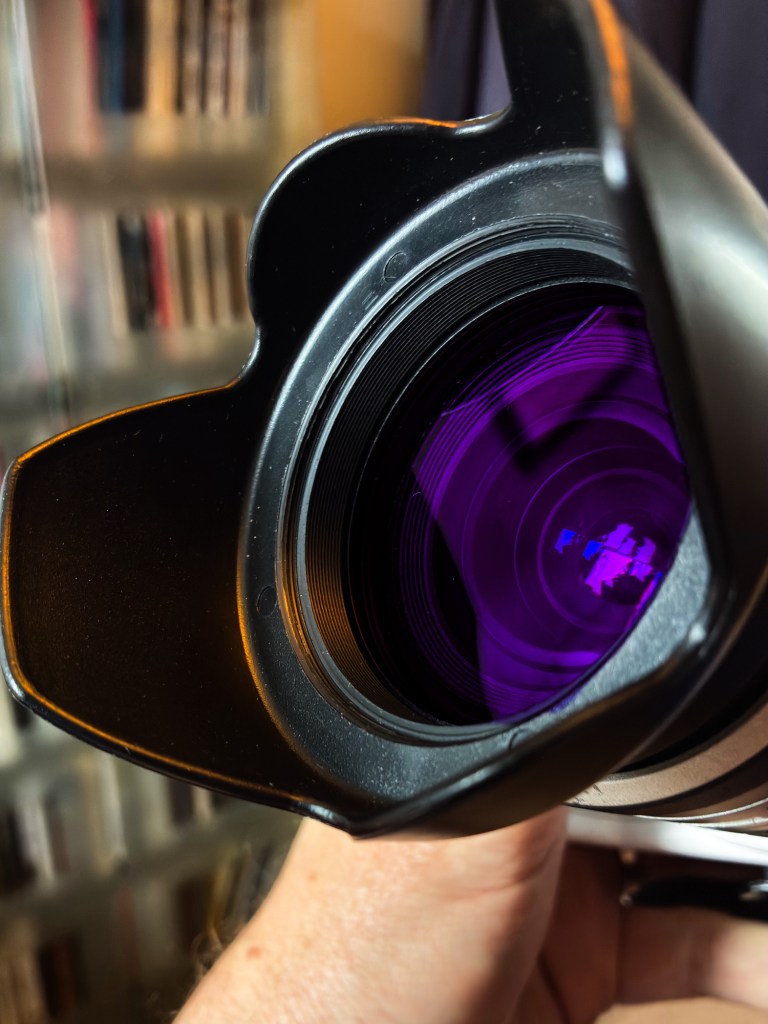
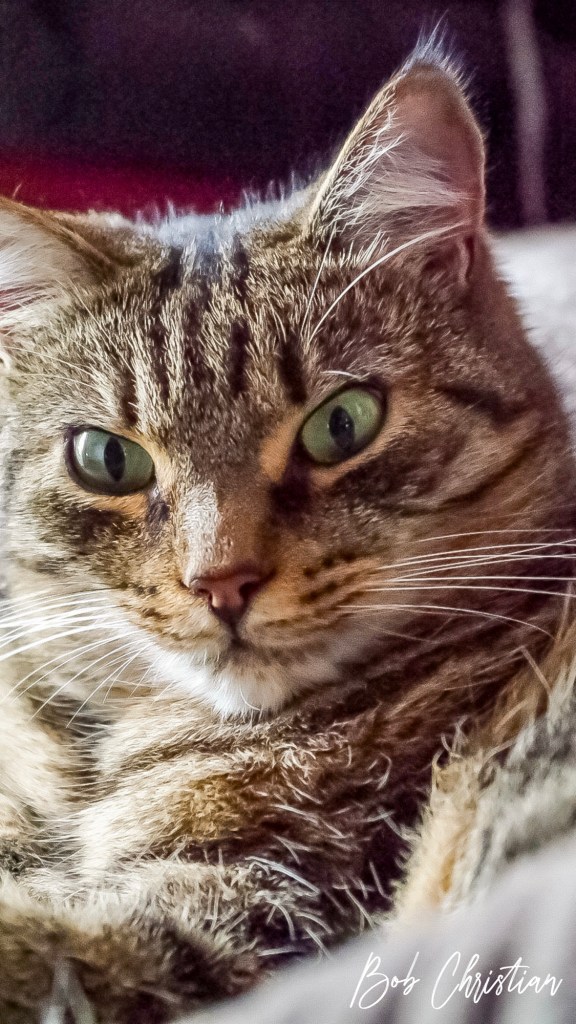
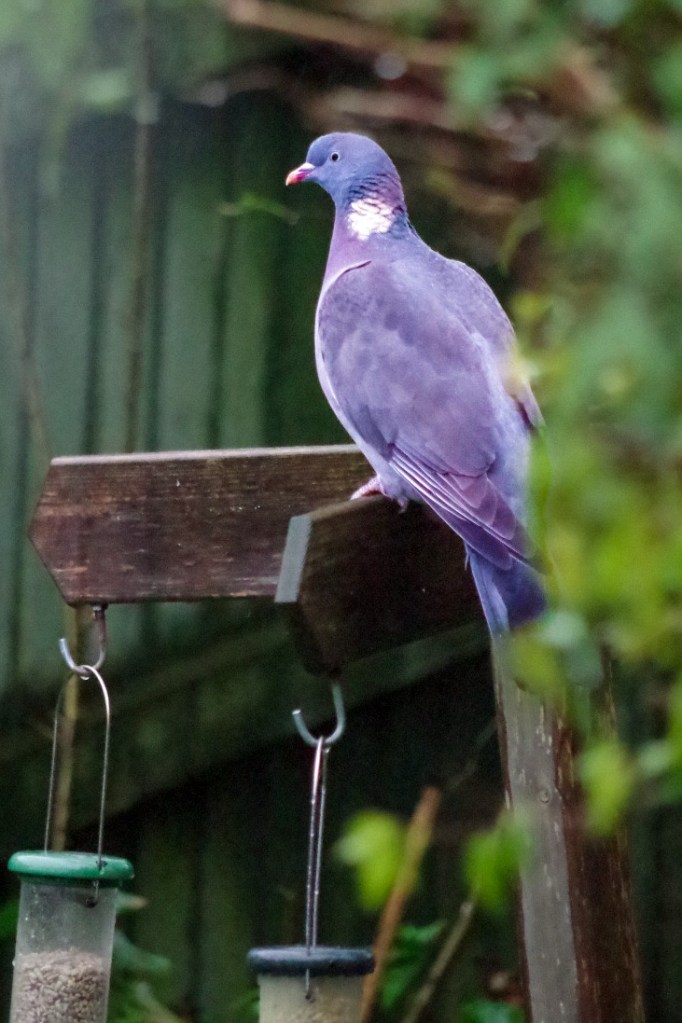
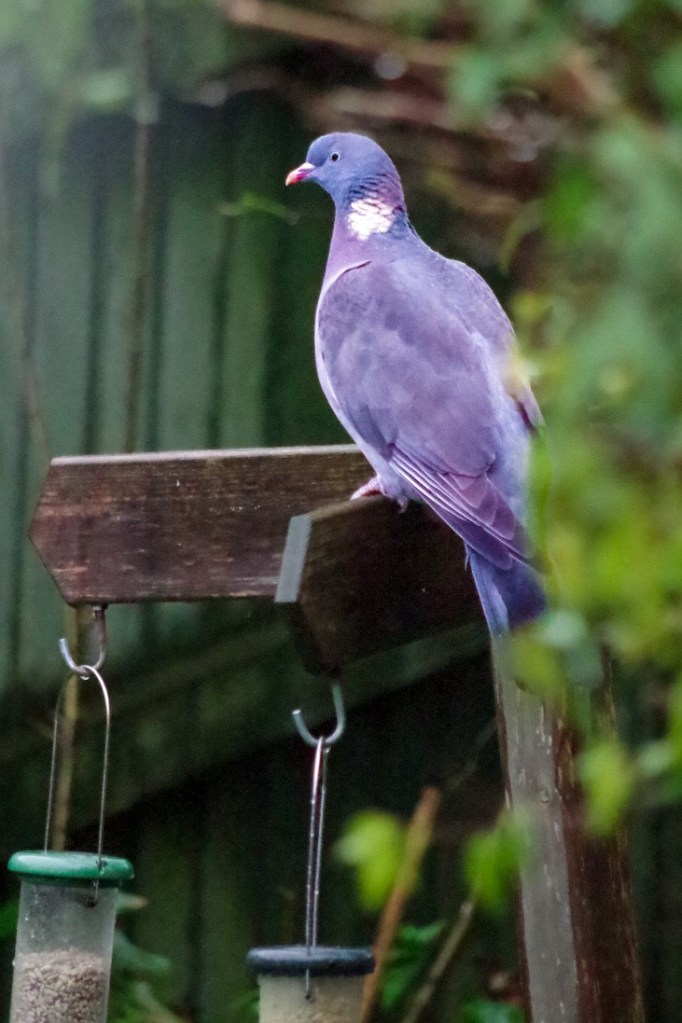
Steve the pigeon
Share a few recent shots from your camera roll, no context needed.
Between my DSLRs and various other cameras, these pictures come from a bit of a collection.
Different cameras, same passion.
Steve the pigeon
What’s one thing you own that holds deep sentimental value?
It’s funny, isn’t it?
We live in a world where we’re constantly being told that things have value.
Antiques are valued by their age.
Jewellery by the materials it’s made from.
Houses by the price someone is willing to pay for them.
And yet, some of the things we treasure most wouldn’t fetch a penny at an auction.
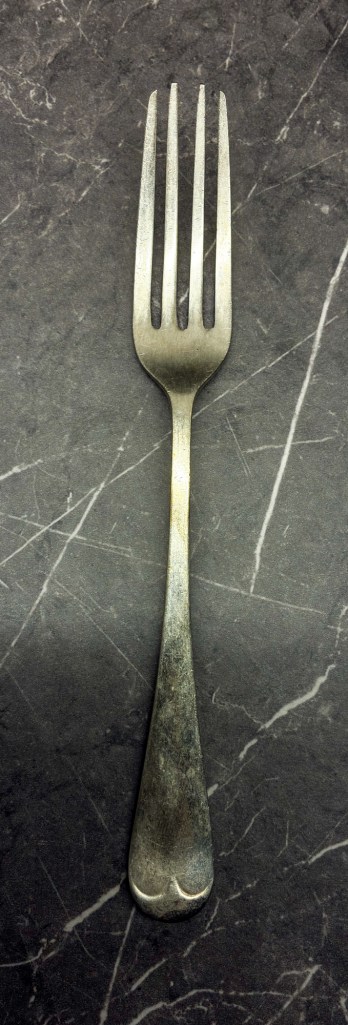
For me, it’s a fork.
Yep. A fork.
Not an antique silver one with some fancy engraving. Not something that’s been handed down through generations of royalty.
Just an ordinary, everyday fork that belonged to my maternal grandmother.
Except, to me, it’s anything but ordinary.
You see, my grandmother used this fork so much over the years that the prongs had gradually worn away. Think about that for a moment.
Years of meals.
Years of sitting down to eat.
Years of everyday life.
Until something as simple as a fork began to show the passage of time.
There’s something rather lovely about that, I think.
We tend to remember the big moments in life. Birthdays, weddings, Christmases, family gatherings. The occasions when everyone comes together and photographs are taken.
But life isn’t made up entirely of those moments.
Most of it happens in between.
It happens around kitchen tables.
Over cups of tea.
During ordinary meals, when nobody is doing anything particularly remarkable and nobody realises they’re making memories.
And perhaps that’s where some of our most precious memories are made.
Not in the extraordinary moments, but in the ordinary ones we never think to treasure until they’re gone.
When my grandmother passed away, we had the difficult task of clearing out her house.
Anyone who has ever done that will understand what I mean.
Every cupboard, every drawer, every little collection of things brings its own memories. You find objects that have been there for years, things you’d forgotten about, and things that suddenly make you stop what you’re doing.
Because they’re not just things anymore.
They belong to someone.
They remind you of someone.
And sometimes, they bring a little piece of that person back into the room.
That’s what happened with this fork.
I rescued it while we were clearing the house.
I couldn’t tell you exactly what went through my mind at the time. Perhaps I simply couldn’t bear the thought of it being thrown away. Perhaps, somewhere inside me, I knew that this battered old piece of cutlery meant more than its appearance suggested.
Whatever the reason, I kept it.
And I’m glad I did.
Financially, it’s probably worth absolutely bugger all.
You certainly wouldn’t find an antiques dealer fighting over it.
But that’s the thing about sentimental value, isn’t it?
It doesn’t come with a price tag.
Nobody else needs to understand why something matters to you. Nobody else has to see what you see when you look at it.
They might see an old fork with worn-out prongs.
I see my grandmother.
I see the years of use.
I see the everyday life that happened around it.
And I’m reminded that the people we love leave traces of themselves behind in the most unexpected places.
Not always in photographs or letters.
Sometimes in the things they used every single day without giving them a second thought.
Perhaps that’s why I find it so difficult to think of this fork as just an object.
It has survived years of ordinary life, and when my grandmother was no longer here, it became something I could hold onto.
No, it can’t bring her back.
I know that.
But it connects me to her in a small, tangible way. It reminds me that she was here, that she lived, and that her life was made up of all those little everyday moments that we so often take for granted.
And I think there’s something comforting about that.
We spend so much time worrying about what we’ll leave behind.
Our possessions.
Our achievements.
Our money.
The things we hope people will remember us for.
But perhaps our real legacy is much simpler.
Perhaps it’s the memories we leave in the minds of the people we love.
The little things we do.
The everyday moments we share.
The ordinary objects that, long after we’re gone, somehow become extraordinary.
So, if you asked me what one thing I own holds the deepest sentimental value, my answer would be this battered old fork.
It isn’t worth anything financially.
It isn’t beautiful.
It isn’t rare.
But it belonged to my grandmother, and that makes it precious to me.
Because sometimes, the things worth the most are the things money could never buy.
And if that isn’t a lesson worth remembering, I don’t know what is.
Stay safe,
Bc
What’s one piece of travel advice you always follow?
If I had to give just one piece of travel advice, it would be this.
Make an effort to learn a little of the local language and culture before you go.
Notice I said a little.
I’m not suggesting you need to complete a university degree in linguistics before booking your flights. Nor am I suggesting you need to arrive sounding like you were born in Oslo or Reykjavik.
Trust me, I’ve tried.
Norwegian and Icelandic have both featured on my list of languages I’ve attempted to get my head around. How successful have I been?
Well, let’s just say I probably made a bit of a pig’s ear of it.
But that’s not really the point, is it?
The point is that you try.
There’s something rather lovely about making the effort to say hello, please, thank you, or even attempting to order something without completely butchering the pronunciation.
Although, in my case, butchering the pronunciation is probably a distinct possibility.
Still, most people appreciate the effort. You’re showing them that you recognise their country is more than a backdrop for your holiday photographs. It’s their home. Their culture. Their history. Their everyday life.
And you’ve taken a little time out of your own life to understand it.
That matters.
Of course, learning a few words is only part of it.
Take the time to understand local customs, too. Find out what’s considered polite, what might cause offence, and how people go about their daily lives. Try the local food. Visit somewhere beyond the obvious tourist attractions. Listen to people when they tell you about their home.
You might discover something wonderful.
Or you might discover that the local delicacy isn’t quite to your taste.
It happens.
But at least you tried.
I think we sometimes forget that travelling isn’t just about seeing places. It’s about experiencing them, even if only for a short time.
And you don’t need to be fluent to do that.
You don’t need perfect grammar, an impressive vocabulary, or the ability to hold a philosophical debate over dinner.
You just need a little curiosity, a bit of humility, and the willingness to look slightly silly now and then.
Which, given my attempts at Norwegian and Icelandic, is something I can manage quite comfortably.
So, if you’re heading abroad, learn a few words. Read a little about the culture. Be respectful. Be curious. And don’t be afraid of getting it wrong.
Because the locals might not remember your accent.
They might not remember your name.
But there’s a good chance they’ll remember that you tried.
And sometimes, that small effort makes all the difference.
Stay safe,
Bc
What was your first ever videogame?
There’s a question guaranteed to send anyone of a certain age spiralling back into the mists of time, when gaming meant a television, a cassette player, a rubber-keyed computer and an almost religious belief that, if you waited long enough, something would eventually happen.
What was your first ever videogame?
For many of us, the answer was probably Horace Goes Skiing. Or perhaps it was one of those games you spent hours typing into a Sinclair ZX Spectrum 48K, carefully copying lines of code from a magazine, desperately hoping you hadn’t missed a comma, a number or one of those mysterious little symbols that could bring the whole thing crashing down.
Either way, getting to the actual game was an adventure in itself.
If you were lucky enough to own a Spectrum, you’ll remember the ritual. You connected the cassette player, typed LOAD "", pressed Enter and hit Play. Then you waited.
And waited.
And listened to that extraordinary electronic noise that sounded like a robot having an argument with a fax machine.
There was always that moment when you wondered whether it was working. Was the volume too high? Too low? Had the tape stretched? Was the computer about to reward your patience, or were you going to have to rewind the cassette and start all over again?
You could make a cup of tea in the time it took some games to load. You could probably make the tea, drink it and wash the cup before the title screen appeared.
And heaven help you if the game failed at 99%.
That wasn’t a minor inconvenience. That was a personal tragedy.
Enter Horace
For those of us who remember him, Horace Goes Skiing was a classic of its time. Released in the early eighties, it offered the chance to guide our unfortunate hero across a busy road, hire his skis and head for the slopes.
Simple enough, you might think. Except that crossing the road was a challenge in itself, and every unfortunate collision ate into Horace’s limited funds. You could spend more time trying to reach the ski hut than actually skiing.
It was maddening. It was addictive. And when you finally got going, it felt like you’d achieved something genuinely worthwhile.
Which, in fairness, you had. You’d survived the loading process, mastered the controls and negotiated a road system that would have given the average driving examiner nightmares.
And if you crashed? Well, you had another go.
There was no hand-holding, no friendly tutorial explaining what to do next, no convenient checkpoint waiting just around the corner. You learned by playing, failing and playing again. Sometimes you learned by shouting at the screen.
Mostly, you learned that trees were not your friends.
The Games We Built Ourselves
Of course, not everyone had a cassette with a shiny label and proper instructions.
Some of us had a magazine, a keyboard and an unhealthy amount of optimism.
You’d sit there typing in a program, line after line, convinced you were doing something terribly clever. And you were, to be fair. The Spectrum was a wonderful little machine, and learning to make it do things felt a bit like having your own personal magic box.
But there was a catch.
One typo.
One missing line.
One misplaced character.
And suddenly, instead of a glorious new game, you had a screen full of error messages and an afternoon’s work to do all over again.
Still, there was something special about it. You weren’t just playing games. You were learning how they worked, even if you didn’t fully appreciate it at the time.
And when you finally got the thing running?
Blimey.
You’d practically invented the internet.
Well, not quite. But you know what I mean.
Here’s the thing that really strikes me when I think back to those early gaming days.
There were no save points.
You didn’t get to save your progress before the difficult bit. There was no autosave, no checkpoint, no helpful message telling you that your progress had been preserved.
If you ran out of lives, that was it.
If you switched the computer off, that was it.
And if Mum decided she’d had enough of the television being occupied and wanted to watch something else, well, your gaming career had just been terminated without consultation.
You started again.
And again.
And again.
We became remarkably good at accepting failure, dusting ourselves off and having another go. Perhaps that’s one of the things those old games taught us without us even realising it.
Although, in fairness, some of us also learned some rather colourful language.
I still think there’s something wonderful about those early games. Not because they were technically superior to what we have today, but because of what they represented.
They were new.
They were exciting.
They were ours.
We didn’t have online guides, walkthrough videos or somebody on YouTube explaining the entire game before we’d even loaded it. We figured things out ourselves, usually through trial and error, and occasionally through sheer bloody-minded determination.
Today, we have games with extraordinary graphics, enormous open worlds, cinematic storytelling and enough features to fill a small instruction manual.
And they’re brilliant.
But sometimes I wonder whether we’ve lost a little of that old magic.
That feeling of finally getting a game to load after half an hour of electronic screeching. That little thrill when you discovered how to get past a difficult section. That sense of achievement when you’d spent an entire afternoon trying to beat your previous score.
No downloads.
No day-one patches.
No subscription required to access your own memories.
Just a computer, a cassette tape and a few hours to spare.
And if the game crashed?
Well, you learned to live with disappointment.
Or you threatened to throw the Spectrum out of the window.
Usually both.
For me, the question isn’t simply which game came first. It’s about remembering a time when playing a videogame was an event in itself.
Maybe it was Horace Goes Skiing. Maybe it was Manic Miner, Jet Set Willy, or one of those home-coded adventures that took longer to type in than they did to play.
Perhaps your first game wasn’t on a Spectrum at all. Maybe it was an Atari, a Commodore 64, a BBC Micro or something else entirely.
Whatever it was, I’d wager you remember more about the experience than you do about the graphics.
Because those games weren’t just games.
They were afternoons spent with friends, arguments over whose turn it was, the frustration of losing your progress and the excitement of discovering something new.
And somewhere in the middle of all that, a generation of us became gamers.
Stay safe.
BC
Do you set personal goals for yourself?
Ah, goals.
Those things we’re apparently supposed to set ourselves so we can become more productive, more successful, and generally a better version of ourselves.
You know the sort of thing.
Attend a motivational seminar, buy a rather expensive notebook, write down your five-year plan, and spend the next twelve months feeling guilty because life got in the way.
Yeah… I’ve never really gone in for all that.
Don’t get me wrong, I admire people who set themselves goals and work hard to achieve them. If that’s your thing, crack on. Good for you.
It’s just never really been my cup of tea.
I’ve never been particularly interested in turning my life into a spreadsheet, complete with targets, deadlines, and little boxes to tick.
I’m a poet, a photographer, and a professional rambler. I spend a good deal of my time scribbling words, taking photographs, and generally following whatever creative rabbit hole happens to catch my attention.
And honestly?
I quite like it that way.
That doesn’t mean I don’t want to grow.
Of course I do.
I’d love to see my poetry reach more people. I’d love for my photography to find its way in front of a few more pairs of eyes. I’d love for the things I create to connect with somebody, somewhere, who might need them.
Who wouldn’t?
There’s something rather lovely about putting a little piece of yourself out into the world and discovering that somebody, somewhere, has connected with it.
Especially when that little piece of yourself started life as a few scribbles in your head.
But I’ve never felt the need to turn that desire into some grand, all-singing, all-dancing personal development programme.
No five-year plan.
No motivational posters telling me I can achieve anything if I just believe hard enough.
And absolutely no standing in front of a mirror at six in the morning, telling myself I’m going to conquer the world.
The neighbours would probably worry.
Besides, I’ve come to realise that life doesn’t always work according to plan. Sometimes things go brilliantly, sometimes they go spectacularly pear-shaped, and sometimes you spend an afternoon wondering what on earth you went into the kitchen for.
That’s life.
So, do I have a goal?
Well, I suppose I do.
Although calling it a goal might be stretching the definition somewhat.
At the end of every month, I have a little look at the number of interactions my creative work has received.
That’s it.
Nothing complicated.
My goal, if you can call it that, is simply to do as well as I did the previous month.
Not necessarily better.
Just the same would do nicely.
If the numbers go up, which they usually do, then that’s a lovely little bonus.
If they don’t?
I’m not going to beat myself up because a particular post didn’t reach as many people as the one before it.
Nor am I going to decide that my work has somehow become less valuable because an algorithm has had a funny five minutes.
After all, numbers can tell you how many people interacted with something.
They can’t always tell you what it meant to them.
And that’s an important distinction.
Because somewhere out there, somebody might read a poem of mine and feel a little less alone.
Somebody might look at a photograph and see something beautiful in an otherwise ordinary day.
Somebody might read one of these ramblings, have a little chuckle, or find a thought that stays with them long after they’ve closed the page.
I’ll probably never know about most of those moments.
And that’s okay.
I don’t need to.
If something I’ve created makes a difference to even one person, then there’s value in that which no monthly statistic can properly measure.
Perhaps that’s the thing about creativity.
You can spend hours worrying about reach, engagement, followers, likes, shares, and all the other things the internet has taught us we’re supposed to care about.
Or you can get on with creating things because you enjoy doing it, because you have something to say, or because sometimes putting words on a page is simply how you make sense of the world.
Personally, I’ll take the second option.
I’ll keep writing.
I’ll keep taking photographs.
I’ll keep sharing whatever happens to fall out of my head and onto the page.
And if more people find their way here along the way, then that’s wonderful.
But I’m not going to spend my life chasing a number.
Life’s a journey, after all.
And I’d rather enjoy the scenery than spend the entire trip staring at the satnav, worrying whether I’m getting there quickly enough.
Which brings me to something I really do want to say.
To those of you on the other side of this screen…
Thank you. Genuinely.
Whether you’ve been reading my scribbles for years or you’ve only stumbled across one of my ramblings today, I’m grateful you’re here.
Every comment, every like, every share, every message, and every moment you’ve taken out of your day to read something I’ve written means more than you probably realise.
I know the internet is a busy place. There’s an almost endless supply of things demanding our attention, and yet you’ve chosen to spend a little of your time here.
With me.
And that genuinely touches me.
I started writing because I had things I needed to get out of my head. Over the years, those scribbles have grown into something much bigger than I ever expected.
And the fact that other people have found something in them?
Well, that’s a rather lovely bonus, isn’t it?
So, no, I don’t have a grand plan for world domination.
I’m not aiming to become the next big thing.
I’m not sitting here plotting how to turn every waking moment into an opportunity for personal growth.
I’m just Bob.
An old soul with a head full of thoughts, a camera, a keyboard, and an apparently endless supply of things to ramble about.
I’ll keep doing what I do.
Creating, and keep putting my work out into the world.
And at the end of each month, I’ll have a little look at those numbers and see how things are going.
If they’re up, I’ll do an extra happy dance.
If they’re the same, I’ll be very happy.
And if they’re down?
Well, there’s always next month.
Because perhaps the point isn’t to keep setting bigger and bigger goals until we’re so busy chasing the next achievement that we forget to appreciate what we’ve already got.
Perhaps it’s about enjoying what we’re doing, appreciating the people who come along for the ride, and being grateful that we get to do it in the first place.
At least, that’s how I see it.
And once again, to everyone who reads, shares, comments, or simply stops by for a little while…
Thank you.
You’re appreciated more than you know.
Stay safe,
Bc
What’s something you’ve done that you never thought you could?
This one is very easy to answer.
In fact, I reckon I could probably give you two answers. Funny how life works out sometimes, isn’t it?
Around twenty years ago, I started writing poetry.
Well, poetry is probably what we’ll call it. Back then, I referred to them as my scribbles, and if I’m honest, that’s still a pretty good description of some of them.
I didn’t start writing because I wanted to be a poet. I wasn’t dreaming of seeing my name in magazines, winning awards, or having people read my words.
Nope.
I started writing because I needed to get the stuff in my head out of it.
My mental health was in a pretty rough place, and I needed a way to process the thoughts, emotions, and general chaos that I was struggling to make sense of. Writing became a form of therapy, a pressure valve, and eventually a way of understanding myself a little better.
It was never about being good enough for anyone else.
It was about trying to be okay.
As I kept writing, something unexpected happened. People started taking an interest in my words. I wrote a poem for a family member’s naming ceremony, and people began asking where I’d got it from.
When I told them I’d written it myself, they seemed rather surprised.
Truth be told, so was I!
Perhaps there was something in this poetry malarkey after all.
Fast-forward twenty years, and I’ve had my work published in magazines and books, written six books of my own, and even picked up awards for my poetry.
For a bloke who started writing just to try and keep his head above water never imagined that his words would find their way into print, let alone receive recognition.
I certainly didn’t set out with any of that in mind.
I was just trying to make sense of life, one scribble at a time.
And yet, somewhere along the way, those scribbles became something more.
They became my voice.
Then there’s the camera…
The second answer would obviously be photography.
I’ve always enjoyed taking pictures, but it was never something I thought of as a talent. When I got my first camera phone, I started snapping away at whatever caught my eye.
A bird. A landscape. Something interesting on a walk. Whatever took my fancy, really.
I wasn’t following some grand artistic vision. I wasn’t studying photography or worrying about aperture, shutter speeds, focal lengths, or any of those other technical things that proper photographers seem to know about.
I just liked taking pictures.
Still do, actually.
The difference is that people started noticing them.
Some of my photographs have been shared by local news outlets, which is something I certainly never expected when I first started pointing a phone at things and pressing a button.
And then there was the opportunity to photograph an event featuring Howard Jones.
Yes, THAT Howard Jones!
Genuine 80s pop royalty.
If you’d told me years ago that one day I’d be taking photographs at an event with someone whose music helped soundtrack an era, I’d probably have looked at you as though you’d been at the cooking sherry.
But it happened.
And that’s the thing about life. Sometimes you stumble into opportunities that you never even knew were possible, simply because you followed something you enjoyed.
No master plan. No five-year strategy. No carefully mapped-out career.
Just a bloke with a camera, taking pictures of things that caught his eye.
So what have I learned
I suppose the biggest lesson is that you don’t always need to know where something is going before you start.
Sometimes, you just need to begin.
You don’t have to be brilliant at something on day one. You don’t need qualifications, a grand ambition, or even the confidence to call yourself good at what you do.
Sometimes, you just need to give yourself permission to have a go.
For me, poetry started as a way of looking after my mental health. Photography started as a bit of fun.
Neither began with the intention of achieving anything spectacular.
And yet both have taken me places I never expected to go.
My poetry has been published, recognised, and awarded. My photographs have reached audiences I never imagined, and I’ve had opportunities that the younger version of me would probably have thought were beyond his reach.
Am I some sort of literary genius or photographic wizard?
Absolutely not.
I’m still learning. I’m still experimenting. I still write things that need a fair bit of work, and I still take photographs that don’t quite turn out the way I imagined.
But I keep going.
Because if there’s one thing I’ve learned over the last twenty years, it’s that you never really know what might come from doing something that makes you feel a little more like yourself.
Sometimes, the thing you start doing simply to survive becomes the thing that helps you thrive.
And sometimes, the hobby you pick up without a second thought turns into an opportunity you could never have dreamed of.
So, if you’re sitting there wondering whether you should give something a go, perhaps this is your nudge.
Write the poem.
Take the photograph.
Pick up the paintbrush.
Try the thing that’s been sitting at the back of your mind.
You don’t have to know where it will lead.
You just have to start.
Because twenty years ago, I was a bloke scribbling words to help make sense of his own head and taking pictures because something caught his eye.
I never imagined either would lead to the things they have.
And honestly?
I’m rather glad I gave them a go.
Stay safe.
BC
What’s the most underrated movie you’ve ever watched?
There are plenty of films I could mention, but if I had to pick one that deserves far more recognition, it would be One Hour Photo, starring Robin Williams.
Because bloody hell, was he good in this one.
Not the Robin Williams we expected
We all know Williams as the funny man, the bloke who could have you laughing before you’d even caught your breath.
But here, he plays Seymour “Sy” Parrish, a lonely photo technician who develops a disturbing obsession with a family whose pictures he processes.
On the surface, Sy seems harmless enough. Quiet, polite, ordinary. The sort of chap you’d barely give a second glance.
But underneath that mild exterior, something is seriously wrong.
A performance that gets under your skin
What makes Williams so brilliant is how little he needs to do. No dramatic outbursts or theatrical villainy. Just those unsettling looks, awkward smiles and long, uncomfortable pauses.
There’s a sadness about Sy, too. You almost feel sorry for the bloke, until his behaviour takes a darker turn.
And that’s the clever bit. Williams makes you see the loneliness without ever excusing the disturbing behaviour it feeds.
It’s a remarkable performance, and a far cry from the Robin Williams most of us remember.
The horror of being ordinary
One Hour Photo doesn’t need monsters or cheap jump scares. Its horror is much closer to home.
It’s the uncomfortable thought that someone can appear perfectly ordinary while hiding a deeply troubled world beneath the surface.
Williams makes Sy believable, unsettling and, at times, genuinely chilling. That’s far more effective than any amount of blood and thunder.
So why is it underrated?
Perhaps people associate Williams too closely with comedy. Perhaps the film simply slipped under the radar for many viewers.
Whatever the reason, I reckon it deserves far more attention.
For me, it’s one of his finest performances: restrained, haunting and proof that the man had extraordinary range.
It’s the sort of film that stays with you long after the credits roll.
If you liked this movie, I’d also suggest Robin Williams and Al Pacino in another really underrated movie called Insomnia.
Stay safe,
BC
What’s something you’ve done that your past self would be proud of?
That’s an interesting one?
When we look back at our younger selves, we tend to remember the things we got wrong. The opportunities we missed. The things we were too scared to try. The dreams we quietly tucked away because, well, you know, life got in the way.
But every now and then, something happens that makes you stop and think…
“Blimey. I actually did that!”
For me, one of those moments would be taking an old camera, a dream, and a stubborn determination to see what I could achieve, and getting one of my photographs in the local news.
Now, I appreciate that might not sound particularly spectacular to some people.
It’s not winning an Oscar. It’s not appearing on the front of National Geographic. And it certainly doesn’t involve a Hollywood producer knocking on my door offering me a six-figure contract.
Although, if one happens to be reading this, my email address is available. Just saying.
But here’s the thing.
It was never really about the newspaper.
It was about proving to myself that I could do something with a passion, a bit of determination, and whatever equipment I could get my hands on.
You see, I’ve always enjoyed taking photographs. Capturing those little moments that other people might walk straight past. A bird sitting in just the right place. The way the light catches a building. A landscape that makes you stop for a moment and simply appreciate where you are.
Sometimes you get lucky.
Sometimes you take fifty photographs and discover that forty-nine of them are absolutely rubbish.
And sometimes, just sometimes, you get that one image.
The one that makes you smile.
The one that makes you think, “Actually, that’s not half bad.”
And then, when that photograph finds its way into the local news?
Well, that’s something else entirely.
Because suddenly, something you created, something you saw through your own eyes and captured, is being shared with other people.
And that matters.
Not because it makes you famous. Not because it means you’re suddenly some sort of photographic genius who should be wearing a black polo neck and talking about aperture settings over an expensive coffee.
But because it reminds you that you don’t necessarily need all the latest equipment, the perfect circumstances, or a carefully mapped-out plan to make something worthwhile.
Sometimes, you just need to start.
Take the photograph.
Learn as you go.
Make mistakes.
Try again.
And keep going.
Looking back, I think my younger self would be rather chuffed with that achievement. Perhaps a little surprised, too.
After all, dreams have a funny way of changing as we get older. Sometimes they get bigger. Sometimes they get smaller. And sometimes they sit quietly in the back of our minds, waiting for us to stop making excuses and give them a chance.
I’m not suggesting that getting a photograph into the local news is going to change the world.
But it changed how I looked at what I might be capable of.
And that, in its own little way, is important.
These days, photography has become a much bigger part of my life. I’m still learning, still experimenting, and still occasionally pressing buttons without being entirely certain what they’re going to do.
Some things never change.
But I’ve learned that you don’t have to be the best at something to enjoy it. You don’t need qualifications hanging on the wall or thousands of followers telling you how brilliant you are.
You just need passion and to care enough to keep doing it.
And if something good comes from that? Brilliant.
If it doesn’t? You’ve still spent your time doing something you love.
So, what would my past self be proud of?
Probably the fact that I took a chance on myself.
That I picked up a camera, followed a dream, and managed to get one of my photographs into the local news.
Not bad for a bloke who simply wanted to take some decent pictures.
And perhaps that’s the real answer to this question.
It’s not always about the grand achievements or the life-changing milestones.
Sometimes, it’s about looking back at the person you used to be and realising that you’ve become someone who had the courage to try.
Someone who kept learning, and failing.
Someone who didn’t give up on the things that made him happy.
And someone who discovered that an old camera and a dream could take him further than he ever expected.
So, if there’s something you’ve always wanted to try, perhaps give it a go.
Pick up that camera.
Write that poem.
Start that project.
Take that first step, even if you haven’t got the faintest idea what you’re doing.
You never know where it might lead.
And one day, you might just look back and realise that the person you used to be would be rather proud of the person you’ve become, I know I am
Stay safe,
BC
I’m sure you’re all aware that, apart from my twenty-odd years as a fully qualified scribbleologist (poet to those who prefer the technical terminology), I’ve also had a longstanding love affair with photography. Words have always been my way of capturing the world, but lately I’ve discovered that a camera can do much the same thing — only with fewer syllables and considerably less punctuation.
And blimey, things seem to be gathering pace!
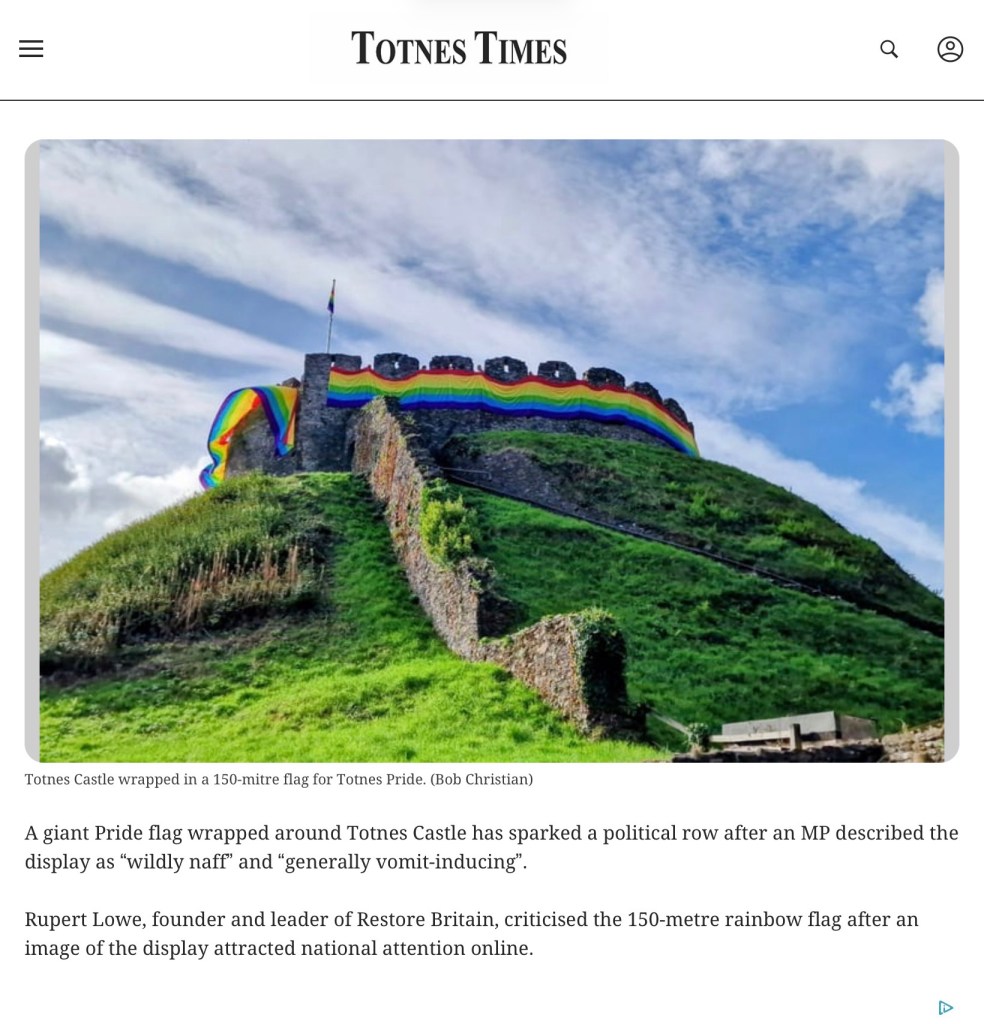
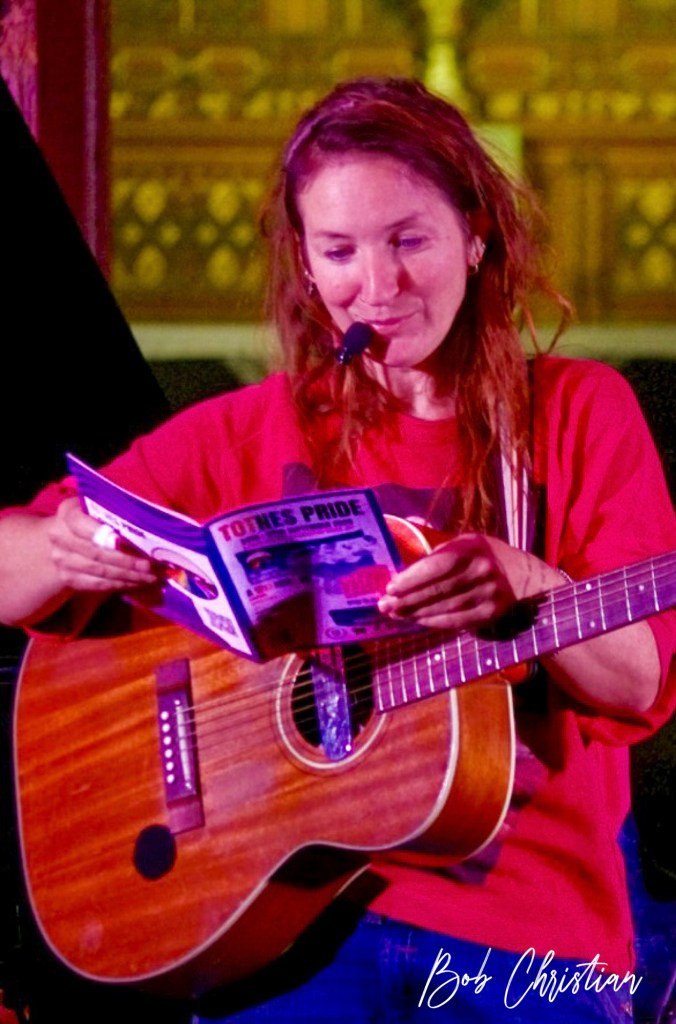
Since buying my first DSLR back in October last year, I’ve photographed a wedding, covered two Pride events (one of them as the main photographer, no less), and had the pleasure of photographing an evening fundraiser featuring the legendary Howard Jones. Yes, that Howard Jones. Eighties musical royalty, and me with a camera trying to look as though I know exactly what I’m doing.
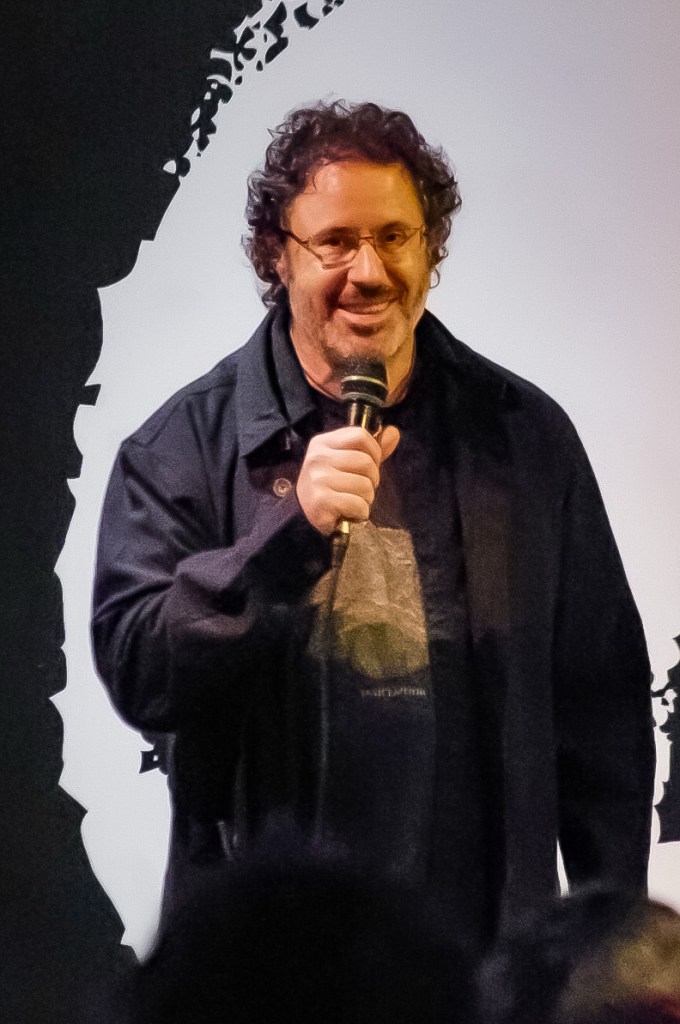
Next up, I’ve another shoot this month at a poetry event hosted by local celebrity Tom Hirons. Which means I’ll be swapping between two of my favourite worlds: the one where people perform their words, and the one where I attempt to capture the moment before it disappears into the ether.
When I bought that camera, I rather fancied I’d take a few photographs, enjoy myself, and perhaps produce the occasional image that didn’t require an apology. I didn’t quite anticipate things moving along quite so quickly.
But here we are. One minute you’re experimenting with a new bit of kit, the next you’re photographing weddings, Pride celebrations and musical legends, with more opportunities popping up on the horizon.
It’s funny how life sometimes opens a door when you’re busy looking through a viewfinder.
So, between scribbling poems, chasing light and trying to remember which button does what, it seems this particular adventure is gathering momentum.
And if there’s one thing I’ve learnt after twenty-plus years of playing with words, it’s this: you never really know where a creative itch might lead you.
I’d better keep the batteries charged, then. It looks like I’m going to need them!