When Your Gut Says Run, But YourHeart Says Give It Another Go!

What’s a time you ignored your gut — and paid for it?

Oh, that’s an interesting one.

And unfortunately, I have a rather personal answer.

Because there was a time, many years ago, when my gut was practically screaming at me to walk away.

And I didn’t listen.

Let me take you back a few years.

I was young. Naive, probably a little too trusting, and hadn’t really had what you could call a proper girlfriend.

I started going out with a girl who happened to be a cousin of my best mate.

Things started off well enough, although we had a long-distance relationship. That distance became considerably longer when I joined the Army and found myself stationed in the arse end of Scotland.

Romance and military life aren’t always the easiest combination, particularly when your idea of a romantic evening is a phone call when you can get one and a letter through the post.

But we made it work.

Or at least, I thought we did.

Then one day, I received a letter from her.

She explained that she’d been out clubbing, as she regularly did on one of her nights out, had got rather drunk and that a male friend had apparently taken advantage of her.

The first thing she remembered was waking up in his house the following morning.

Now, I want to be careful here. I’m not going to make light of anyone’s experience of sexual assault. It’s a serious subject, and anyone who has experienced it deserves to be listened to and supported.

But something about this particular story didn’t sit right with me.

My gut reaction was immediate.

Something wasn’t adding up.

I didn’t believe I was being told the whole truth, and every instinct I had was telling me to walk away.

And here’s the funny thing.

I knew it.

I genuinely knew something wasn’t right.

I’d love to tell you that I trusted my instincts, listened to that little voice in my head and made the sensible decision.

But I didn’t.

I gave her the benefit of the doubt.

I wanted to believe her. I wanted to believe that the relationship was worth saving and that perhaps I was simply being an inexperienced, suspicious young bloke who didn’t understand what had happened.

What I didn’t know at the time was that this particular bloke wasn’t just some random male friend.

He was an ex-fling.

And that was only the beginning.

Unfortunately, the relationship became increasingly rocky, with repeated infidelity and more than its fair share of lies.

On another occasion, she claimed that someone within our social circle had forced himself on her.

Again, this was a serious allegation.

But this time, something rather important happened.

When I and others suggested contacting the police, and I’d arranged for someone to speak to the bloke concerned, things began to unravel.

It transpired that there were sexual messages between the two of them on his phone.

Suddenly, the story looked rather different.

And here’s the part that really bothers me, even all these years later.

Those lies could potentially have cost someone their freedom.

Someone could have ended up in prison for something they hadn’t done, or worse.

Think about that for a moment.

A person’s life, reputation and future could have been destroyed because somebody chose to tell a lie.

That’s not relationship drama.

That’s potentially life-changing stuff.

Eventually, enough was enough.

I ended the relationship.

But by then, the damage had already been done.

And perhaps the biggest damage wasn’t even the relationship itself.

It was what happened afterwards.

You see, this wasn’t the only time I’d experienced infidelity. There were another couple of women who cheated on me over the years, and gradually, something changed.

I became suspicious.

I questioned people’s intentions.

I found myself looking for signs that something wasn’t quite right, even when there was no obvious reason to do so.

Trust became difficult.

Actually, that’s probably putting it mildly.

I struggled to trust people properly for a very long time.

And that’s the thing about being hurt by someone you trust.

The person who caused the damage might eventually disappear from your life, but the consequences can hang around for years.

You carry them into new friendships, new relationships and conversations with people who have done absolutely nothing to deserve your suspicion.

It’s not particularly fair on them.

But when you’ve been let down enough times, letting someone in again can feel like handing them the ammunition to hurt you.

It took meeting Mrs Bob before I really began to learn how to trust again.

And I don’t mean that she magically fixed everything.

That’s not how people work.

But she gave me something I’d struggled to find for a long time.

Consistency.

Honesty.

Security.

The ability to feel comfortable being myself without constantly wondering whether there was something going on behind my back.

And for that, I’ll always be grateful.

Looking back, I think there are two lessons I’ve taken from all of this.

The first is that your gut instinct is worth listening to.

It doesn’t mean it’s always right. Our instincts can be influenced by fear, past experiences and our own insecurities.

But when something doesn’t feel right, don’t automatically dismiss that feeling just because you want something to work.

Stop.

Look at what’s happening.

Ask questions.

Pay attention to whether someone’s words and actions actually match.

And don’t confuse giving someone the benefit of the doubt with ignoring every warning sign in front of you.

The second lesson is perhaps even more important.

Don’t allow the people who hurt you to dictate how you treat the people who come afterwards.

That’s something I’ve had to learn over the years.

Not everyone is the same.

Not everyone lies.

Not everyone cheats.

And not everyone is looking for an opportunity to hurt you.

It took me a long time to understand that.

So, what’s a time I ignored my gut and paid for it?

A young bloke, away in Scotland with the Army, received a letter that should probably have been the end of a relationship.

His instincts told him something wasn’t right.

He ignored them because he wanted to believe in someone.

And the consequences followed him for years.

Would I do things differently now?

Absolutely.

But then, that’s the thing about hindsight, isn’t it?

It’s wonderfully bloody accurate.

Unfortunately, it doesn’t arrive until after you’ve made the mistake.

These days, I’m rather happier with where life has taken me.

I’ve got Mrs Bob, a family, and a life built around people I love and trust.

I haven’t forgotten what happened.

But I’ve learned that I don’t have to let it define every relationship I have.

And perhaps that’s the biggest victory of all.

Sometimes the lesson isn’t simply to trust your gut.

It’s to make sure that the actions of one person don’t stop you trusting the right people when they eventually come along.

Stay safe,

BC
Your Health Is Your Wealth

What life lesson did you learn too late?

If I had to choose one life lesson I wish I’d understood earlier, it would be this:

Your health is your wealth. And I’m not talking about the money in your bank account.

We spend so much of our lives chasing money, success, careers and security. We work longer hours, sacrifice sleep, put off holidays and convince ourselves that one day, when we’ve achieved everything we’re working towards, we’ll finally have time to enjoy it.

But what happens if, by then, we’ve sacrificed the very thing we need to enjoy it?

What’s the point of a healthy bank balance if you’re too exhausted to enjoy life? What’s the point of a comfortable retirement if years of neglecting yourself have taken their toll?

We’re very good at looking after our cars, houses and possessions, but not always so good at looking after ourselves.

We ignore the warning signs, push through exhaustion, put off exercise until next week and tell everyone we’re fine, even when we’re anything but.

And it’s not just our physical health. Our mental wellbeing matters just as much.

Sometimes we need to slow down, get outside, have a proper conversation, switch off our phones or simply admit that things aren’t quite right. There’s no weakness in that.

Money is important. We all have responsibilities and ambitions, but it cannot buy back lost time, yesterday’s energy or the years we’ve spent running ourselves into the ground.

I suppose the lesson I’ve learned is that we’re supposed to enjoy the journey, not just work towards some distant point when we finally give ourselves permission to live.

So work hard. Chase your dreams. Build something you’re proud of.

But remember to look after yourself along the way.

Get some fresh air. Go for that walk. Get enough sleep. Spend time with the people who matter. Find reasons to smile.

And perhaps most importantly, don’t wait until something goes wrong before you start taking your health seriously.

Don’t spend so much time making a living that you forget to make a life.

Because ultimately, the greatest wealth isn’t what’s sitting in your bank account. It’s having the health, energy and freedom to enjoy the life you’ve worked so hard to build.

Look after yourself. You’re worth it.

Stay safe.

BC

Friendships, Getting Older and Giving a Shit About the Right People

Has your idea of what makes a good friend changed as you’ve gotten older?

Absolutely.

And I suspect I’m not alone in that.

As I’ve gotten older, my friendship needs have changed too.

When we’re younger, friendship can be about having people around us. The more, the merrier, as they say. Going out, having a laugh, sharing experiences and generally getting into whatever mischief life throws our way.

But somewhere along the road, things change.

You start to realise that having lots of friends isn’t necessarily the same as having good friends.

These days, I value quality over quantity.

I don’t need someone who wants to talk to me every five minutes, or someone who feels the need to fill every silence.

I value people who understand that sometimes life gets in the way. That we might not speak for weeks, perhaps even months, but when we do, it’s as though we’ve only just put the kettle down.

I value honesty.

Loyalty.

Kindness.

People who accept me for who I am, warts, weirdness and all.

Someone who can have a meaningful conversation one minute and take the absolute piss out of me the next.

Because friendship shouldn’t feel like hard work.

It shouldn’t be about keeping score, wondering who messaged last, or feeling obliged to be someone you’re not just to keep somebody happy.

And perhaps most importantly, I’ve learned that a good friend doesn’t necessarily need to have all the answers.

Sometimes they just need to listen.

Sometimes they need to offer a shoulder.

Sometimes they simply need to sit alongside you while life does its usual impression of a complete bloody circus.

I also think getting older teaches us to be a little more selective about who we allow into our lives.

Not because we’re becoming miserable old sods (although I make no promises there), but because peace of mind becomes increasingly important.

I’d rather have a handful of genuine friendships than a hundred superficial ones.

People who bring something positive into my life, and whose lives I can hopefully enrich in return.

Because friendship works both ways.

It’s about showing up, making an effort, accepting differences and remembering that everyone has their own battles going on.

So yes, my idea of a good friend has changed.

Perhaps it’s not that I’ve become more demanding.

Perhaps I’ve simply become better at recognising what actually matters.

And if there’s one thing I’ve learned, it’s this:

A good friend isn’t necessarily the person who’s been around the longest, or the one you see most often.

It’s the person who makes you feel comfortable being exactly who you are.

No pretence.

No expectations.

Just friendship.

And honestly?

At this stage of life, that’s worth its weight in gold.

Stay safe,

BC

The Moments That Stay With Us

What’s a small moment from your past that you still think about years later?

What’s a small moment from your past that you still think about years later?

I suppose there are quite a few moments I could choose from.

But if I’m honest, there’s one that comes to mind almost immediately.

My last interactions with my maternal grandparents.

It’s funny, isn’t it? How certain moments stay with you long after the people involved are no longer here.

I don’t necessarily think it’s always the big occasions that leave the deepest impression. Sometimes it’s the little things. The conversations, the time spent together, the things said, and even the things that perhaps weren’t said.

I have photographs of my grandparents in my office at home. They’re there every day, quietly looking back at me while I’m working, writing, or generally making a nuisance of myself.

And every now and again, I’ll catch sight of those photographs and find myself stopping for a moment.

Remembering.

Thinking about them.

Wondering what they’d make of the person I’ve become, and perhaps wishing I could have just one more conversation with them.

My maternal grandfather, W S Christian, was a particularly important influence in my life. He taught me a great deal about being a gentleman, about honesty, hard work, and treating people properly. Some of those lessons have stayed with me throughout my life.

In fact, there’s a reason his name became part of my own writing identity.

Some people leave you more than memories. They leave you with values, lessons and little pieces of themselves that you carry forward without even realising it.

And that’s something rather special.

But it’s not just my grandfather.

It’s the fact that I had two grandparents who were part of my life, and those last interactions with them are something I still think about years later.

I don’t think we ever really appreciate how precious those ordinary moments are while we’re living them.

You don’t necessarily know that a conversation will be one of your last. You don’t know that a visit, a hug or a simple goodbye will eventually become something you’ll replay in your head years down the line.

(It’s why I wrote “When I Said Goodnight, I didn’t know I meant goodbye”)

If I could go back, would I do things differently? Probably. I suspect most of us would.

I’d probably ask more questions, spend a little longer listening and make the most of whatever time we had.

But that’s the trouble with hindsight, isn’t it?

It has a habit of showing us the value of things only after they’ve become memories.

So those photographs in my office are staying exactly where they are.

They’re a reminder of where I’ve come from, the people who helped shape me, and the importance of trying to be the sort of person they would be proud of.

And perhaps that’s the thing about memories.

We don’t always get to choose which moments stay with us.

Sometimes they simply settle somewhere in our hearts and refuse to leave.

And I’m rather glad these ones haven’t.

Because while I can’t sit down and have another conversation with my grandparents, I can still carry a little of them with me every day.

And I do.

Stay safe,

BC

A Hostel, a Few Scars, and a Whole Lot of Living

How do you define success in life?

How do you define success in life?

Is it the amount of money sitting in your bank account? The shiny car parked on your drive? The size of your house, the holidays you take, or the number of expensive gadgets you’ve managed to accumulate?

Don’t get me wrong, there’s absolutely nothing wrong with having nice things. If you’ve worked hard for them and they’re what makes you happy, then good for you.

But are those things really what make someone successful?

Personally, I don’t think so.

For me, success has very little to do with what’s in your bank account or what you own. It’s much more about the person you are, the challenges you’ve faced, the obstacles you’ve overcome, and perhaps most importantly, whether you can look at yourself in the mirror and be comfortable with the person looking back.

And if I’m honest, that’s taken me quite a few years to achieve.

You see, my journey hasn’t exactly been a walk in the park.

I didn’t grow up with everything handed to me on a silver platter. Far from it.

I experienced sexual and physical abuse throughout my childhood. I spent my teenage years living in a hostel, without many of the things that other young people might have taken for granted.

Life wasn’t particularly kind, and there were plenty of times when simply getting through the day was an achievement in itself.

I also spent a large part of my life trying to understand why I seemed to experience the world differently from other people.

It wasn’t until later in life that I understood I was autistic. For years, I was living with undiagnosed autism, trying to navigate a world that often felt as though it came with an instruction manual that everyone else had received except me.

There were plenty of hurdles along the way.

Some were visible. Others were carried quietly, behind a smile or a seemingly ordinary conversation.

And yet, here I am.

At 50, I can honestly say I’m comfortable in my own skin.

Now, that might not sound like a particularly spectacular achievement to some people.

I’m not standing on a stage collecting a lifetime achievement award. I haven’t got a mansion, a Ferrari or a yacht parked somewhere in the Mediterranean.

Although, if anyone happens to have a spare yacht, I’m prepared to discuss the matter!

But seriously, when I look back at the younger version of myself, living in a hostel with very little, I think he’d probably be rather surprised by where life has taken me.

Because somehow, somewhere along the way, I managed to build something.

I found my voice through poetry.

What started as a way of getting the thoughts and emotions out of my head eventually became something much bigger. Those early scribbles developed into poems, and those poems eventually became books.

I’ve now written several poetry books, had my work published in books and magazines, and even picked up a few awards along the way.

Not bad for a bloke who originally started writing because he was simply trying to make sense of himself.

Then there’s photography.

Another passion that started out as something I enjoyed doing, which has gradually opened doors and given me opportunities I never imagined I’d have.

I’ve had photographs published, worked behind the camera at events, and experienced moments that the younger me probably wouldn’t have believed possible.

Am I famous? Absolutely not.

Am I some sort of photographic genius? Mrs Bob might argue otherwise, but I’m certainly not going to make that claim!

But I’ve achieved things that I’m genuinely proud of.

And perhaps that’s the point.

Success doesn’t have to mean becoming rich, famous or particularly important in the eyes of the world.

Sometimes, success is simply doing something you were once told, or perhaps believed, you would never be able to do.

Sometimes it’s getting out of bed when life feels overwhelming.

Sometimes it’s finding the courage to speak about things you’ve spent years keeping buried.

Sometimes it’s learning to accept yourself, including the bits you once thought needed fixing.

And sometimes, it’s reaching the age of 50 and realising that you no longer need to apologise for being you.

For me, that’s a pretty big deal.

I also wouldn’t be telling the whole story if I didn’t mention Mrs Bob.

Because behind every bloke who thinks he’s got his life reasonably well organised, there’s quite often someone quietly keeping everything from falling apart.

And in my case, I’ve been incredibly lucky.

The love, support, patience and courage of Mrs Bob have been an enormous part of my journey.

She’s been there through the good times and the not-so-good times. She’s supported my writing, encouraged my photography, helped me navigate some of life’s more complicated moments and, on occasion, probably had to put up with more than her fair share of my ramblings.

She’s believed in me when I’ve struggled to believe in myself.

She’s encouraged me to keep going, even when I’ve doubted what I was capable of.

And she’s helped me become comfortable with the person I am today.

I don’t think you can put a price on that.

So, when somebody asks me how I define success in life, my answer is actually quite simple.

Success is being able to look back at where you started, recognise everything you’ve been through, and still be proud of the person you’ve become.

It’s not about having the biggest house, the fanciest car or the healthiest bank balance.

It’s about character.

It’s about resilience.

It’s about kindness, compassion and the ability to keep moving forward, even when life gives you every reason to stop.

It’s about finding something that makes you happy, having the courage to pursue it, and appreciating the people who walk alongside you.

Most importantly, it’s about understanding that your past doesn’t have to dictate your future.

I can’t change what happened to me as a child. I can’t go back and give that teenage boy the childhood he deserved.

But I can look at the life I’ve built since then.

I can look at the poetry books, the photographs, the opportunities, the friendships and the people who have become part of my world.

And I can look at Mrs Bob, knowing just how fortunate I am to have her beside me.

Then I can look in the mirror.

And for perhaps the first time in my life, I don’t see someone who needs to be different, someone who doesn’t quite fit, or someone who hasn’t achieved enough.

I see me.

A bloke who’s had his fair share of knocks, who’s made mistakes, who’s still learning, still scribbling, still taking photographs and still occasionally wondering what on earth he’s doing.

But a bloke who’s happy with who he is.

A bloke who’s proud of what he’s achieved.

And a bloke who knows that, despite everything life has thrown at him, he’s still here.

And if that’s not success, I really don’t know what is.

So perhaps the next time we measure somebody’s success, we should spend a little less time looking at what they’ve got and a little more time considering what they’ve overcome.

Because you never really know what battles someone has fought to get where they are today.

And sometimes, the greatest achievement isn’t what you’ve accumulated along the way.

It’s the person you’ve become.

Stay safe,

BC

The Curious Case of Penguins and Their Missing Taste Buds

What’s a completely useless fact you love sharing?

I’ve always loved random facts. The more pointless, the better.

When I first met Mrs Bob back in 2012, I impressed her (or possibly confused her) by telling her the speed of light in miles per second.

186,282.4 in case you wondered.

You’re welcome.

My latest little gem came about while reading one of the QI fact books to Mrs Bob at bedtime.

Penguins can’t taste fish.

Now, obviously, I had to investigate this one.

It turns out penguins have lost three of the five basic taste receptors: sweet, bitter and umami (that savoury taste).

So, as far as scientists can tell, they’re left with salty and sour.

And there’s more.

Penguins don’t chew their food. They have backwards-facing spikes on their tongues, designed to grip slippery fish, krill and squid before swallowing them whole.

Basically, nature has given them the equivalent of a takeaway service with no need for a menu.

Imagine eating fish your entire life and never actually knowing what it tastes like.

Anyway, that’s today’s completely useless fact.

You’re welcome.

And if you happen to meet me, please don’t ask me for the speed of light. I’ve got plenty of other facts to bore you with.

Stay safe

Bc

Sunday Snaps

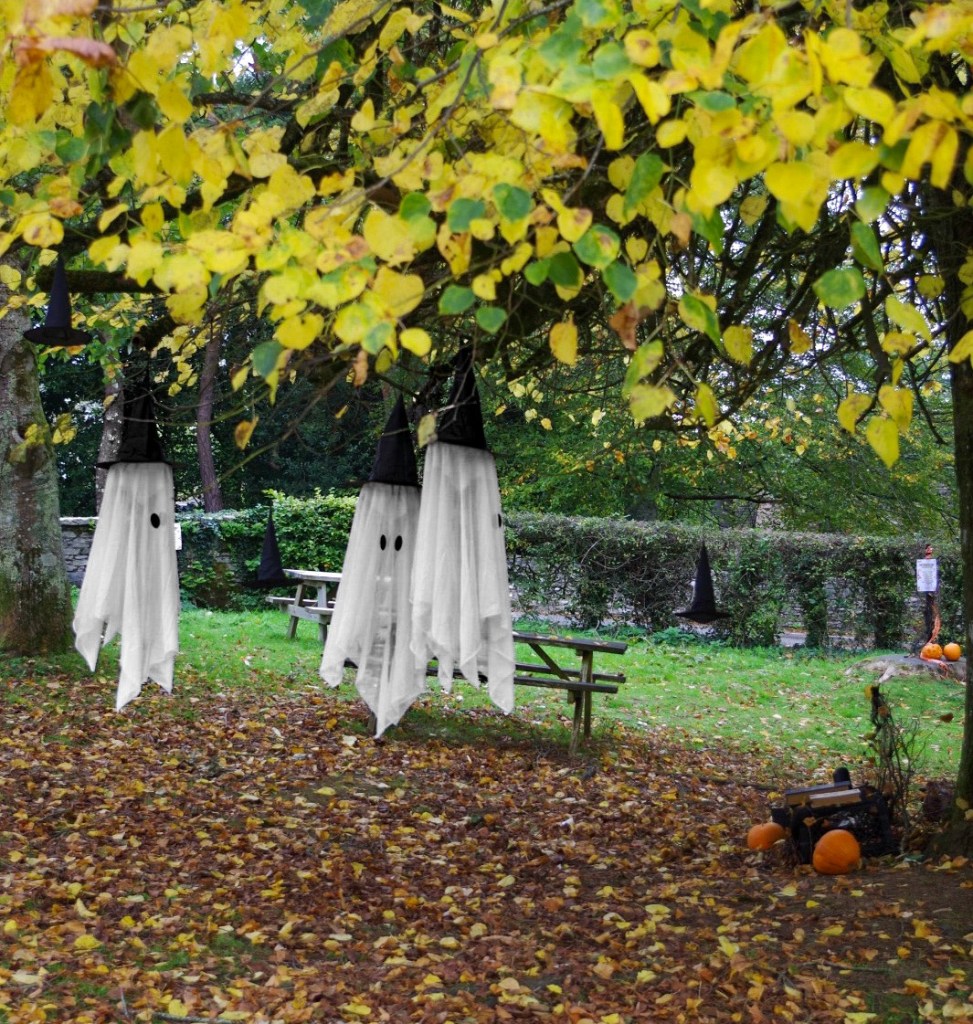
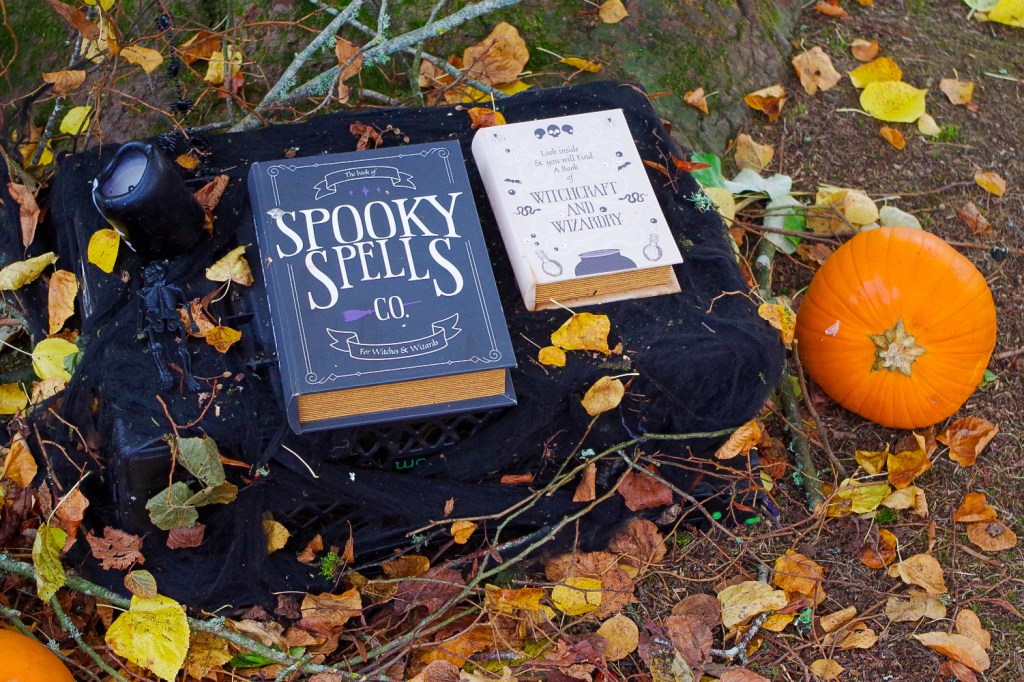
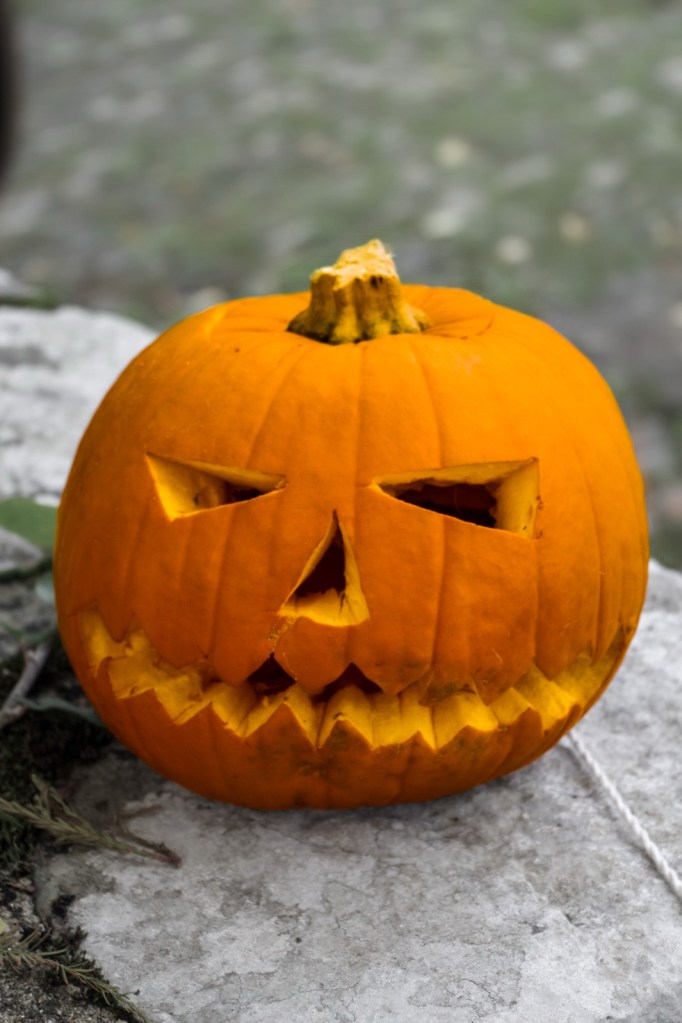
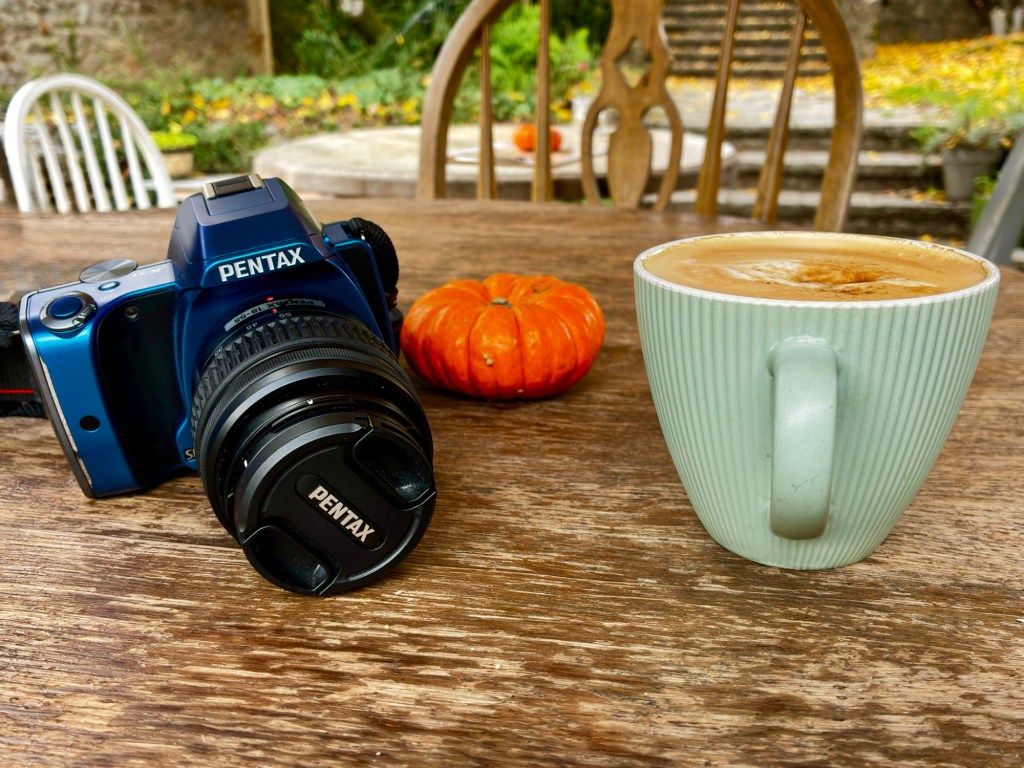
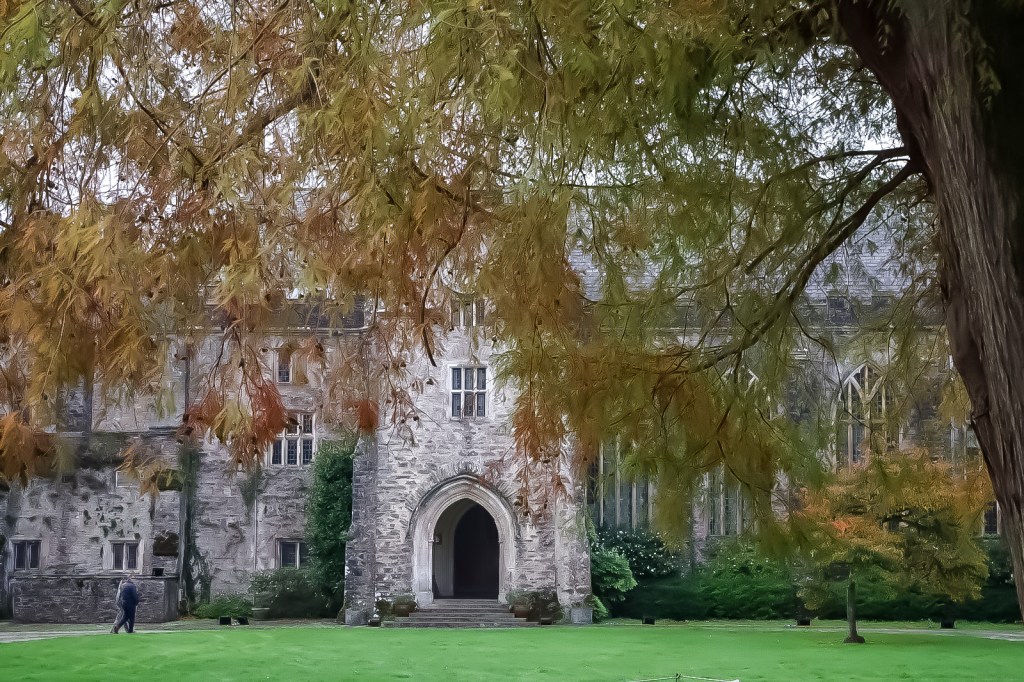
Firstly blessed Samhain (Halloween if you will) This week’s Sunday snaps are from the Dartington Hall Estate. I’d decided it’s a perfect opportunity to test my new camera out, and grab a coffee after an appointment.

Dartington Hall
Ghosts hovering under a tree
Under the tree
Jack-o’-lantern

Coffee & a camera, can’t beat it

Say Cheese

Share a few recent shots from your camera roll, no context needed.

Between my DSLRs and various other cameras, these pictures come from a bit of a collection.

Different cameras, same passion.

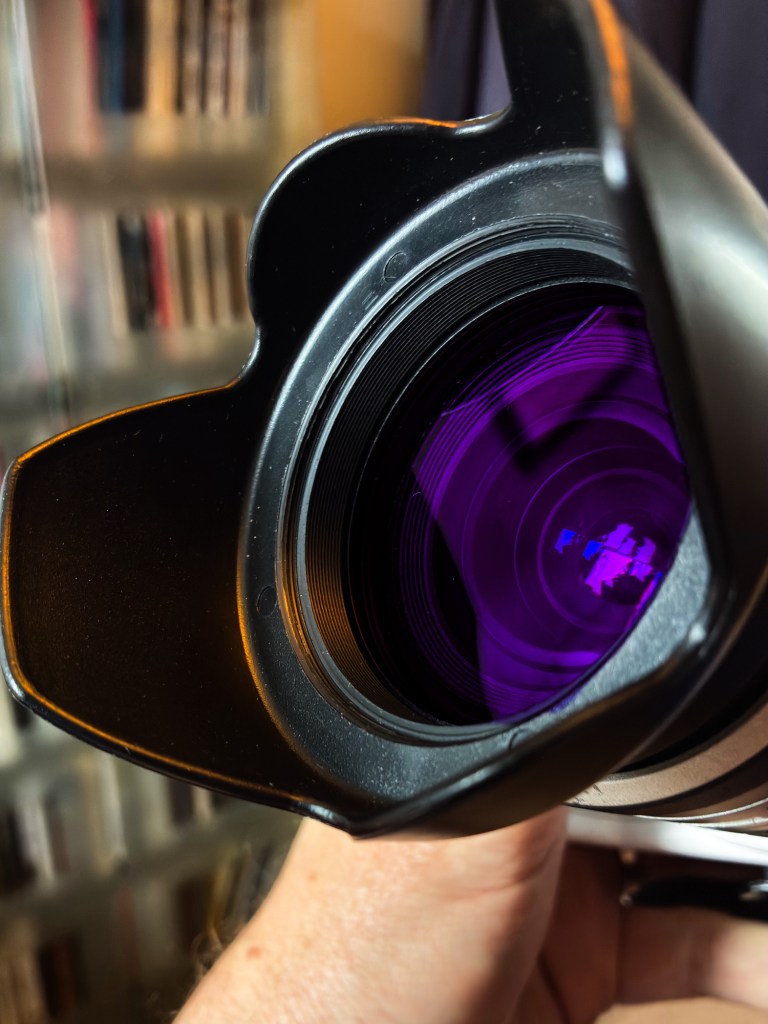
One of my new filters
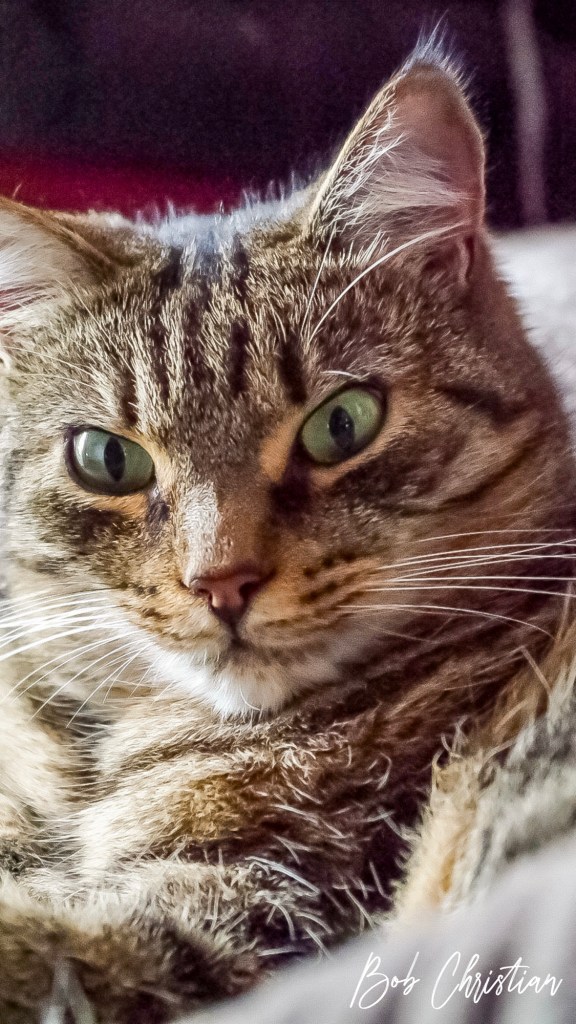
Tiddles
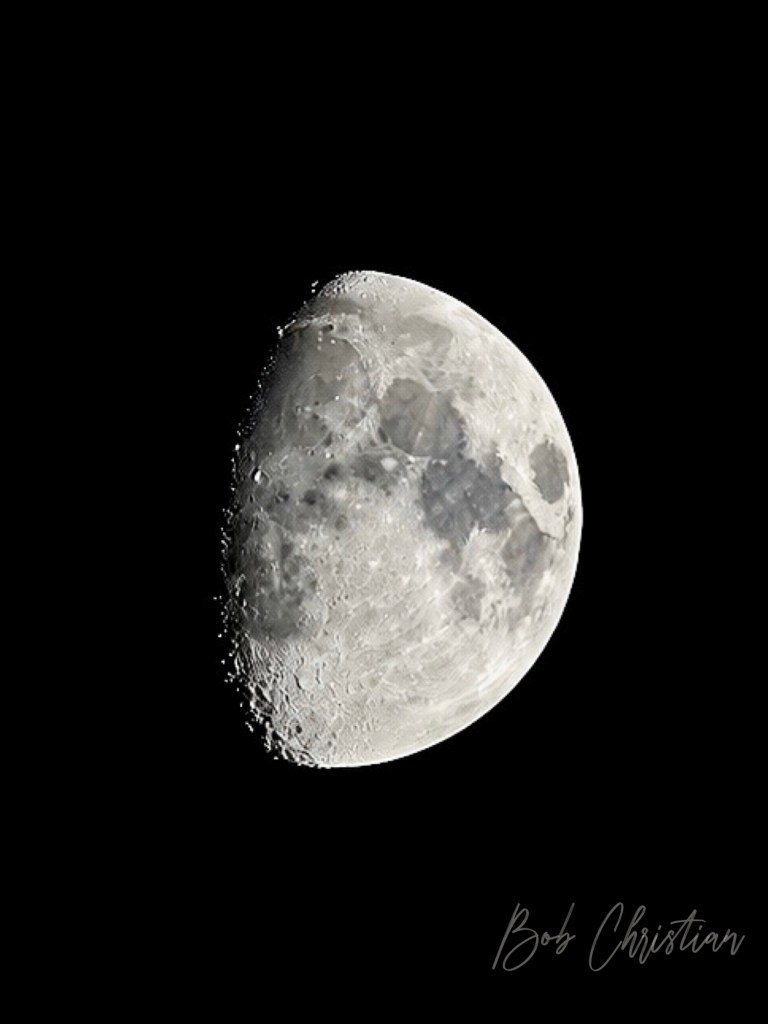
Hunters moon
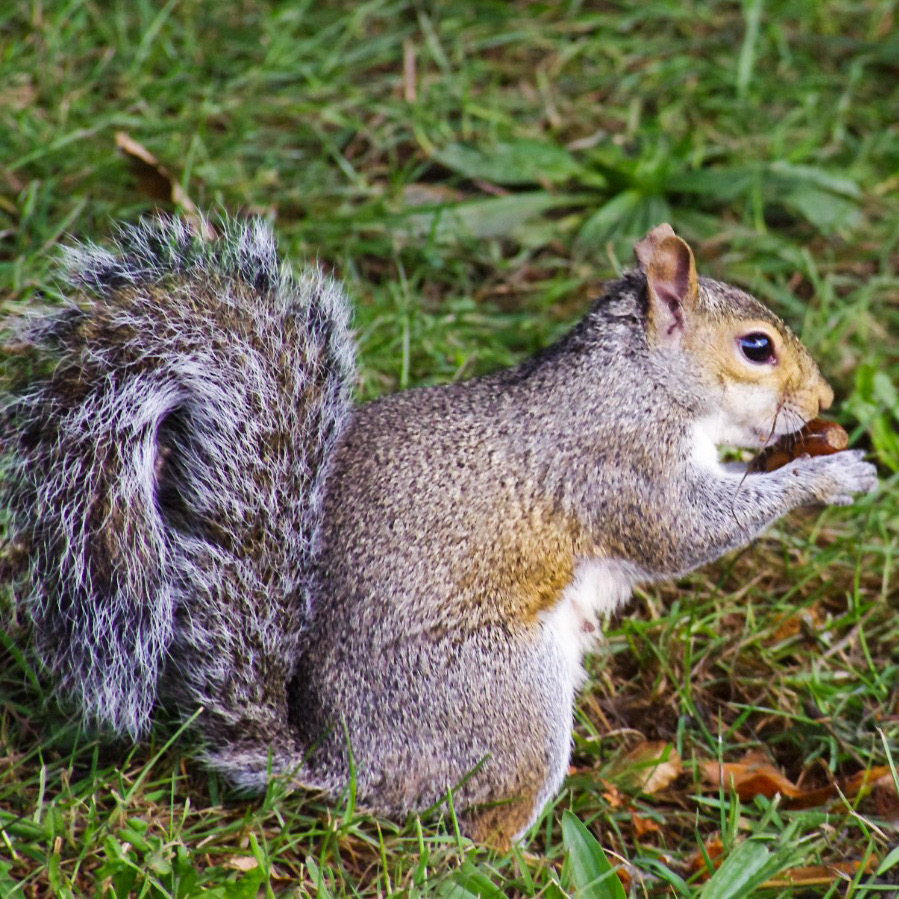
Squirrel (Vire island)

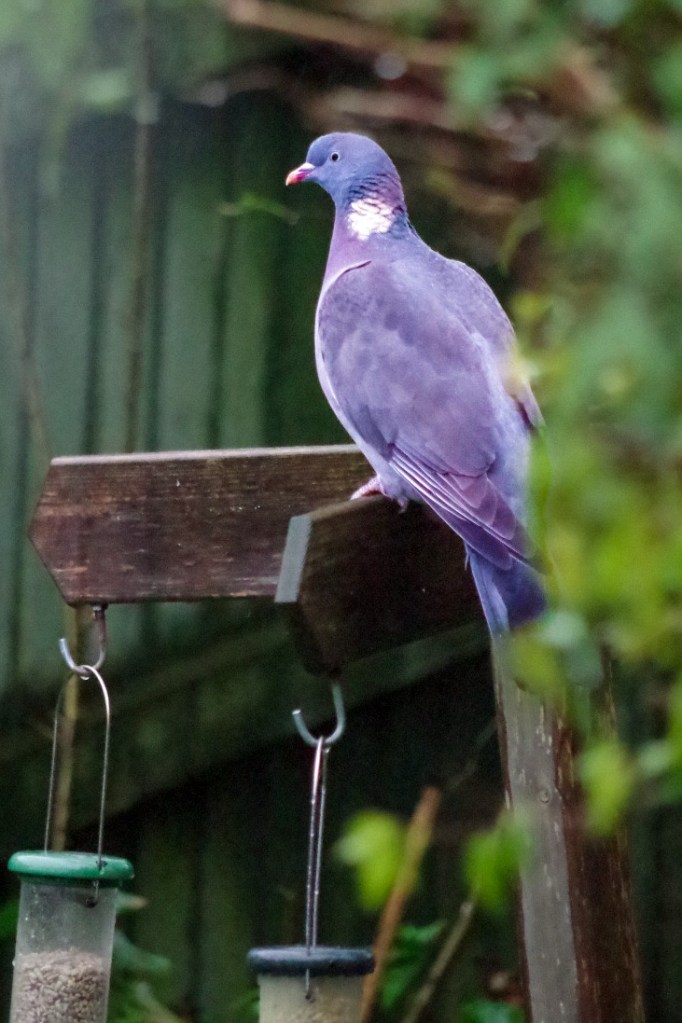
Steve the pigeon

The Fork That’s Seen Better Days (and Means the World to Me)

What’s one thing you own that holds deep sentimental value?

It’s funny, isn’t it?

We live in a world where we’re constantly being told that things have value.

Antiques are valued by their age.

Jewellery by the materials it’s made from.

Houses by the price someone is willing to pay for them.

And yet, some of the things we treasure most wouldn’t fetch a penny at an auction.

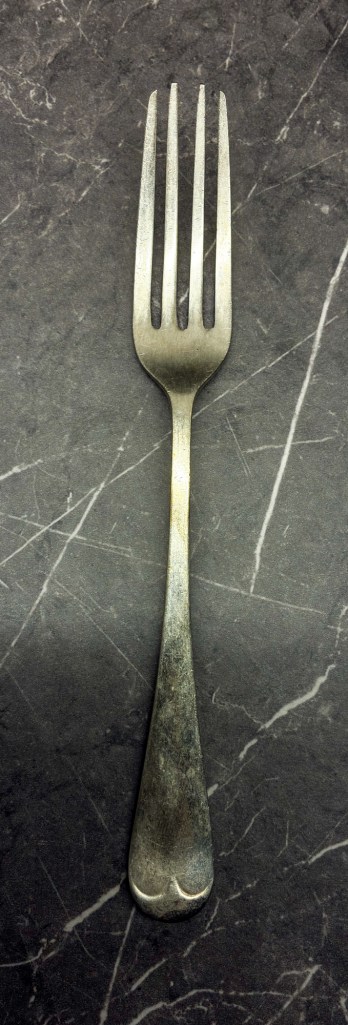
For me, it’s a fork.

Yep. A fork.

Not an antique silver one with some fancy engraving. Not something that’s been handed down through generations of royalty.

Just an ordinary, everyday fork that belonged to my maternal grandmother.

Except, to me, it’s anything but ordinary.

You see, my grandmother used this fork so much over the years that the prongs had gradually worn away. Think about that for a moment.

Years of meals.

Years of sitting down to eat.

Years of everyday life.

Until something as simple as a fork began to show the passage of time.

There’s something rather lovely about that, I think.

We tend to remember the big moments in life. Birthdays, weddings, Christmases, family gatherings. The occasions when everyone comes together and photographs are taken.

But life isn’t made up entirely of those moments.

Most of it happens in between.

It happens around kitchen tables.

Over cups of tea.

During ordinary meals, when nobody is doing anything particularly remarkable and nobody realises they’re making memories.

And perhaps that’s where some of our most precious memories are made.

Not in the extraordinary moments, but in the ordinary ones we never think to treasure until they’re gone.

When my grandmother passed away, we had the difficult task of clearing out her house.

Anyone who has ever done that will understand what I mean.

Every cupboard, every drawer, every little collection of things brings its own memories. You find objects that have been there for years, things you’d forgotten about, and things that suddenly make you stop what you’re doing.

Because they’re not just things anymore.

They belong to someone.

They remind you of someone.

And sometimes, they bring a little piece of that person back into the room.

That’s what happened with this fork.

I rescued it while we were clearing the house.

I couldn’t tell you exactly what went through my mind at the time. Perhaps I simply couldn’t bear the thought of it being thrown away. Perhaps, somewhere inside me, I knew that this battered old piece of cutlery meant more than its appearance suggested.

Whatever the reason, I kept it.

And I’m glad I did.

Financially, it’s probably worth absolutely bugger all.

You certainly wouldn’t find an antiques dealer fighting over it.

But that’s the thing about sentimental value, isn’t it?

It doesn’t come with a price tag.

Nobody else needs to understand why something matters to you. Nobody else has to see what you see when you look at it.

They might see an old fork with worn-out prongs.

I see my grandmother.

I see the years of use.

I see the everyday life that happened around it.

And I’m reminded that the people we love leave traces of themselves behind in the most unexpected places.

Not always in photographs or letters.

Sometimes in the things they used every single day without giving them a second thought.

Perhaps that’s why I find it so difficult to think of this fork as just an object.

It has survived years of ordinary life, and when my grandmother was no longer here, it became something I could hold onto.

No, it can’t bring her back.

I know that.

But it connects me to her in a small, tangible way. It reminds me that she was here, that she lived, and that her life was made up of all those little everyday moments that we so often take for granted.

And I think there’s something comforting about that.

We spend so much time worrying about what we’ll leave behind.

Our possessions.

Our achievements.

Our money.

The things we hope people will remember us for.

But perhaps our real legacy is much simpler.

Perhaps it’s the memories we leave in the minds of the people we love.

The little things we do.

The everyday moments we share.

The ordinary objects that, long after we’re gone, somehow become extraordinary.

So, if you asked me what one thing I own holds the deepest sentimental value, my answer would be this battered old fork.

It isn’t worth anything financially.

It isn’t beautiful.

It isn’t rare.

But it belonged to my grandmother, and that makes it precious to me.

Because sometimes, the things worth the most are the things money could never buy.

And if that isn’t a lesson worth remembering, I don’t know what is.

Stay safe,

Bc

Grandma’s fork

Kein Fluent, Kein Problem: Make the Effort

What’s one piece of travel advice you always follow?

If I had to give just one piece of travel advice, it would be this.

Make an effort to learn a little of the local language and culture before you go.

Notice I said a little.

I’m not suggesting you need to complete a university degree in linguistics before booking your flights. Nor am I suggesting you need to arrive sounding like you were born in Oslo or Reykjavik.

Trust me, I’ve tried.

Norwegian and Icelandic have both featured on my list of languages I’ve attempted to get my head around. How successful have I been?

Well, let’s just say I probably made a bit of a pig’s ear of it.

But that’s not really the point, is it?

The point is that you try.

There’s something rather lovely about making the effort to say hello, please, thank you, or even attempting to order something without completely butchering the pronunciation.

Although, in my case, butchering the pronunciation is probably a distinct possibility.

Still, most people appreciate the effort. You’re showing them that you recognise their country is more than a backdrop for your holiday photographs. It’s their home. Their culture. Their history. Their everyday life.

And you’ve taken a little time out of your own life to understand it.

That matters.

Of course, learning a few words is only part of it.

Take the time to understand local customs, too. Find out what’s considered polite, what might cause offence, and how people go about their daily lives. Try the local food. Visit somewhere beyond the obvious tourist attractions. Listen to people when they tell you about their home.

You might discover something wonderful.

Or you might discover that the local delicacy isn’t quite to your taste.

It happens.

But at least you tried.

I think we sometimes forget that travelling isn’t just about seeing places. It’s about experiencing them, even if only for a short time.

And you don’t need to be fluent to do that.

You don’t need perfect grammar, an impressive vocabulary, or the ability to hold a philosophical debate over dinner.

You just need a little curiosity, a bit of humility, and the willingness to look slightly silly now and then.

Which, given my attempts at Norwegian and Icelandic, is something I can manage quite comfortably.

So, if you’re heading abroad, learn a few words. Read a little about the culture. Be respectful. Be curious. And don’t be afraid of getting it wrong.

Because the locals might not remember your accent.

They might not remember your name.

But there’s a good chance they’ll remember that you tried.

And sometimes, that small effort makes all the difference.

Stay safe,

Bc