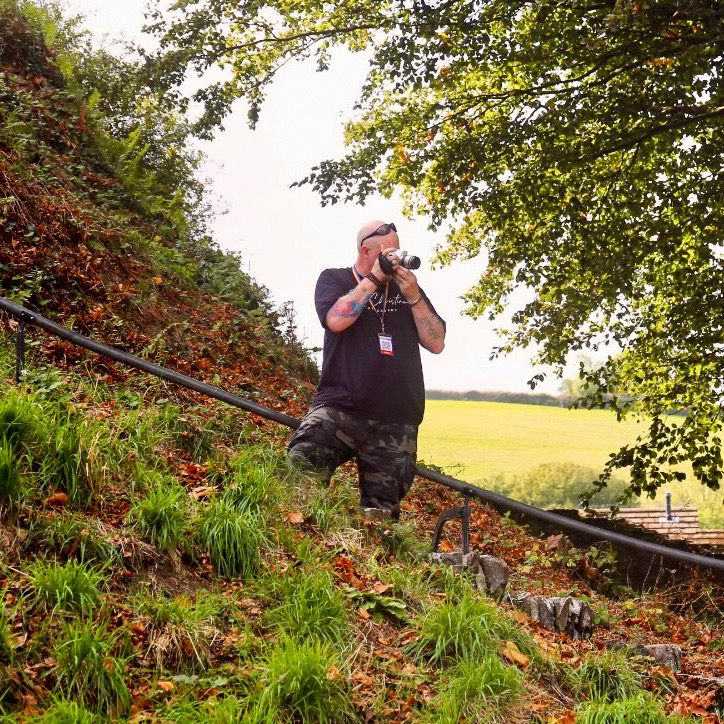
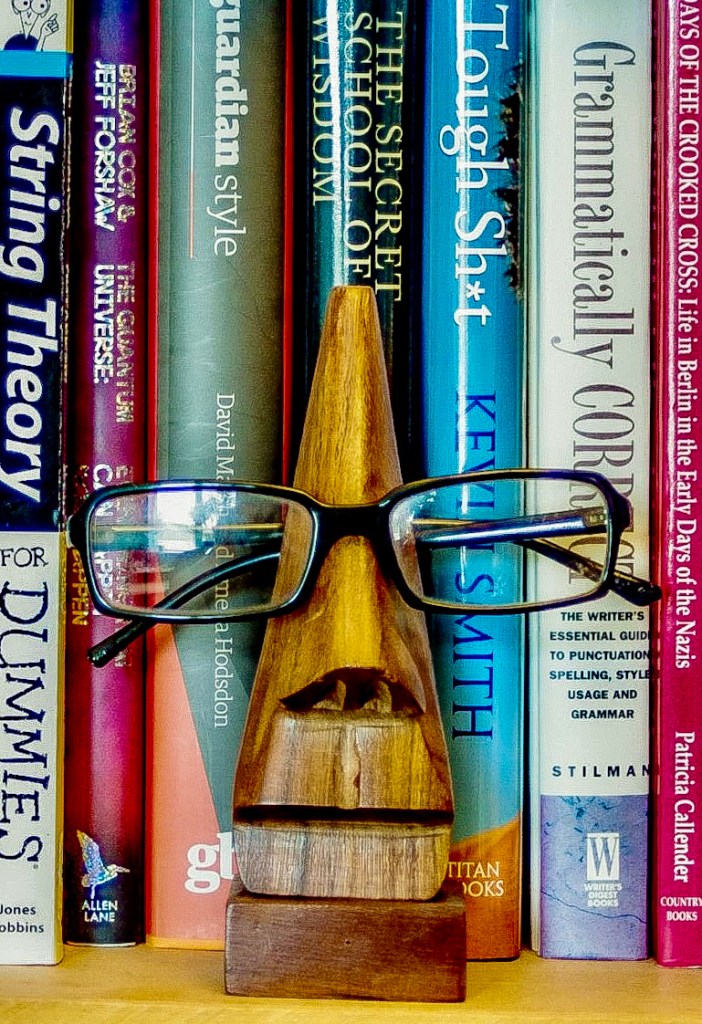
I’m sure you’re all aware that, apart from my twenty-odd years as a fully qualified scribbleologist (poet to those who prefer the technical terminology), I’ve also had a longstanding love affair with photography. Words have always been my way of capturing the world, but lately I’ve discovered that a camera can do much the same thing — only with fewer syllables and considerably less punctuation.
And blimey, things seem to be gathering pace!
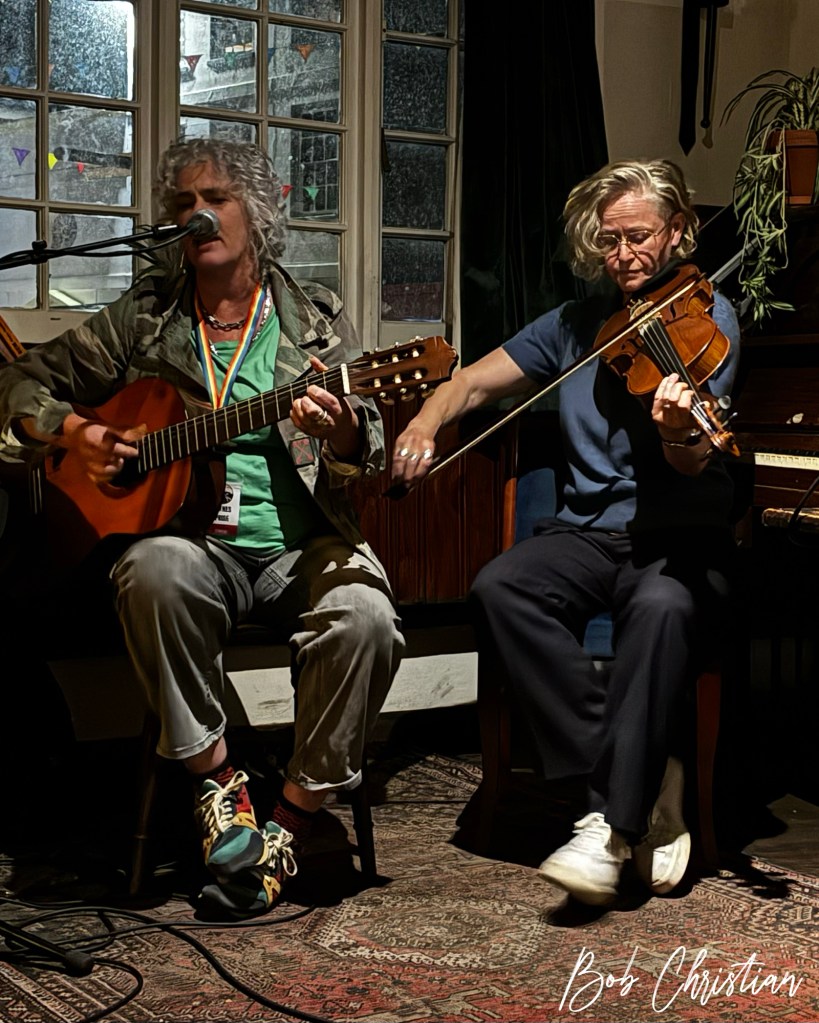
Since buying my first DSLR back in October last year, I’ve photographed a wedding, covered two Pride events (one of them as the main photographer, no less), and had the pleasure of photographing an evening fundraiser featuring the legendary Howard Jones. Yes, that Howard Jones. Eighties musical royalty, and me with a camera trying to look as though I know exactly what I’m doing.
Next up, I’ve another shoot this month at a poetry event hosted by local celebrity Tom Hirons. Which means I’ll be swapping between two of my favourite worlds: the one where people perform their words, and the one where I attempt to capture the moment before it disappears into the ether.
When I bought that camera, I rather fancied I’d take a few photographs, enjoy myself, and perhaps produce the occasional image that didn’t require an apology. I didn’t quite anticipate things moving along quite so quickly.
But here we are. One minute you’re experimenting with a new bit of kit, the next you’re photographing weddings, Pride celebrations and musical legends, with more opportunities popping up on the horizon.
It’s funny how life sometimes opens a door when you’re busy looking through a viewfinder.
So, between scribbling poems, chasing light and trying to remember which button does what, it seems this particular adventure is gathering momentum.
And if there’s one thing I’ve learnt after twenty-plus years of playing with words, it’s this: you never really know where a creative itch might lead you.
I’d better keep the batteries charged, then. It looks like I’m going to need them!
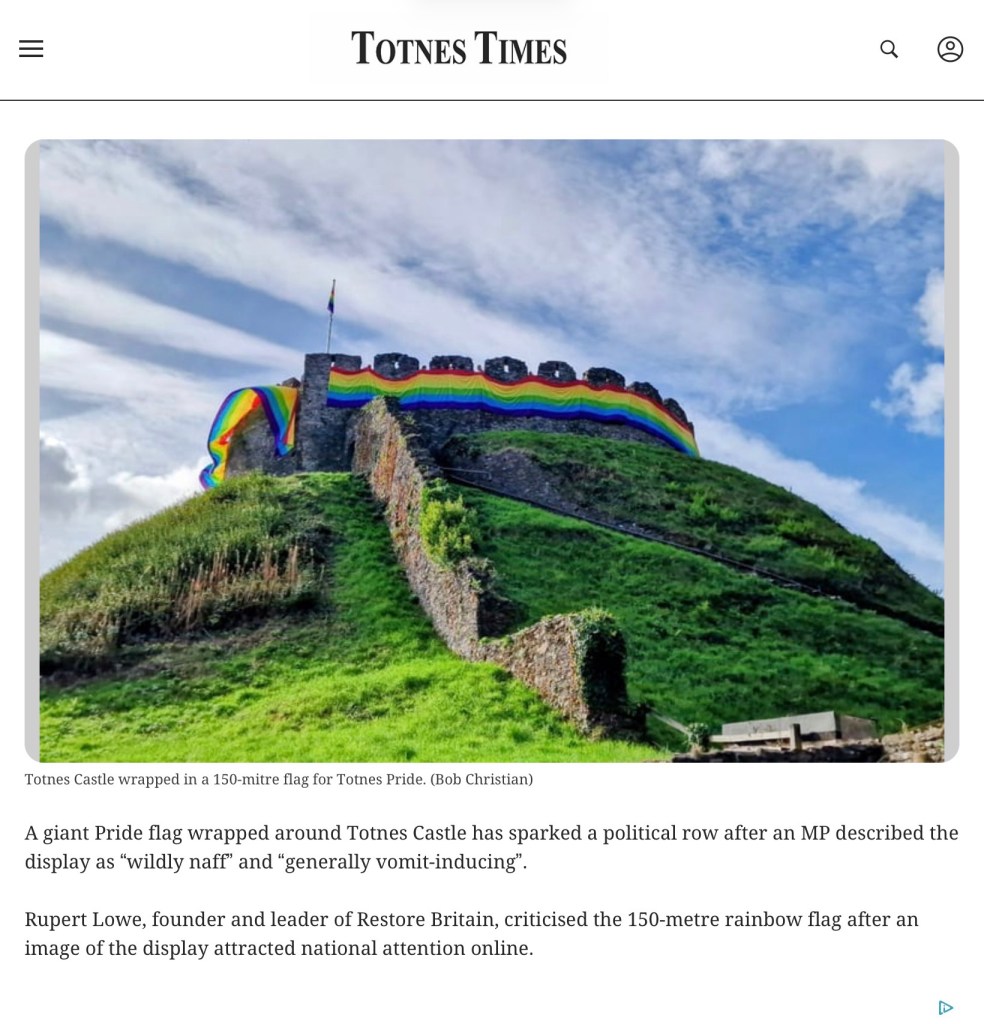
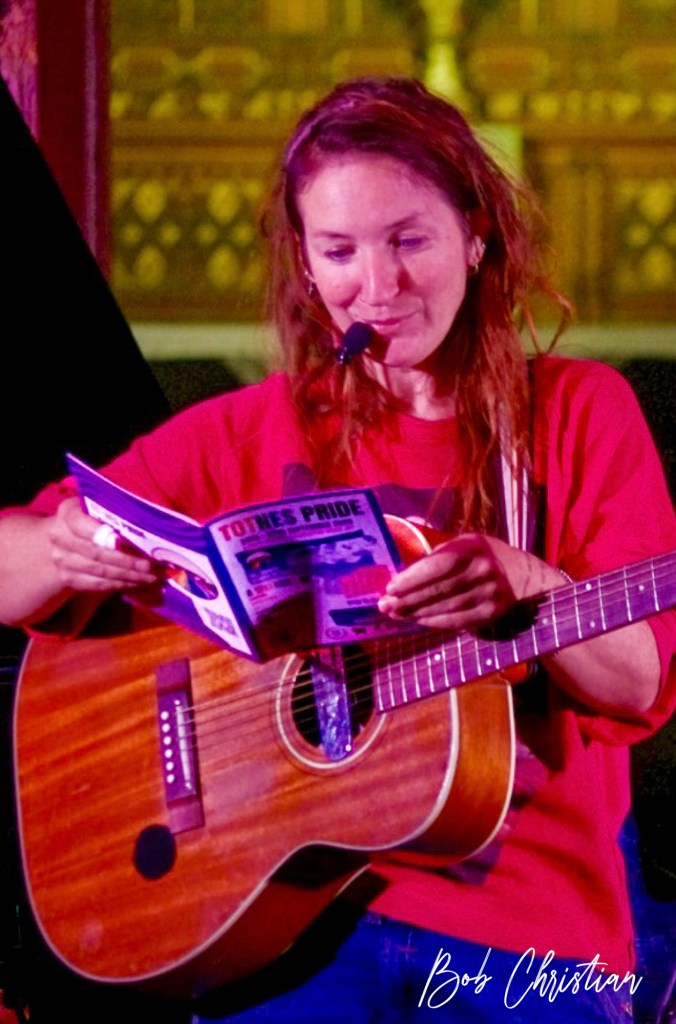
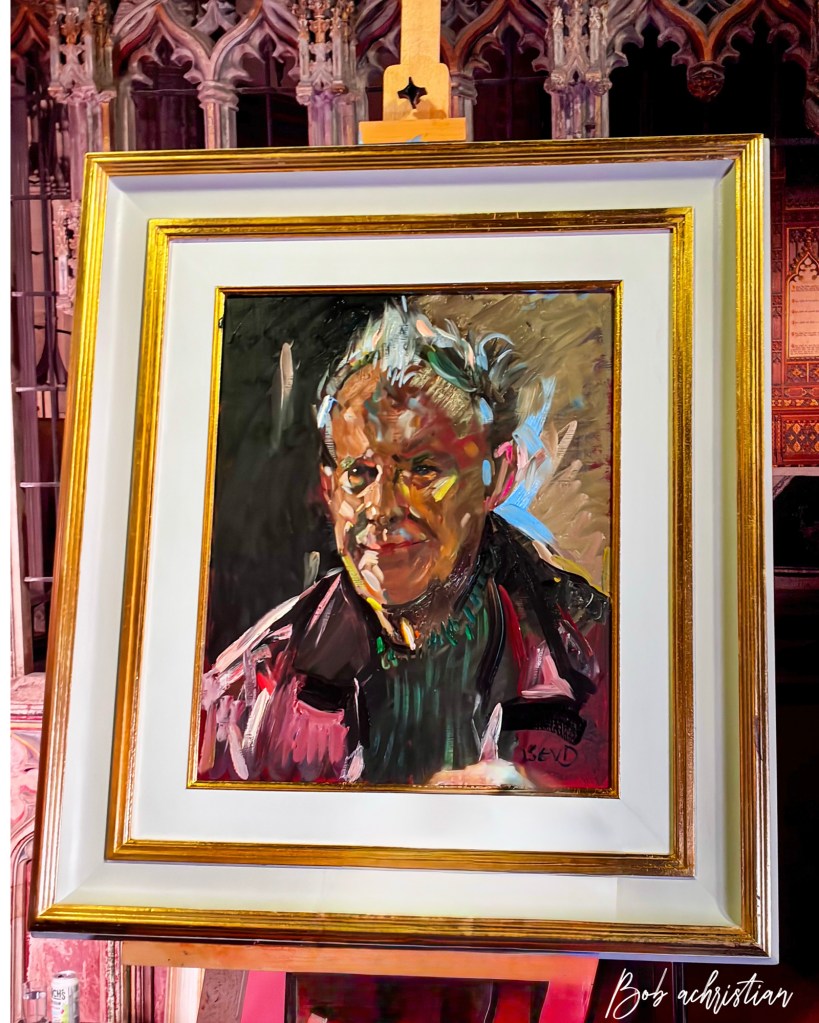
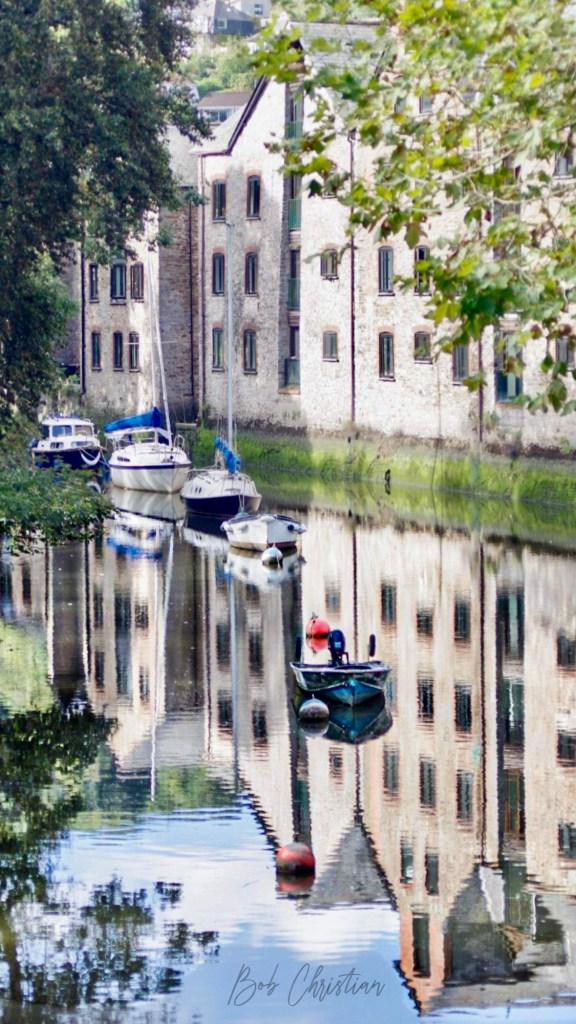
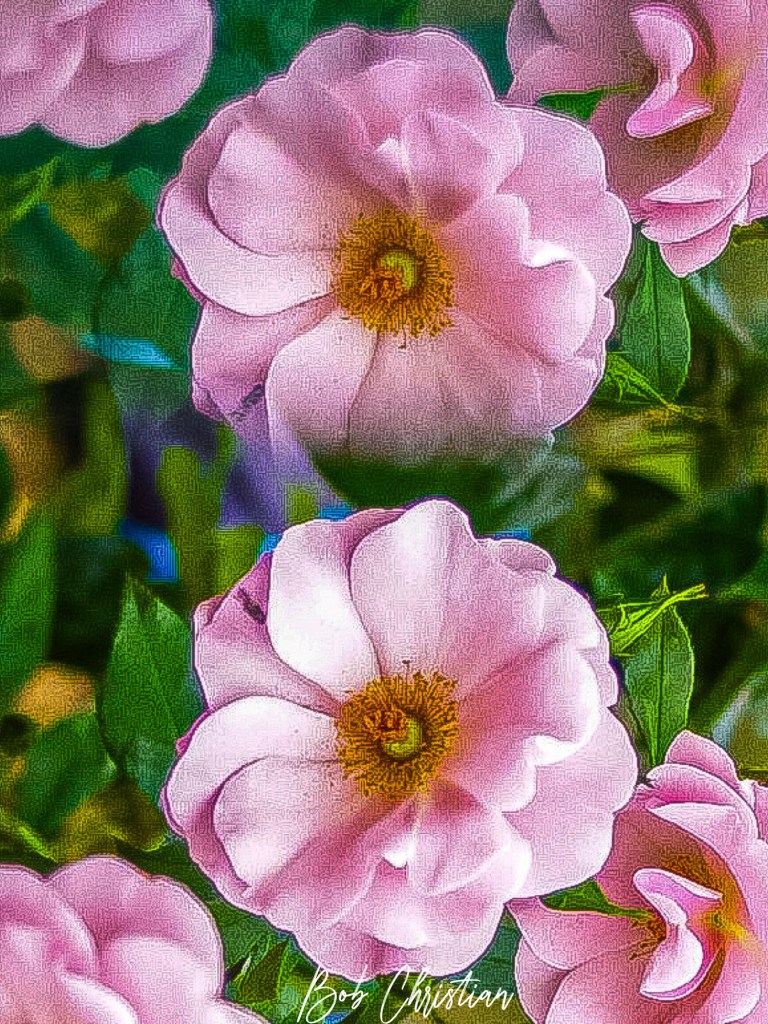
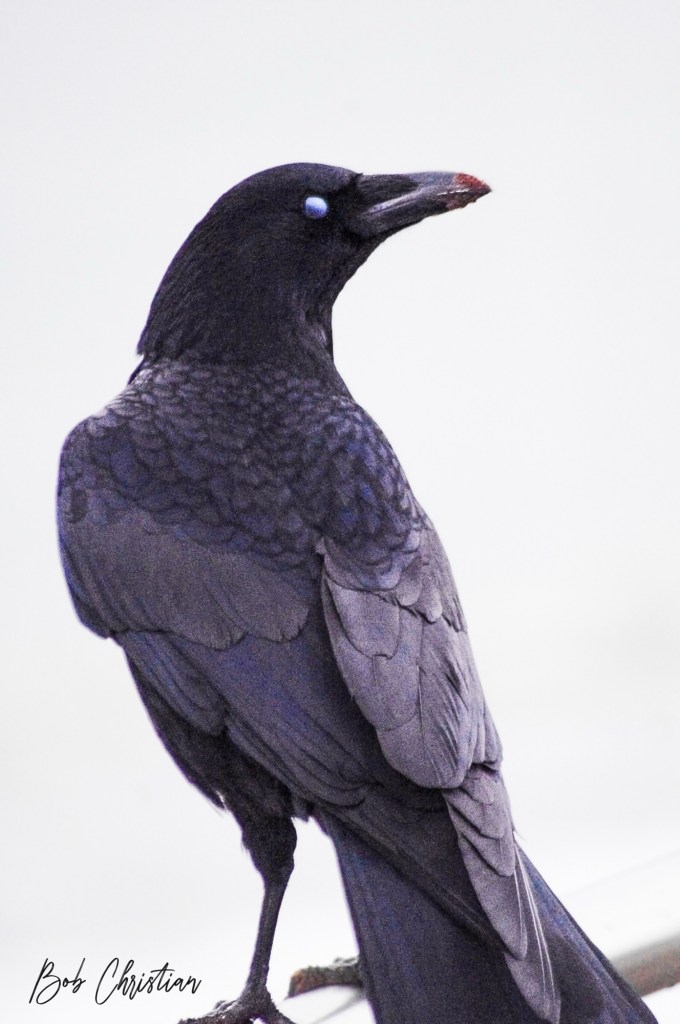
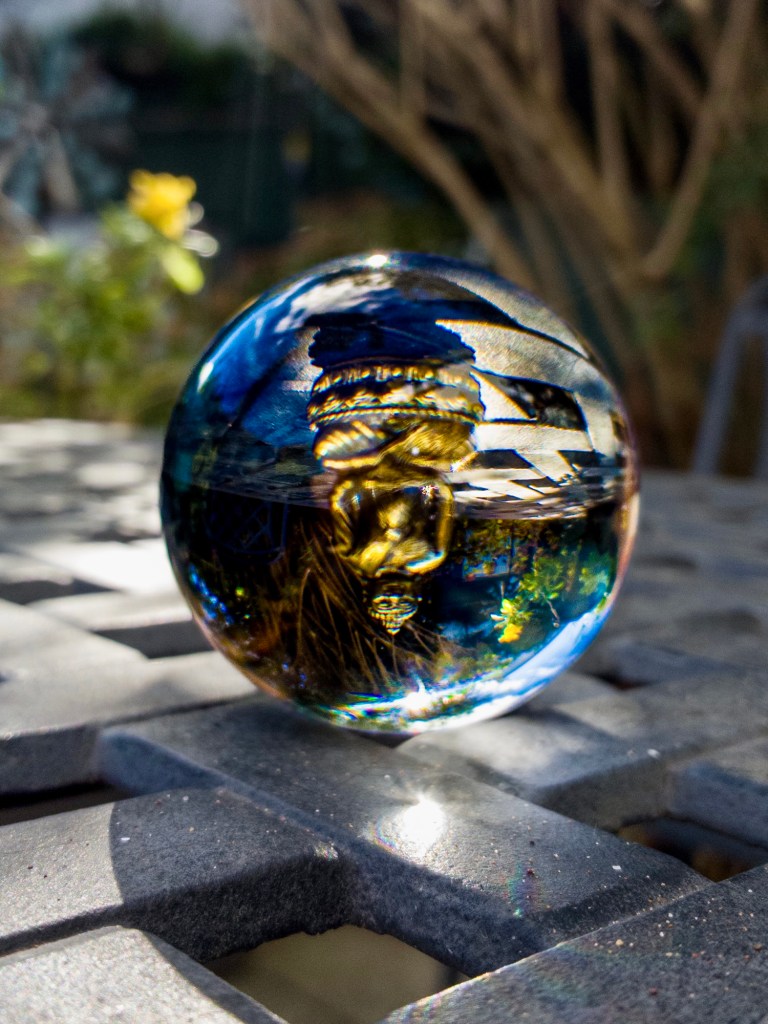
Totnes Castle (Totnes Times)Ruth Theodore Totnes Pride.Portrait of Howard Jones. (Sherree Valentine-Daines) The River Dart (Narnia) Roses (Mirror photography, DSLR)Raven (Paignton beach)
Which relationship has taught you the most about yourself?
Mrs Bob.
There really isn’t anyone else who comes close.
I suppose the obvious answer would be that she’s taught me about love.
And she has.
She’s taught me about patience.
Definitely that.
Although, to be fair, she’s probably had to teach me more about patience than most people would consider reasonable.
But the biggest thing Mrs Bob has taught me is actually about myself.
She’s allowed me to grow.
And, let’s be honest, she’s allowed me to mature into the person I am today.
I wasn’t a finished product when we met.
Far from it.
I was still figuring out who I was, what I wanted, and probably making far more mistakes than I’d care to admit.
Some of those mistakes were mine.
Some were lessons I simply hadn’t learned yet.
And some were things I didn’t even realise I needed to learn.
Mrs Bob never tried to turn me into somebody else.
She just gave me the space to become more myself.
And I think there’s a huge difference between those two things.
She’s the calm to my fire.
Where I can be passionate, impulsive, stubborn and occasionally a complete pain in the arse, she has this remarkable ability to bring me back down to earth.
Not by changing me.
Not by trying to silence me.
Just by being there.
Sometimes that’s all you need.
Someone who knows when to let you burn brightly…
And when to quietly remind you that perhaps setting fire to everything isn’t the best solution.
Over the years, she’s seen the versions of me that I’m proud of.
And the versions I’m not.
She’s seen the good days.
The bad days.
The days where I’ve been convinced I had everything figured out.
And the days where I quite clearly didn’t have a bloody clue.
And somehow, through all of that, she’s still here.
Still beside me.
Still encouraging me to grow.
Still putting up with me.
Which, frankly, deserves some sort of medal.
I often think we underestimate what it means to really know another person.
Not just knowing their favourite food or what makes them laugh.
But knowing their fears.
Their insecurities.
Their strengths.
Their weaknesses.
Knowing what they’re capable of, even when they don’t know themselves.
Mrs Bob has done that for me.
She’s helped me see parts of myself that I couldn’t see.
She’s encouraged me when I doubted myself.
She’s challenged me when I needed challenging.
And she’s given me the freedom to become the person I was supposed to be.
So, which relationship has taught me the most about myself?
That’s easy.
Mrs Bob.
Because I’m not the same man I was when we first met.
I’m calmer.
I’m more comfortable in my own skin.
I’ve learned that vulnerability isn’t weakness.
I’ve learned that asking for help doesn’t make you less of a man.
And I’ve learned that sometimes the person who helps you become yourself isn’t the person who tells you who to be.
It’s the person who stands beside you while you work it out.
I’m the person I am today because of a lot of people, a lot of experiences, a lot of mistakes and a ridiculous number of lessons.
But Mrs Bob?
She’s been there for the whole bloody journey.
And I wouldn’t want to have travelled it with anyone else.
If you could start a new business right now, what would it be?
If I’m being completely honest, the obvious answer would probably be photography.
I love photography.
It’s gone from being something I did with my phone, wandering around taking pictures of anything that caught my eye, to something I genuinely want to get better at.
Nature.
Birds.
Beaches.
People.
Events.
The occasional photograph that makes me stop and think, bloody hell, I actually took that.
I’ve even started doing photography work at events, and there’s something rather lovely about being able to turn something you enjoy into something people are willing to pay you for.
So yes.
If I was being sensible…
A photography business.
Easy.
Except…
I think I’d love to own a comic book shop.
Yep.
A comic book shop.
Because apparently being a bloke in his fifties who already has far too many hobbies, books and bits of geekery apparently isn’t enough.
I need premises.
And stock.
And shelves.
Lots and lots of shelves.
I’ve loved comics and graphic novels for years.
I’ve rambled before about how Watchmen was my first graphic novel and how that started a lifelong love affair with comic books.
And the more I think about it, the more I realise that owning a comic shop wouldn’t really be about selling comics.
Not entirely.
It would be about creating somewhere people actually want to go.
A proper little geeky Aladdin’s cave.
Comics.
Graphic novels.
Maybe some collectables.
Games.
A few bits of nostalgia.
Somewhere you could walk in looking for the latest issue of something and end up having a forty-minute conversation about Batman.
Or Transformers.
Or why the original Teenage Mutant Ninja Turtles were considerably better than they had any right to be.
Somewhere you could discover comics for the first time.
Somewhere adults could rediscover the things they loved when they were younger.
And somewhere people could simply geek out without having to explain themselves.
I think I’d like that.
There’s something quite appealing about having a little shop that feels like your place.
Not some huge corporate business.
Just a little independent shop, run by a bloke who probably knows far too much about fictional characters and not nearly enough about accounting.
So maybe photography is the sensible answer.
It’s something I’m passionate about.
Something I’m already doing.
Something I’m increasingly taking seriously.
But the comic shop?
That’s the one that makes me smile when I think about it.
And perhaps that tells me something.
Because sometimes the business you could build isn’t necessarily the business you’d love to build.
And if I ever do open one…
You’ll probably find me behind the counter with a camera around my neck, a comic in my hand, and absolutely no idea what I’m doing.
Which, if we’re being honest, is pretty much how I approach most things.
That makes them sound as though I’ve discovered some secret formula for life.
I haven’t.
If I had, I’d probably be considerably more organised.
And significantly less likely to walk into a room and immediately forget why the hell I went there.
But over the years, I’ve picked up a few little things that seem to make life slightly easier.
Nothing revolutionary.
No twelve-step morning routine involving seventeen different types of herbal tea.
Just a few things that seem to work for me.
Don’t Carry Everything (The Art of Letting Go)
This is probably the biggest one.
For a long time, I spent an incredible amount of energy carrying things that had already happened, you know.
Arguments.
Regrets.
Things people had said.
Things I wished I’d said.
Things I couldn’t change, no matter how many times I replayed them in my head.
Meditation has helped me with that.
Not by magically emptying my mind.
Anyone who knows me will understand how unlikely that sounds.
Instead, it’s taught me to notice my thoughts without automatically climbing aboard every single one of them.
Sometimes you just have to acknowledge something.
Learn whatever lesson there is to learn.
And then put the bloody thing down.
You don’t have to carry everything just because you once picked it up.
Some things belong in the past.
Leave them there.
Go outside
Another incredibly complicated life hack.
Leave the house.
Go for a walk.
Look at the sky.
Watch the birds.
Stand by the sea.
Get rained on.
Apparently, I’m particularly good at that last one.
There’s something about getting away from four walls and screens that resets the brain.
Sometimes the solution to a problem isn’t another hour staring at it.
Sometimes it’s a walk and a coffee.
Sometimes it’s feeding the crows.
Sometimes it’s standing in the sea with wet shorts and wondering why you thought that was a good idea in the first place.
And sometimes…
that’s enough.
We spend so much time trying to do things that we forget there’s value in simply being somewhere.
Outside.
Breathing.
Looking.
Listening.
Being present.
Write shit down
My brain has always been a noisy place.
So I write.
Sometimes it’s poetry.
Sometimes it’s complete nonsense.
Sometimes it’s a sentence that eventually becomes something.
And sometimes it’s simply a case of getting the thoughts out of my head and onto a piece of paper before they start having a bloody committee meeting in there.
There’s something strangely powerful about seeing a thought written down.
It becomes something outside of you.
You can look at it.
Question it.
Rearrange it.
Understand it.
Or decide that actually, it was rubbish…
…and throw it away.
Writing started for me as a way of processing thoughts and emotions.
Twenty years later, I’m still doing it.
Apparently, I’ve committed to the bit.
And I’m quite glad I did.
Protect you time
We live in a world that seems determined to fill every available second.
Notifications.
Messages.
News.
Social media.
Emails.
Opinions.
More opinions about the opinions.
Sometimes you need to switch the bloody lot off.
Read a book.
Play a game.
Sit in the shed.
Take photographs.
Write.
Watch the birds.
Drink a coffee.
Do absolutely nothing.
And yes, I know that doing nothing sounds like the sort of thing we’re all supposed to feel guilty about.
But doing nothing isn’t necessarily wasting time.
Sometimes doing nothing is exactly what your brain needs.
We don’t have to be productive every minute of every day.
Sometimes the most productive thing you can do is stop.
Fucking ask for help
This one took me far too long to learn.
I’ve still got the scars
I used to think asking for help meant
Not being able to “Man Up”
admitting weakness.
It doesn’t.
Sometimes it means recognising that you’re human.
We aren’t designed to carry everything alone.
If something is too heavy, put it down.
If you don’t know what to do, ask someone who does.
If you’re struggling, tell someone.
That isn’t failure.
It’s being sensible.
There’s a strange idea that we’re somehow supposed to have all the answers.
We’re not.
None of us do.
Sometimes strength isn’t about carrying something until your back breaks.
Sometimes strength is saying:
“I can’t carry this on my own.”
And letting somebody give you a hand.
Finally…
Don’t wait for everything to be perfect before you enjoy your life.
How do you write what people actually want to read?
It’s an interesting question.
And, if I’m being completely honest, I’m not entirely sure I do.
I don’t mean that to sound arrogant.
Quite the opposite.
I’m probably one of the least commercially minded writers you’re ever likely to meet.
I don’t sit down at my keyboard thinking:
Right, Bob. What will the internet like today?
What’s going to get the most clicks?
What’s going to go viral?
What will the algorithm be particularly fond of?
If I did, I’d probably have given up years ago.
The truth is, I started writing for a completely different reason.
I needed somewhere to put the stuff rattling around inside my head.
Twenty-odd years ago, my “poetry” was barely poetry at all.
I called them scribbles.
Still do, actually.
They were thoughts, emotions, anger, fear, confusion and occasionally a bit of hope, thrown onto paper because keeping everything inside clearly wasn’t working terribly well.
Writing became a form of therapy.
The scribbles eventually became poems.
The poems eventually became books.
And somehow, along the way, people started reading them.
Which still amazes me.
Because I never really set out to become a poet.
I certainly didn’t start writing because I thought:
One day, thousands of people might read this.
I was just trying to make sense of myself.
And perhaps that’s the answer to the question.
Maybe you don’t write what people want to read.
Maybe you write what you need to say.
And then you hope that somewhere out there, somebody needs to hear it.
That’s certainly how I approach this blog.
Some days I’ll write about mental health.
Some days it might be something completely ridiculous.
Photography.
A walk.
A memory.
A book.
A film.
Something that made me laugh.
Something that pissed me off.
Something that made me stop and think.
And occasionally, for reasons known only to the universe, I’ll write about bloody crows.
There isn’t necessarily a grand content strategy behind it.
It’s just me.
Rambling.
Hence the name.
And yes, I’m aware that there are probably people who read something I’ve written and think:
What the hell was that bloke going on about?
Fair question.
I’ve asked myself the same thing.
But here’s the thing.
I don’t normally write poetry, scribbles, or these ramblings because I want to be liked.
I don’t write them because I want everyone to agree with me.
And I certainly don’t write them because I expect everyone to enjoy them.
I write because it helps.
It helps me process things.
It helps me understand what I’m thinking.
Sometimes it helps me put a name to an emotion I couldn’t quite identify before.
And sometimes, putting something down on paper means I can stop carrying it around in my head.
That’s why the mental health side of my writing has always mattered so much to me.
There have been times when writing wasn’t just a creative outlet.
It was part of keeping my head above water.
Poetry gave me a way of taking all that internal noise and turning it into something I could actually look at.
Something I could shape.
Something I could eventually put down.
And then something rather lovely happened.
Other people started saying:
“I understand that.”
Or:
“I’ve felt like that.”
Or:
“Thank you for writing this.”
And that’s when you realise that something you wrote purely to help yourself can sometimes become useful to somebody else.
That, to me, is the magic bit.
Not the numbers.
Not the views.
Not the likes.
Not whether something gets shared fifty times on Facebook.
Although, obviously, if you do want to share it fifty times, I won’t complain.
I’m not completely bloody stupid.
But that isn’t why I write.
If somebody reads something I’ve written and gets something from it, brilliant.
If somebody laughs, even better.
If somebody sees themselves in one of my poems and realises they aren’t quite as alone as they thought they were, then bloody hell…
That’s worth more than any number on a screen.
So, how do you write what people actually want to read?
I honestly don’t know.
I suspect there are people far cleverer than me who can explain algorithms, audience engagement, SEO, demographics and all the other mysterious machinery that apparently makes the internet go round.
Me?
I just write.
I write what interests me.
I write what bothers me.
I write what makes me laugh.
I write what hurts.
I write what I’m trying to understand.
And sometimes I write complete and utter nonsense because my brain has apparently decided that’s what we’re doing today.
And if people want to read it?
Well…
That’s a happy little accident.
(Bob Ross would approve.)
The funny thing is, though, perhaps the best writing isn’t created by trying desperately to please an audience.
Perhaps it comes from being honest enough to say the thing you actually wanted to say.
Because somewhere, there might be someone who needed those exact words.
I never expected my scribbles to become twenty years of poetry, six books, guest publications and all the other amazing things that have happened along the way.
I certainly didn’t have a five-year plan.
I had a pen.
A head full of noise.
And a desperate need to get some of it out.
Everything else has been a happy little accident.
And I think I’m quite happy keeping it that way.
So I’ll carry on rambling.
I’ll carry on scribbling.
I’ll carry on taking photographs.
I’ll carry on writing about mental health, life, love, the ridiculousness of being human, and whatever else wanders into my head.
If you enjoy it, thank you.
If something I write helps you, even better.
And if you don’t like it…
Well, there are plenty of other blogs on the internet.
No hard feelings.
I’ll still be here tomorrow.
Probably writing something nobody asked for.
And quite possibly enjoying myself immensely while I do it.
What’s the most spontaneous thing you’ve ever done?
Packing two cats and what was left of my house into a car and driving nearly 300 miles to go and live with someone I’d only known for a few months.
Completely sensible behaviour.
Obviously.
In hindsight, I suppose there were a few warning signs.
For starters, I was leaving behind pretty much everything I knew.
Home.
Friends.
Familiar places.
The life I’d built.
And replacing it with a car full of belongings, two probably very confused cats, and a woman I’d known for a few months.
What could possibly go wrong?
To be fair, the cats probably had the biggest adjustment.
They hadn’t exactly been consulted on the matter.
I imagine their conversation went something like:
“Why are we in the car?”
“Where are we going?”
“Why has he packed the litter tray?”
“IS THIS A VET?”
And then several hours of feline outrage.
Meanwhile, I was driving nearly 300 miles towards an entirely new chapter of my life.
I’d met Mrs Bob only a few months earlier.
And somehow, somewhere between those early conversations and whatever bizarre sequence of events brought us to that particular day, I’d reached the point where I thought:
“Yeah.
This seems like a good idea.”
So I loaded up the car.
Cats.
Stuff.
Whatever possessions had survived the previous chapter.
And off I went.
Towards Narnia.
Which, for those who don’t know, is what I affectionately call this part of the world.
Although technically it’s twinned with Totnes.
Which is probably about as close to Narnia as Devon is going to get.
There’s something slightly terrifying about starting again.
We tend to imagine big life changes as these carefully planned things.
You know the sort of thing.
Step one:
Make a five-year plan.
Step two:
Research everything.
Step three:
Make a spreadsheet.
Step four:
Have another meeting about the spreadsheet.
Step five:
Eventually do something.
I apparently skipped steps one through four.
I just got in the bloody car.
And yet…
It turned out to be the best decision I’ve ever made.
The following year, we got married.
And somehow that spontaneous decision turned into more than a decade together.
A marriage.
A family.
A home.
A completely different life.
And eventually, a new career.
There have been ups and downs, obviously.
Life isn’t a Disney film.
There are bills.
There are arguments.
There are days when you wonder why you’ve spent twenty minutes trying to explain to a cat that the cardboard box isn’t actually a suitable substitute for the perfectly good cat bed sitting six inches away.
But that’s life.
It’s messy.
It’s unpredictable.
And occasionally it involves putting everything you own into a car and driving 300 miles because you have a feeling that maybe, just maybe, you’re heading in the right direction.
Looking back now, I sometimes wonder what would have happened if I’d stayed where I was.
What if I’d talked myself out of it?
What if I’d decided it was too risky?
What if I’d waited until everything was perfect?
I probably wouldn’t be sitting here now.
I wouldn’t have Mrs Bob.
I wouldn’t have this life.
I wouldn’t be wandering around Devon with a camera, photographing birds, beaches, cats and whatever else happens to catch my eye.
I wouldn’t have written all the poetry.
I wouldn’t have met all the people I’ve met.
And I certainly wouldn’t be sitting here calling this place Narnia.
Sometimes we spend so much time worrying about making the right decision that we forget something rather important.
There isn’t always a right decision.
Sometimes you just have to make a decision.
Take the leap.
See what happens.
And occasionally, against all odds, it works out rather bloody brilliantly.
So, what’s the most spontaneous thing I’ve ever done?
I packed two cats and what was left of my house into a car.
I drove nearly 300 miles.
I went to live with a woman I’d known for a few months.
And I started a completely new life.
Spoiler alert:
We got married the following year.
And after more than a decade together, I can honestly say that moving in with Mrs Bob and starting that new life and career in Narnia was the best decision I’ve ever made.
Sometimes the biggest adventures don’t begin with a plan.
Sometimes they begin with a full boot, two pissed-off cats and a very questionable sat-nav route.
What’s the best advice you’d give to someone younger than you?
Don’t worry if, in your twenties, you don’t know where you’re going.
Honestly.
Most of us are making it up as we go along.
There seems to be this unwritten expectation that by a certain age you’re supposed to have everything worked out. A career. A five-year plan. A purpose. A clear idea of who you are and where you’re heading.
Life rarely works like that.
When we’re young, we somehow expect ourselves to have all the answers despite the fact we’ve barely had time to collect the questions.
It’s your first time being alive.
Be kind to yourself.
I didn’t know who I truly was, or what I wanted my life to look like, until I was nearly forty. Looking back, I spent far too much time worrying that I was behind everyone else.
The truth?
Nobody knows what they’re doing quite as much as they pretend to.
And that’s okay.
Because life isn’t really about the final destination anyway.
It’s about the journey.
It’s about the people you meet along the way.
The late-night conversations.
The road trips.
The laughter that leaves your face aching.
The memories you make with friends and family.
Years later, you won’t remember every deadline, every promotion, or everything you thought was a disaster at the time.
You’ll remember the people.
You’ll remember how they made you feel.
You’ll remember the moments.
Another thing I’d tell my younger self is this:
Learn to love yourself.
Not in an arrogant way.
Not in a “look at me” sort of way.
Just learn to be comfortable in your own skin.
Because once you stop trying to be who you think everyone else wants you to be, and start accepting who you actually are, something wonderful happens.
You can breathe.
You stop fighting yourself.
And that feeling is worth more than you can imagine.
I’d also tell you to let go of grudges.
They’re heavy things to carry.
The person who upset you years ago is probably not sitting at home replaying the argument.
Meanwhile, you’re giving them space in your head they haven’t earned.
They don’t deserve to live rent free in there.
Forgiveness isn’t always about them.
Sometimes it’s about freeing yourself.
So be patient.
Be kinder to yourself than you think you need to be.
Take photographs.
Make memories.
Tell people you love them.
Don’t panic if the map isn’t clear.
Most of us are finding the path one step at a time.
And sometimes the scenic route turns out to be the best one.
You know the sort. You go to the opticians, sit in the chair while someone shines various bits of machinery into your eyes, reads out letters that get progressively smaller, and eventually tells you that your eyesight is apparently not quite as good as you thought it was.
Except…
Mine are a little bit different.
One lens is Plano.
In other words, completely plain. No prescription. Nothing.
The other one had a very, very small prescription in it.
And I mean tiny.
So tiny, in fact, that I’ve now outgrown the prescription altogether.
Technically, I don’t need the glasses anymore.
But I still wear them.
Why?
Because they are my Clarke Kent glasses.
Yes.
Really.
Those of you who know me will already know that I’m a massive comic book nerd, so perhaps this shouldn’t come as much of a surprise.
But there’s actually a bit more to it than that.
You see, glasses can create a little physical barrier between me and the world.
Not a huge one.
Nobody looking at me would think, “Blimey, that bloke has constructed a defensive perimeter around himself.”
But they do something.
Much like sunglasses do.
For years, I’ve found sunglasses useful in social situations because they make eye contact easier. They create that tiny bit of separation between me and the person I’m talking to.
I can still see them.
I can still listen.
I can still have the conversation.
But somehow, having something between their eyes and mine makes me feel a little less exposed.
A little less vulnerable.
And that can make a surprisingly big difference.
The problem with sunglasses, of course, is that they’re not exactly practical all the time.
At night?
Not really.
In a dark room?
Probably not.
When it’s raining and the sky looks like it’s personally offended by the existence of daylight?
Definitely not.
And wearing sunglasses indoors can occasionally result in people wondering whether I’m about to perform at a nightclub rather than attend a perfectly ordinary meeting.
So these glasses fill the gap.
They look like normal glasses.
Because, well, they are.
Nobody needs to know that one lens is doing absolutely nothing and the other one is basically on permanent holiday.
They give me that little barrier without making the world around me darker.
And when I’m nervous, particularly if I’m standing on a stage or speaking in front of people, they help.
Stage fright is an odd thing.
You can know exactly what you want to say.
You can have prepared.
You can know that the people in front of you aren’t actually waiting for you to fail.
And yet your brain can still decide:
“Excellent. This is the moment we panic.”
Having my glasses on gives me something.
A tiny bit of confidence.
A little shield.
Perhaps even a psychological costume.
Which brings me back to Clarke Kent.
Because Superman has always fascinated me.
Not simply because he can fly, lift cars and apparently survive being thrown through buildings.
It’s the idea of the alter ego.
Clark Kent puts on a pair of glasses and suddenly he’s just an ordinary bloke.
Nobody looks twice.
Nobody expects him to save the world.
And while I’m certainly not claiming that my glasses give me superpowers
They help me feel like I’m wearing my social armour.
They give me a little bit of distance.
A little bit of protection.
And sometimes, that’s all you need.
I think we all have things like that.
Little routines.
Objects.
Clothes.
Jewellery.
Music.
Something we carry with us that makes the difficult things feel slightly easier.
They might look completely insignificant to somebody else.
But they aren’t insignificant to us.
For me, apparently, it’s a pair of slightly ridiculous glasses with one lens that doesn’t need a prescription and another that doesn’t need one anymore.
To everyone else, they’re just glasses.
To me?
They’re my Clarke Kent glasses.
And sometimes, even when you don’t need a prescription, you still need the glasses.
The sit in your pyjamas with a bowl of cereal while your parents repeatedly tell you to do something useful Transformers.
You see, I’m an old man.
Well…
Gen X.
Which is basically what happens when you leave a child from the 1980s unattended for long enough.
I remember the original series.
Optimus Prime.
Megatron.
Bumblebee.
Starscream.
Soundwave.
The Dinobots.
And that glorious moment when a robot transformed into something completely ridiculous and somehow nobody questioned the physics of it.
Because why would they?
It was a cartoon.
And it was brilliant.
The original series arrived in 1984, alongside the Hasbro and Takara toy lines, and for a generation of kids it became much more than something to watch on a Saturday morning.
It became part of childhood.
There were the toys.
The comics.
The stickers.
And yes…
I had the toys.
I had the stickers.
I probably spent far too much of my pocket money trying to get the ones I was missing.
There was even the Panini sticker album.
256 stickers.
Which sounds perfectly reasonable.
Until you’re a kid and you’re staring at your album with three bloody stickers left to find.
Then the maths changes.
Suddenly 256 seems like an unnecessarily cruel number.
You’d go through your pile.
“Got.”
“Got.”
“Got.”
“Need.”
And then you’d swap with your mates.
Or try to.
Because there was always that one kid who somehow had about fourteen of the sticker you needed.
And absolutely no intention of giving you one.
If you know, you know.
And then there was the VHS.
Google it.
I’ll wait.
For younger readers, VHS was basically YouTube, Netflix and Disney+ rolled into one.
Except you had to physically rewind it.
And if someone forgot?
Well…
You’d find out pretty quickly when you put it in and the bloody thing started halfway through an episode.
And I still have all of mine.
Which probably says something about my inability to throw anything away.
But that’s the thing about Transformers.
When I think about them now, I don’t just remember robots fighting robots.
I remember being a kid.
I remember Saturday mornings.
I remember cereal.
I remember sitting far too close to the television.
I remember that feeling when the theme tune started and you knew you were about to disappear into another world.
For twenty minutes, the rest of the world didn’t matter.
Back then, we didn’t have endless streaming services.
There wasn’t a catalogue containing practically every television programme ever made sitting in your pocket.
If you missed something…
You missed it.
Unless you were lucky enough to have recorded it.
And if you had?
You guarded that VHS tape like it contained the nuclear launch codes.
There was something wonderfully simple about it all.
Good guys.
Bad guys.
Robots.
Cars.
Spaceships.
Dinosaurs.
And a giant transforming robot called Optimus Prime who somehow managed to be incredibly cool while also being strangely reassuring.
Looking back, though, I don’t think Transformers was ever really just about the characters.
It was about what they represented.
Childhood.
Freedom.
Imagination.
That little bit of magic we seem to lose somewhere between being a kid and becoming an adult.
Because that’s the funny thing about growing older.
The toys get packed away.
The sticker albums disappear into cupboards.
The VHS tapes gather dust.
And life carries on.
Work.
Bills.
Responsibilities.
Emails.
Appointments.
All that grown-up nonsense.
Then, completely unexpectedly, you hear a piece of music.
Or see an old toy.
Or find something buried in a box.
And suddenly…
You’re eight years old again.
Sitting on the carpet.
Bowl of cereal beside you.
Pyjamas on.
No responsibilities.
No bills.
No emails.
No bloody grown-up nonsense.
Just Saturday morning.
And for twenty minutes, everything is alright.
I suppose that’s why nostalgia can be such a powerful thing.
We’re not necessarily missing the cartoon.
We’re missing the person we were when we watched it.
The version of ourselves who could be completely absorbed by something as simple as a cartoon about alien robots.
Before life became complicated.
Before we learned that sometimes people leave.
Before we discovered that adults don’t actually have all the answers.
Before we started worrying about mortgages, pensions, politics and whether we’ve remembered to put the bloody bins out.
Back then, Optimus Prime had the answers.
Well…
Most of the time.
So, who is my favourite cartoon character?
Transformers.
Not because they were the greatest cartoons ever made.
Not because the animation was perfect.
And certainly not because every storyline made sense.
It didn’t.
Not even remotely.
But because they were part of my childhood.
And sometimes that’s more important.
Because when something can survive forty-odd years of technological progress, adulthood, responsibilities and everything else life throws at you…
And still make you smile?
That’s more than just a cartoon.
That’s a memory.
And perhaps that’s what was really hiding underneath all those robots, cars and explosions.